First Time in Japan: 12 Mistakes Travellers Make and How to Avoid Them
Planning your first trip to Japan? Many travellers make the same mistakes, from underestimating transport costs to misunderstanding local etiquette. This guide explains what first-time visitors should know before arriving, helping you avoid common problems and enjoy a smoother trip across Japan.
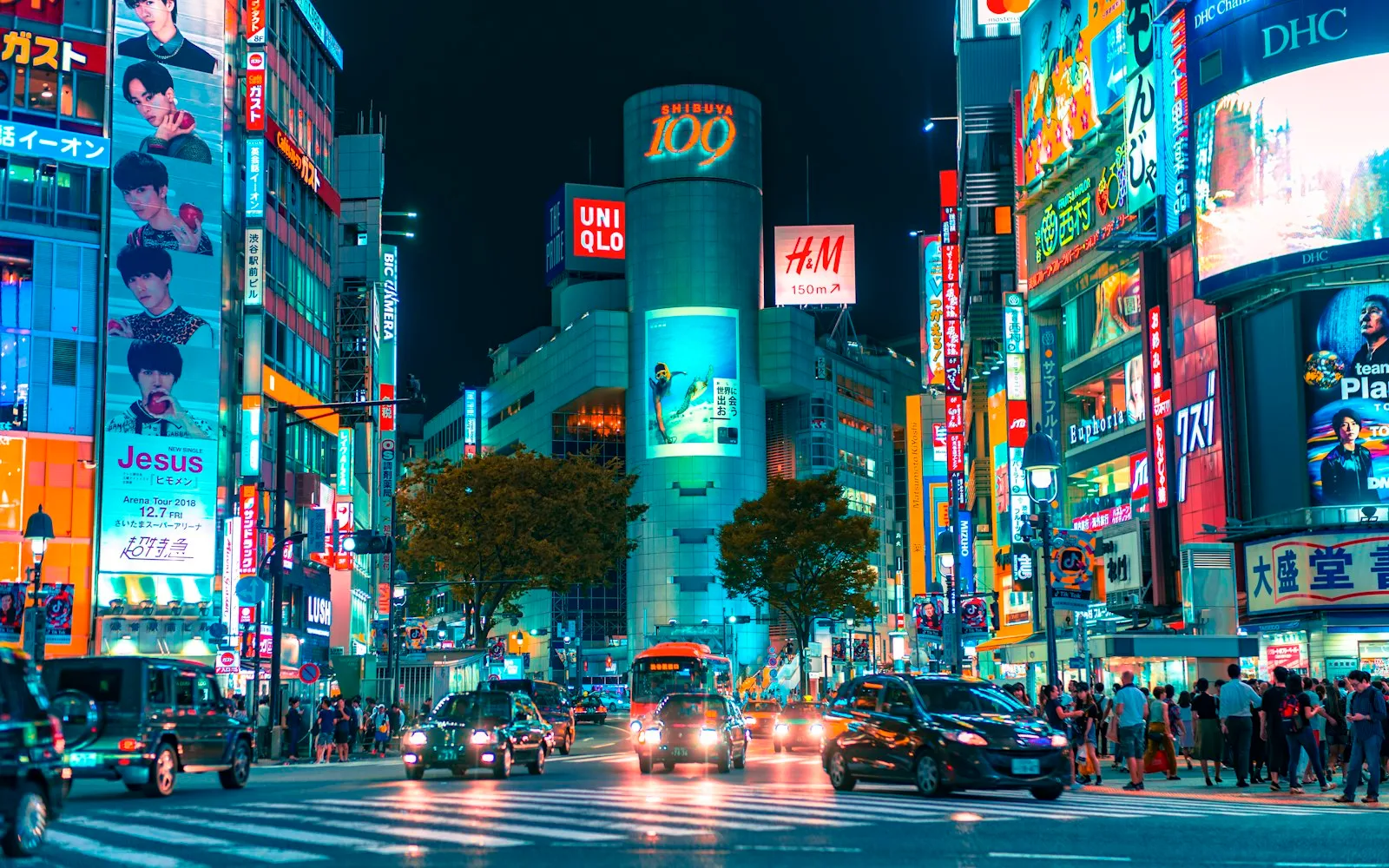
Most travel guides about Japan focus on attractions, itineraries and famous landmarks. The reality is that first-time visitors often face practical challenges long before they reach Tokyo Tower or Kyoto's temples. Japan is one of the easiest countries to travel around, but it also has its own rules, habits and expectations. Understanding a few key differences before arrival can save time, money and unnecessary stress. This guide highlights the mistakes that first-time travellers make most often and explains how to avoid them.
Assuming Tokyo Represents All of Japan
Many visitors spend their entire trip in Tokyo and leave believing they have seen Japan. Tokyo is extraordinary, but it is only one part of the country. Osaka, Kyoto, Hiroshima, Kanazawa and Fukuoka offer completely different experiences. Even small regional towns often provide a more relaxed and authentic view of daily life.
Underestimating Travel Distances
Japan looks compact on a map, but travelling between regions can take longer than expected. Moving from Tokyo to Hokkaido or Okinawa is not a simple day trip. Before building an itinerary, check travel times carefully and avoid trying to see too much in a short visit.
Booking Accommodation Too Late
Japan receives millions of international visitors every year. Popular destinations such as Kyoto often become expensive during cherry blossom season, Golden Week and autumn foliage periods. Booking early usually provides better prices and more options.
Ignoring Local Etiquette
Visitors are not expected to know every cultural rule, but basic etiquette matters. Simple habits such as speaking quietly on public transport, respecting queues and following local instructions can make a significant difference.
Relying Only on Cash or Only on Cards
Japan has modern payment systems, but some smaller businesses still prefer cash. Travellers should carry a combination of payment methods rather than depending entirely on one option.
Packing Too Much
Japan's public transport system is excellent, but moving large suitcases through busy stations can quickly become exhausting. Many experienced visitors pack lighter than they would for a similar trip elsewhere.
Missing the Last Train
In major cities, trains are often the easiest way to get around. However, many first-time travellers are surprised by how expensive late-night taxi journeys can be after the final train departs.
Expecting Everyone to Speak English
English support has improved considerably, especially in tourist areas. Even so, learning a few basic Japanese phrases and using translation apps can make travel easier and more enjoyable.
Forgetting Seasonal Differences
Japan changes dramatically throughout the year. Summer can be extremely hot and humid, winter conditions vary greatly between regions and spring travel coincides with some of the busiest tourist periods.
Treating Japan Like a Checklist
Some travellers attempt to visit Tokyo, Kyoto, Osaka, Nara, Hiroshima and Mount Fuji within a few days. A slower pace often leads to a far better experience.
Final Thoughts
Japan rewards preparation more than almost any other destination. Travellers who understand transport systems, seasonal conditions and local customs usually find the country remarkably easy to explore. Instead of trying to see everything, focus on building a realistic itinerary and leave room for unexpected discoveries. Many visitors arrive expecting efficiency and technology but leave remembering the small everyday moments that made their trip special.
More guides for Japan
All guides →
Frequently asked questions
Is Japan a good destination for first-time international travellers?
Yes. Japan is generally safe, organised and easy to navigate, making it a popular choice for first-time international travellers.
How many days should I spend in Japan?
Most visitors find that 10 to 14 days allows enough time to explore multiple regions without rushing.
What is the biggest mistake first-time visitors make?
Trying to visit too many cities in a short period is one of the most common mistakes.
Is Japan expensive to visit?
Costs vary depending on accommodation, season and travel style, but careful planning can significantly reduce expenses.
When is the best time to visit Japan?
Spring and autumn are particularly popular because of comfortable weather and seasonal scenery.