Japan for first-time travellers
Entry, money, trains and manners: a first-timer’s step-by-step plan for Japan, re-checked against official sources in August 2026.
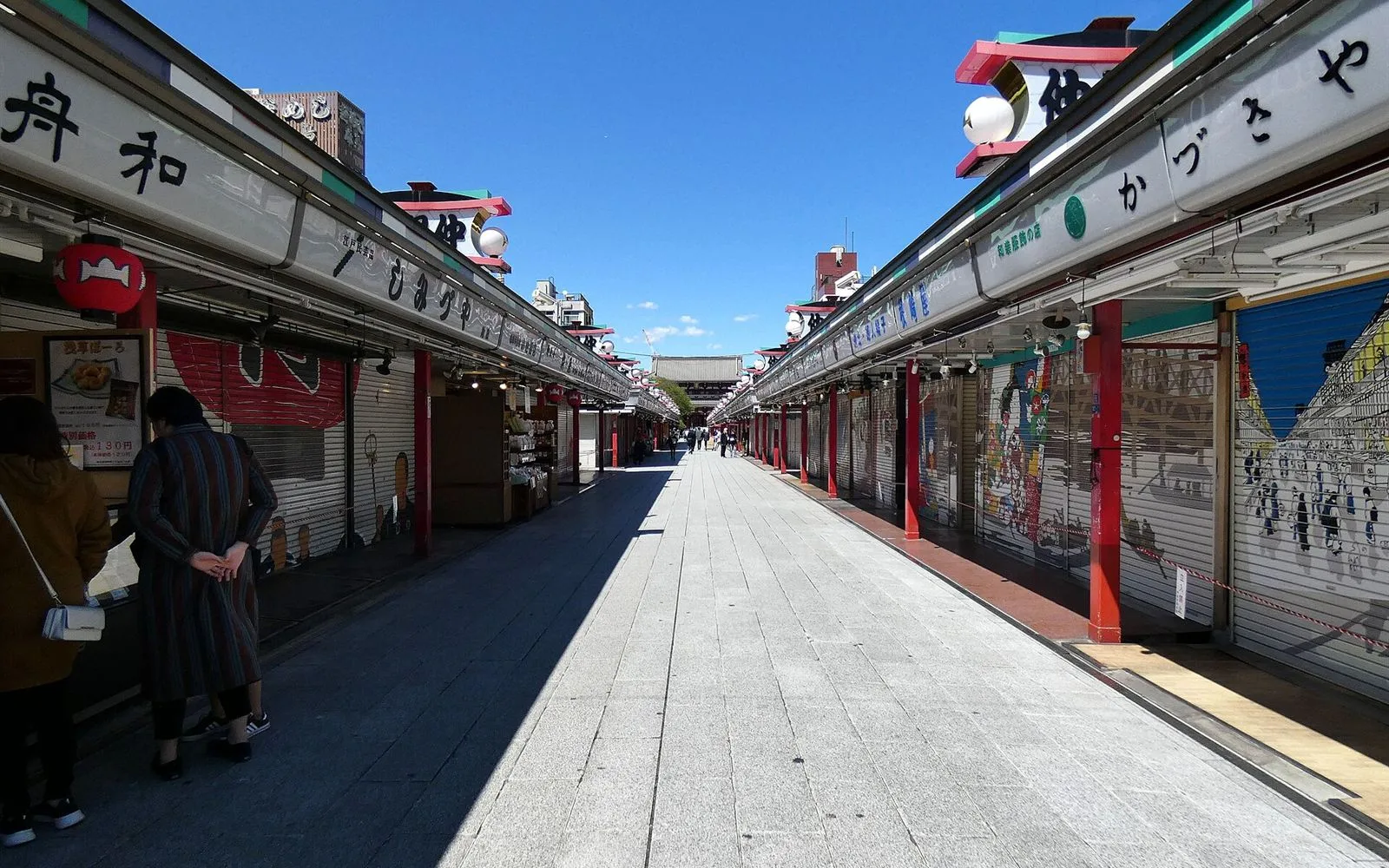
You can overthink Japan, or you can arrive with one simple thing: a plan. This guide is that plan — the entry basics, how money actually works these days, when the Japan Rail Pass is (and is not) worth it, and the handful of customs that quietly trip first-timers up. Every fact here was re-checked in August 2026, and where numbers move we point you to the official source rather than guess.
Visa rules vary by passport and change over time. Before you book anything, confirm your own situation on the Japanese Ministry of Foreign Affairs (MOFA) visa page — linked at the bottom of this guide.
Entry in fifteen minutes
Visa-free, for most people
Japan has reciprocal visa-exemption arrangements with 74 countries and regions. For most Western passports — the United States, Canada, Australia, New Zealand, the UK and the EU — that means visa-free entry for up to 90 days. A smaller number of nationalities get shorter windows (Thailand and Indonesia, for example, are granted 15 days), so the only reliable move is to check your own passport against the MOFA list.
If your nationality is not on the list, you apply for a single-entry short-stay tourist visa before travelling. An online eVISA already covers applicants in a growing list of countries, which simplifies the whole process.
The arrival paperwork
- Visit Japan Web: optional but smart. Fill in immigration and customs details online before you land, then scan the QR at the airport instead of scribbling on paper forms.
- Passport valid for your entire stay — airlines commonly enforce six months of remaining validity, so renew early if you’re close.
- A return or onward ticket. Immigration can and does ask; have the booking in your phone, not just a screenshot.
- Proof of funds is rarely demanded for visa-free entries, but a card with decent headroom plus some cash answers any question in seconds.
Visa-free entry is for tourism, business meetings, conferences and visiting friends or family. You may not work — including remotely — and you may not earn income in Japan on a visa-free stay.
Money: cards, cash and IC cards
The old “Japan is cash-only” advice is simply outdated. In Tokyo, Osaka and Kyoto you can pay by card nearly everywhere — convenience stores, taxis, and most restaurants. The caveat is real, though: small towns, temple stalls and family-run eateries still expect cash, so you need a small stash for those.
IC cards are your daily money
A Suica or Pasmo card pays for trains and buses, and also quick-buys konbini snacks, drinks from vending machines, station lockers and some chain shops. Untimed (anonymous) card sales, suspended during the chip shortage a few years ago, are back on sale again. If you’d rather not buy a card at all, Welcome Suica — a 28-day tourist card — or Suica inside your phone via Apple Pay or Google Wallet both work across the network.
Cash and ATMs
- Convenience-store ATMs (Seven Bank and Lawson) accept foreign cards, show English on screen, and sit on almost every corner — they are your cash machine.
- Carry enough yen for a day or two rather than a fortnight’s budget. A few thousand yen in your pocket is the sweet spot.
- Exchange at airport counters or simply withdraw from a konbini ATM. Airport exchange kiosks usually give noticeably poorer rates.
- Small towns eat cash: shrine stalls, rural grocery runs and the occasional old-school restaurant will all want notes.
| Venue | Cards | IC card | Cash expected |
|---|---|---|---|
| Chain konbini / 7-Eleven | Yes | Yes | No |
| Major restaurants and cafés | Yes | Sometimes | Rarely |
| Small ramen counters and izakayas | Often | Sometimes | Often |
| Temple stalls and markets | No | No | Yes |
| Rural buses and small-town shops | Sometimes | Yes | Yes |
Never “exchange money on the street” in Japan — there’s no such culture. Konbini ATMs give you the official rate with a small fee, which is the whole story.
The rail question: is the Japan Rail Pass worth it?
The headline: the Japan Rail Pass pays for itself only when you cover serious distance in a short window — think Tokyo to Kyoto to Hiroshima and back in a week — and even then the fastest Nozomi Shinkansen are not included. For a single-city or single-region trip you will almost certainly save money by paying as you go with your IC card.
| Duration | Adult (ordinary) | Child (6–11) |
|---|---|---|
| 7 days | ¥50,000 | ¥25,000 |
| 14 days | ¥80,000 | ¥40,000 |
| 21 days | ¥100,000 | ¥50,000 |
If you buy it, buy it right
- Buy from the official JAPAN RAIL PASS Reservation site (prices stay favourable online and you can reserve seats before you fly) or from an authorised agency, who hand you an exchange order valid for three months.
- Set your start date when you pick the pass up — you can choose any date within a month of exchange.
- At stations with passport-reading ticket machines (Tokyo, Shinagawa, Ueno and more) you can collect an online-reserved pass without queuing at the ticket office.
- Reserve a Shinkansen seat for long runs. Luggage space is limited and reserved seats remove all the scrambling.
For shorter or single-region trips, look at the regional passes — JR East Pass, Hokuriku Arch Pass and friends cover a smaller area for far less money — and run the numbers for your actual route before committing to anything.
Day-to-day manners that make everything smoother
- No tipping. Ever. Rounding up a café bill is fine; leaving a tip will only delight or confuse.
- Shoes off wherever you meet tatami or a step-up entry: ryokan, traditional restaurants and most people’s homes.
- Trains are quiet cultures. Don’t take calls, keep your phone silent, and you’ll fit right in.
- Walk on the left in Tokyo (in Osaka, the right), and follow the crowd on station stairs — you can’t go wrong.
- Onsen: shower thoroughly and rinse before you enter the bath, and never soak with your towel. Tattoos remain a grey area at traditional bathhouses — ask politely or seek a “tattoo-friendly” sento.
- Bins are rare in public spaces: pocket your rubbish until you find one, and return food trays at konbini counters.
Everyone gets something slightly wrong at first — it’s normal. A small bow and an apologetic smile resolve it. Japan is genuinely forgiving of foreigners who try.
The classic first-timer mistakes
- Trying to do Osaka + Kyoto + Nara + Hiroshima in five days and spending them on trains. Pick a region and go deep instead.
- Buying a Japan Rail Pass “just in case” without running the numbers for your actual route.
- Carrying zero cash, then discovering the noodle counter takes notes only.
- Leaving no room in the day for the mundane joys: a konbini egg sandwich, a park at dusk, an izakaya you wandered into
- Lugging a full suitcase through Kyoto’s back streets. Coin lockers at stations and luggage forwarding (takkyubin) let your bag follow you hotel-to-hotel while you travel light.
- Skipping the bathhouse ritual. A soak in a neighbourhood sento costs a few hundred yen and is often the best hour of the day.
Official sources
More guides for Japan
All guides →
Frequently asked questions
Do I need a visa for Japan?
Most Western passports enter visa-free for up to 90 days; Japan has reciprocal exemptions with 74 countries and regions. A few nationalities get 15 or 30 days, and some can extend longer under bilateral agreements. Confirm your own passport on the MOFA visa page before booking.
Is Japan cashless now?
Largely, in the cities: cards and IC cards (Suica/Pasmo) cover most of daily life. Keep meaningful cash for small towns, temple stalls and the occasional cash-only family restaurant.
Is the Japan Rail Pass still worth it?
Only for long-distance, short-window itineraries such as Tokyo–Kyoto–Hiroshima and back in a week — and even then you must check that Nozomi exclusions don’t matter to you. For a one-region trip, paying as you go with an IC card is usually cheaper.
Can I use Suica from my phone?
Yes — mobile Suica on Apple Pay or Google Wallet works across the network and recharges with a foreign card. Just check your phone is compatible before you rely on it.
Is Visit Japan Web mandatory?
No. It’s optional but recommended — it turns the arrival process into a QR scan instead of a paper form. You can always fill the forms at the airport if you skip it.
Is tipping required?
No. Tipping is not part of Japanese culture and service staff do not expect it. A warm “arigatou gozaimasu” is the politest way to say thanks.