Morocco with kids: a practical plan
A parent’s working plan for Morocco: the right riad, the right transfers, the food that keeps kids happy — and the pacing that saves the trip.
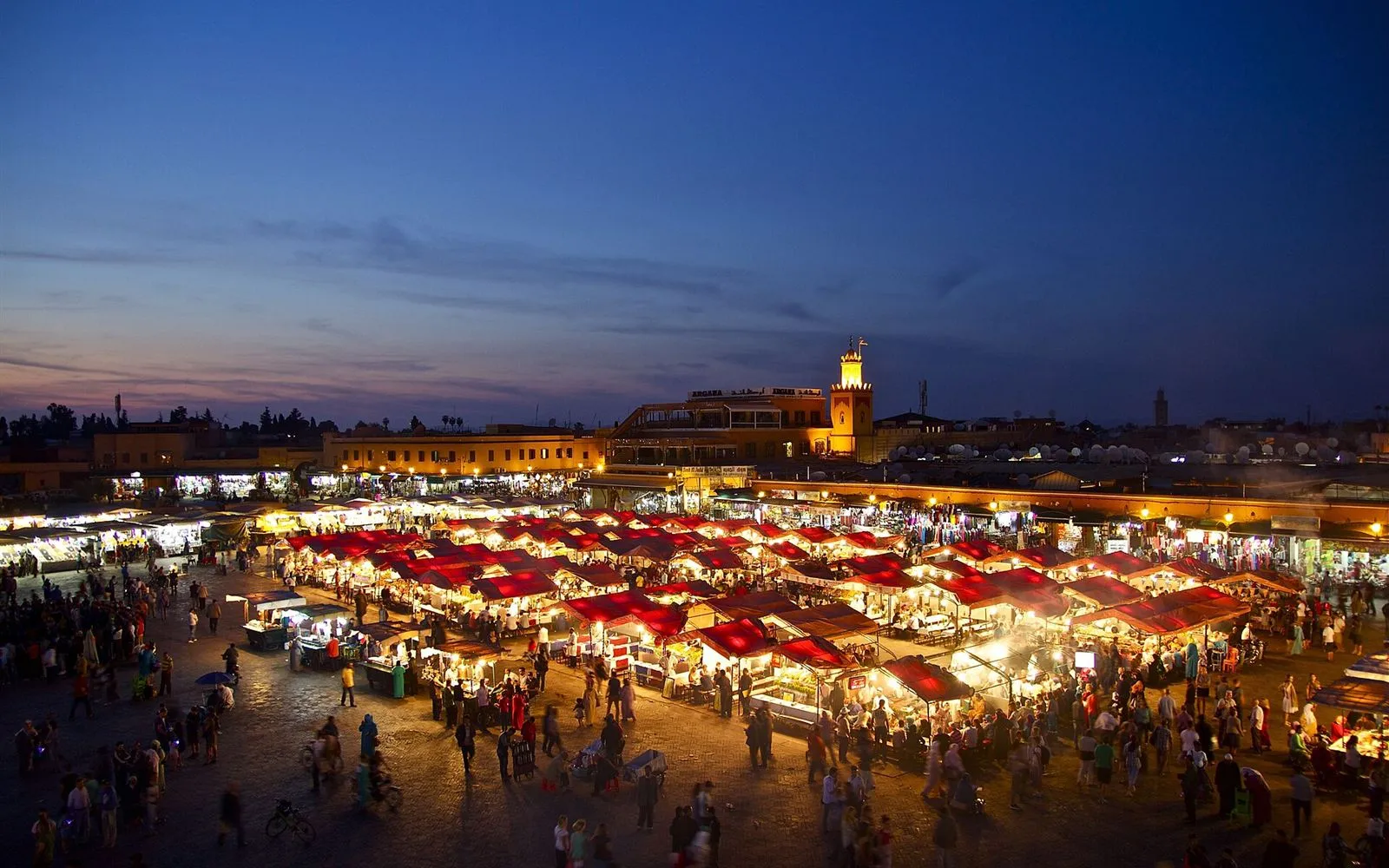
Ask any parent who has travelled Morocco twice and they’ll say the same thing: the country adores children, and the difficulty is never welcome — it’s pace. Medinas punish over-planning, toddlers punish medinas, and the combination crushes exhausted parents by day three. This guide is built around what families actually need: a contained place to stay, door-to-door transport, food strategies, and a daily rhythm everyone can keep. Entry rules and rail times were re-checked against official sources in August 2026.
Entry: the family paperwork
Who’s visa-free
Morocco is visa-free for 90 days for most Western passports — the EU, United States, Canada, UK, Australia and New Zealand among them. Two family-specific notes matter more than people expect: children need their own passport (or a clear listing in a parent’s), and European national identity cards are not accepted at Moroccan border control — everyone travels on the full passport.
If your passport isn’t on the list
- Some nationalities travel on an e-visa, and Morocco is also rolling out an electronic entry authorisation (AEVM) for a growing group of visa-free countries. Rules here have drifted more than most forums admit, so check acces-maroc.ma and the nearest Moroccan embassy for your passport.
- Stays up to 90 days don’t need anything special beyond a valid passport. Extending beyond that requires applying to the police’s Service des étrangers at least 15 days before expiry.
- Do not overstay: it means fines and can complicate future entries — an easy mistake to avoid by simply booking flights inside the 90 days.
Don’t copy your friend’s country’s rules. Morocco’s entry system is shifting (AEVM and e-visa both exist now), so confirm your nationality on an official page, not a travel forum.
Where to stay: choosing your family base
You’ll hear “stay in a riad” and “stay in a hotel” — and both are right, for different families.
A riad in the old city (the charm option)
- Pros: a courtyard everyone can hang out in, a rooftop for breakfast, and staff who quietly solve logistics — transfers, guides, dinner tables.
- Consider before booking: interior stairs everywhere (great for older kids, hard with a pram or crawler), the medina at night is an adventure best enjoyed with older children, and “pool” usually means a small plunge type, often unheated.
- Ask in advance for a ground-floor room and a crib, and have the riad arrange your airport pickup itself.
A hotel or beach resort (the easy option)
Agadir, Essaouira and the coast deliver proper heated pools, kids’ clubs and buffets — genuinely worth it if the trip’s goal is “a holiday” rather than “an immersion.” Marrakech and Fes remain a day’s adventure from the coast, so match the base to the energy you’ll actually have.
A recurring family trick: start with a calm riad in the old city for structure, and finish at a coast resort for actual rest. You arrive with adventure and leave with battery recharged.
Moving the family around smoothly
- Transfers: always pre-book, and let the riad do it. Arriving at the medina door at midnight having already paid your driver is priceless.
- Al Boraq high-speed train (Tangier–Casablanca, roughly two hours) is genuinely family-friendly — clean, fast, comfortable, and a highlight in itself.
- Classic ONCF trains link Casablanca with Fes and Marrakech well; first class buys the extra space that makes toddlers tolerable on a long leg.
- Private drivers for door-to-door city hops (Marrakech à Essaouira, Fes à Chefchaouen): agree the complete price in advance, and ask the booking side for a working car seat.
- Driving yourselves: possible, but Moroccan city traffic is a different skill — plan any self-drive legs for daylight, or hand them to a driver.
Car seats: the law requires them, hire fleets often have them, but “requested” ≠ “present.” If your child still needs one, bring your own or have the provider photograph it in the car before you agree.
Eating well, staying well
- Food: tagines, couscous (the Friday centrepiece) and bread everywhere mean kids almost always find favourites fast. “Spicy on the side” reliably lands a milder plate.
- Drink: bottled water only — including tooth brushing for little ones. Fresh-squeezed orange juice is practically a national sport; just drink it where it looks busy and clean.
- Safety basics: hand gel for post-market fingers, hydration and sunscreen in summer. Pharmacies (pharmacies) are everywhere and well stocked — the pharmacist is your first stop for most kid-sized problems.
- Beyond the pharmacy: private clinics in Marrakech, Casablanca and Fes are capable and used to visitors. Travel insurance with medical cover is the difference between a smooth situation and a stressful one.
- Mint tea is everywhere and mildly caffeinated — a lovely evening ritual, just maybe not the under-fives’ before bedtime.
The culture cheat-sheet (and the pacing rule)
Moroccans genuinely adore kids. Strangers will greet, coo over, and sometimes hand sweets to your children — which can be disarming if you weren’t expecting it. Lean in: it’s the easiest icebreaker in the country.
- Dress lightly modest — shoulders and knees covered for everyone reads as respect and suits the climate just as well.
- Bargaining is a game with kid appeal. Decide your number and a friendly walk-away; most shopkeepers enjoy the exchange more than the sale.
- Pace: one or two big sights a day, full stop. The medina is the experience — hire an official (blue-badge) guide for a half day so you actually see Fes or Marrakech without the navigation anxiety.
- Strollers vs medinas: every third pavement is a staircase. A baby carrier outrides a pram in a souq, every time.
- “La shukran” (no thanks) with a smile ends any pushy “welcome-to-my-shop” conversation politely and fast — and costs far less than the confused tour it prevents.
Official sources
More guides for Morocco
All guides →
Frequently asked questions
Is Morocco safe with kids?
Yes — it’s among the most family-welcoming countries on earth. The realistic challenges are practical rather than dangerous: heat, stairs, pacing, and water, all of which are manageable with the right base and plan.
Do children need their own passports?
Yes. Everyone, including babies, travels on their own passport for Morocco — and European national ID cards are not accepted for anyone, even EU citizens.
What is the AEVM electronic authorisation?
Morocco is progressively rolling out an electronic entry authorisation for some visa-free nationalities and an e-visa for others. Most Western passports still enter visa-free for 90 days, but check acces-maroc.ma and the nearest embassy for your nationality, because the picture is shifting.
Is the high-speed train good with kids?
Yes — the Al Boraq TGV is clean, fast and comfortable, and the roughly two-hour Tangier–Casablanca run is a highlight in itself. Book first-class for extra space and check the ONCF site for family/child fares.
Where is the smoothest stay for little walkers?
Ask any riad for a ground-floor room close to the courtyard — stairs are the enemy. For babies in particular, a heated-pool resort on the coast is the lower-stress base; save the medina riad for older kids.
Can we eat the local food as a family?
Absolutely — it’s one of the joys of Morocco. The single rule that matters: bottled water, and “spicy on the side” unless you’ve asked. Busy daytime stalls are generally fine; use your judgement for the very young.