ThimphuCapital
Bhutan · Country profile
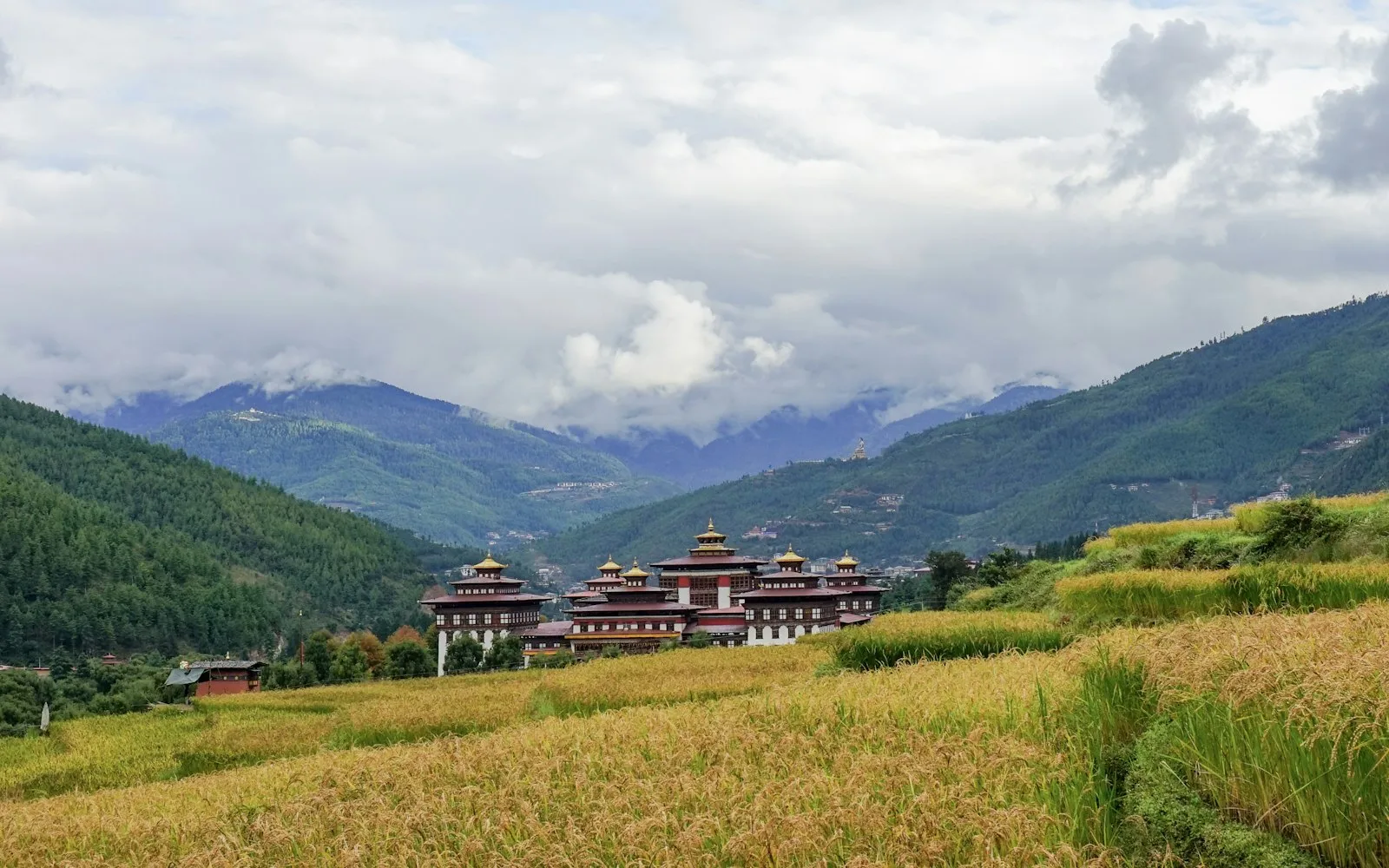
Thimphu is the unique, tradition-guarded capital of Bhutan, the charming mountain capital of the eastern Himalayas that spreads its low-rise timber and painted houses, its dzong, its temples and its orderly national streets along the valley of the Thimphu river, beneath the enormous forested and terraced peaks of the kingdom. The capital of the country since the mid twentieth century, when the king made the valley town the seat of the government, it is one of the most unusual capitals of the world, a city without the traffic lights that preserves the dress, the architecture, the faith and the gentle ceremonies of the kingdom, and operates under the celebrated philosophy of the gross national happiness. The great dzong of the capital, the monastery and the parliament buildings, the national memorial chorten, the artisan schools and the weekend market of the town anchor the essential visits, while the stupas, the monasteries and the mountain villages of the surrounding valleys give the deep frame of the kingdom. Calm, beautiful and profoundly spiritual, Thimphu is the rare capital that guards the soul of its nation.
About Thimphu
Thimphu is the capital of Bhutan. The city's documented population is around 115,000 people. For visitors from abroad, the local currency is the Bhutanese Ngultrum (BTN) and Dzongkha is spoken; the dialling code is +975.
The Dzong of the Capital and the Crenellations of the Fortress
Thimphu is a compact, valley capital where the essential circuit moves between the great dzong, the memorial chorten and the market streets, with the viewpoints of the hills and the monasteries anchoring the days. The enormous dzong with its white walls and its painted fretwork, the national memorial chorten with its day-long pilgrims, and the impressive weekend market of the town where the farmers of the valleys bring their produce and their handicrafts anchor the essential visits, while the national institutes, from the traditional arts school to the stamp and the textile museums, carry the cultural life. The overlooks of the surrounding hills, the monasteries of the near valley and the trails of the peaks fill the excursions beyond the town, and the whole capital moves with the calm, snow-fed rhythm of the high Himalayan kingdom.
The Chorten of the Memorial and the Pilgrims of the Day
The climate of the capital is the high Himalayan temperate, with the warm, rainy summer, the crisp, golden autumn, the cold, snowy-white winter and the brilliant, blooming spring of the valley, with the clear air and the snow peaks of the altitude framing the whole year. The ngultrum, at par with the rupee, is the currency, with the Dzongkha the national language and the English widely used in the capital. The dzong, the chorten and the market make the core visits, and the internal routes of the kingdom, the valleys, the monasteries and the high mountain passes of the region, lie within the guidance and the organized journeys of the country. Layered clothing for the seasons, modest, non-casual dress and sturdy shoes complete the essentials of the high capital.
The Market of the Weekend and the Arts of the School
The great dzong of the capital, the enormous fortress-monastery of the white walls, the golden roofs and the painted galleries that houses the government secretariat, the throne room and the monastic body of the kingdom, is the monumental heart of national and the religious life of Bhutan, its great ceremonial courtyards and its ramparts framing the whole of the valley, and the evening lowering of the flag and the closing of the dzong gates the daily rite of the capital. The national memorial chorten of the town, the gleaming white stupa with the golden spire built in memory of the third king, is the beloved prayer centre of the capital where the elderly of the town walk the kora through the day, while the weekend market of the highlands, with the farmers, the produce, the incense, the cheeses and the woven textiles of the valleys, carries the communal commerce of the town. The arts and crafts school of the kingdom, where the students study the thirteen traditional arts, the textile and the stamp museums of the town, and the ritual dances and the festivals of the valley, complete the essential, deeply spiritual circuit of the remarkable mountain capital.
Report an error or suggest an update
- Country
- Bhutan
- Population
- 115,000
- Capital
- Thimphu
- Region
- Asia
- Currency
- Bhutanese Ngultrum (BTN)
- Languages
- Dzongkha
- Calling code
- +975
- Country code
- BT
Entry requirements for Bhutan
Visa status for travellers from common origins visiting Bhutan for tourism.

Frequently asked questions
Is Thimphu the capital of Bhutan?
Yes — Thimphu is the capital of Bhutan.
What currency do I need in Thimphu?
The local currency is the Bhutanese Ngultrum (BTN). Languages spoken in Bhutan include Dzongkha.
What is the dialling code for Bhutan?
The international dialling code for Bhutan is +975.
Do I need a visa to visit Bhutan?
It depends on your passport. For the origins we track, the current tourism visa status is Morocco (e-visa). Check the entry requirements tool for your own nationality.
Flying out of Thimphu? Check the entry requirements for your destination in our entry requirements tool before you fly.