Porto
Portugal · Country profile
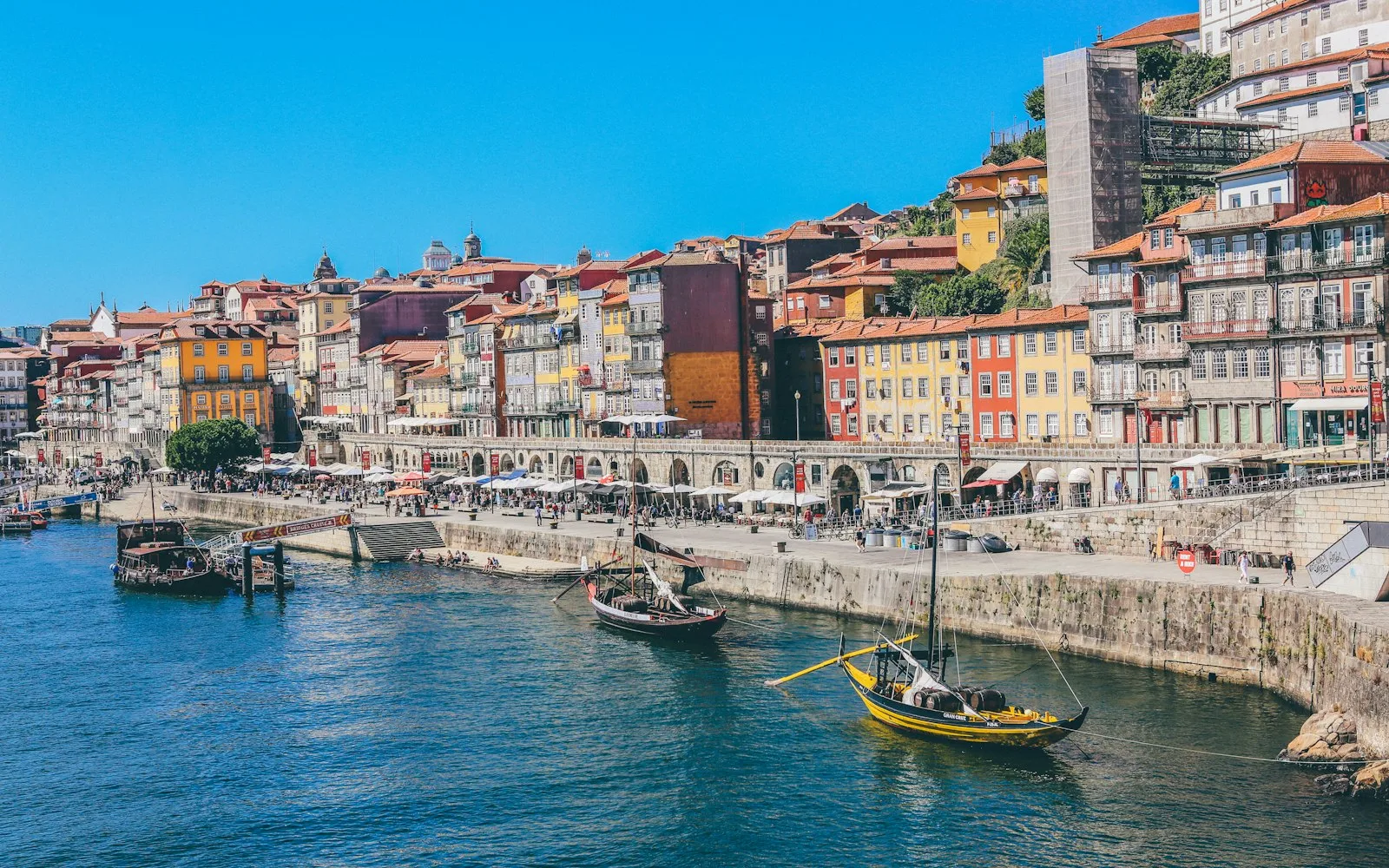
Porto is the second city of Portugal and the great northern port of the country, a handsome, hilly city of the granite, the tile and the river that gave its name to the famous fortified wine of the Douro. The historic centre, a world heritage, climbs its steep lanes and its stairways from the riverside, with its cathedral, its tower and its tiled churches crowding the old streets, and the port houses of the Vila Nova de Gaia across the river hold the cellars of the wine. The city is a working port with a young, vibrant cultural life, its universities, its galleries and its famously friendly, hard-working people filling the lanes and the cafes. Atmospheric, photogenic and wonderfully unpolished, Porto is the most characterful of the Portuguese cities.
About Porto
Porto is a city in Portugal. The city's documented population is around 240,000 people. For visitors from abroad, the local currency is the Euro (EUR) and Portuguese is spoken; the dialling code is +351. It is served by 1 airport in our guide: Francisco Sá Carneiro Airport.
The Ribeira, the Cathedral and the Tiles of the Hills
Porto is a steep, tiled, deeply atmospheric city built on the granite of its hills and the commerce of its river. The historic centre, the riverside and the port houses across the water hold the classic circuit, while the working districts of the city carry the young, lively energy of its universities and its start-ups. It is a city of great beauty that does not show it off, and the tiled facades, the narrow lanes and the views over the Douro give it an unforgettable, slightly rough-hewn charm. The wine of the region, the famous fortified port, is the essential tasting, and the food of the city, from the francesinha to the fresh fish of the coast, is the great local pleasure.
The Port Cellars, the Layers and the Mild Months of the Year
The best seasons are the spring and the autumn, mild and golden; the summer is hot, the winter is wet and the whole year is changeable, so the layers matter. The historic centre and the riverside are walkable, and the funicular and the historic tram of the city climb the hills. The famous port lodges across the river run the tastings and the cellar tours, and the cathedral, the tower and the tiled sanctuaries are the essential landmarks. The euro is the currency and the cards are universal. The city is compact and safe, the coffee is taken long at the counter, and the famous hospitality of the portuenses is part of the experience.
The Views of the Monastery, the Tram and the Bookshop of the Stairs
The historic centre of the city, with the cathedral, the bishop’s palace and the tiled churches of the old lanes, is the essential walk, and the views from the monastery terrace and the high viewpoints of the city over the river and the sea are the classic panoramas. The port houses of the Vila Nova de Gaia, across the river from the old centre, run the tastings and the cellars with the views back over the city. The riverfront of the Ribeira with its cafes and its boats is the great evening stroll, and the metro of the city connects the centre to the coast and the airport. The markets and the shops of the city, from the bookshop of the famous staircase to the tiled palaces, fill out the cultural picture.
Report an error or suggest an update
- Country
- Portugal
- Population
- 240,000
- Coordinates
- 41.2481, -8.6814
- Capital
- Lisbon
- Region
- Europe
- Currency
- Euro (EUR)
- Languages
- Portuguese
- Calling code
- +351
- Country code
- PT
Entry requirements for Portugal
Visa status for travellers from common origins visiting Portugal for tourism.

Getting to Porto
Airports we list for Porto:
Other airports in the area:
Cities in Portugal
Other cities we cover in Portugal:
Frequently asked questions
Is Porto the capital of Portugal?
No — the capital of Portugal is Lisbon.
What currency do I need in Porto?
The local currency is the Euro (EUR). Languages spoken in Portugal include Portuguese.
What is the dialling code for Portugal?
The international dialling code for Portugal is +351.
Which airport should I fly into for Porto?
Francisco Sá Carneiro Airport (OPO) is the airport we list for Porto.
How far is Porto from the nearest airport?
Porto is about 278 km from Humberto Delgado Airport.
Do I need a visa to visit Portugal?
It depends on your passport. Among the origins we track, travellers from Albania, Andorra, Antigua and Barbuda and Argentina currently enter Portugal visa-free for tourism. Use the entry requirements tool to check your own nationality and purpose of travel.
Flying out of Porto? Check the entry requirements for your destination in our entry requirements tool before you fly.