Port-au-PrinceCapital
Haiti · Country profile
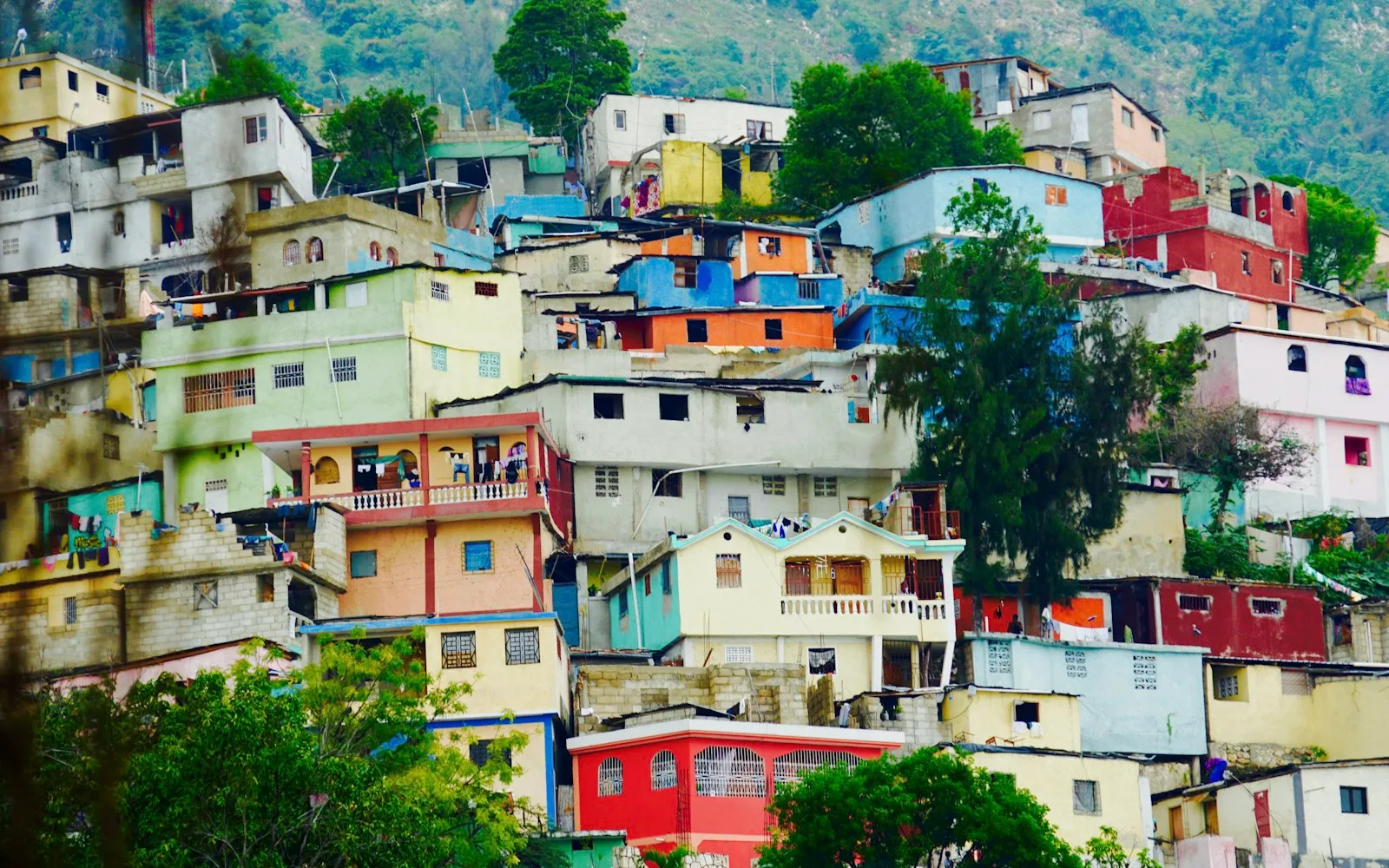
Port-au-Prince is the crowded, resilient capital of Haiti, the teeming port city of the Caribbean that spreads across the deep horseshoe of its bay between the blue mountains and the sea, on the southern coast of the western half of the island of the Hispaniola. Founded by the French in the eighteenth century as the capital of the richest colony of the Americas, the city that survived the revolution, the earthquakes and the rolling crises of the nation remains the overwhelming centre of the republic, its dense quarters, its markets, its monuments and its art-filled streets running the enormous daily life of the whole country. The iron market of the city, the cathedral and the national palace, the museums of the art and the craft lanes anchor the essential visits, while the streets fill with the tap-tap buses, the vendors and the vivid, inventive energy of the Haitian people. Overwhelmed, beautiful and endlessly creative, Port-au-Prince is the beating heart of the first republic of the African world.
About Port-au-Prince
Port-au-Prince is the capital of Haiti. The city's documented population is around 1,275,000 people. For visitors from abroad, the local currency is the Haitian Gourde (HTG) and Haitian Creole and French are spoken; the dialling code is +509.
The Iron Market and the Gingerbread of the Old Town
Port-au-Prince is a dense, intense capital where the essential circuit moves between the iron market of the city, the museums of the national art and the historic monuments that survived the great earthquake, with the crafts and the murals of the hills running the creative life of the town. The tap-taps and the moto-taxis of the thoroughfares, the galleries of the emerging artists and the murals of the streets give the city its unique, explosive creativity, while the viewpoints of the hills and the beaches of the coast lie beyond the crowded centre. It is a demanding, endlessly fascinating capital, best experienced with local guidance and a clear focus on the art, the music and the living culture of the Haitian people.
The Art of the Painters and the Tap-Tap of the Streets
The climate of the capital is hot and tropical, with the warm, wet season and the risk of the hurricanes of the summer and the autumn, and the slightly drier, cooler winter months the most pleasant of the year. The gourde is the currency, with the French and the Haitian Creole the two languages of the city. The iron market, the museums and the craft district make the core circuit, and the guidance and the security of a reputable local partner are essential in the capital. Light cotton clothes, cash for the markets and a resilient, patient attitude complete the realistic preparation for the struggles and the beauties of the city.
The Palace and the Cathedral of the Republic
The iron market of the city, the extraordinary maze of the red iron arcades and the stalls that fills the centre of the capital, is the great bazaar of Haiti, its lanes crammed with the vodou flags, the oil paintings, the woven baskets and the crafts of the whole country. The gingerbread houses of the capital, the intricate lace-like wooden villas of the turn of the century that survived the great earthquake in the historic district of the town, preserve the elegant architectural heritage of the old city, and the national art galleries gather the celebrated paintings of the Haiti naive school of the artist class. The tap-tap buses of the capital, the wildly painted shared trucks of the city that carry the murals and the proverbs of the people across the town, and the beaches and the iron markets of the coast, give the vivid, resilient, astonishingly creative face of the Caribbean republic.
Report an error or suggest an update
- Country
- Haiti
- Population
- 1,275,000
- Capital
- Port-au-Prince
- Region
- North America
- Currency
- Haitian Gourde (HTG)
- Languages
- Haitian Creole, French
- Calling code
- +509
- Country code
- HT
Frequently asked questions
Is Port-au-Prince the capital of Haiti?
Yes — Port-au-Prince is the capital of Haiti.
What currency do I need in Port-au-Prince?
The local currency is the Haitian Gourde (HTG). Languages spoken in Haiti include Haitian Creole and French.
What is the dialling code for Haiti?
The international dialling code for Haiti is +509.
Flying out of Port-au-Prince? Check the entry requirements for your destination in our entry requirements tool before you fly.