MacauCapital
Macau · Country profile
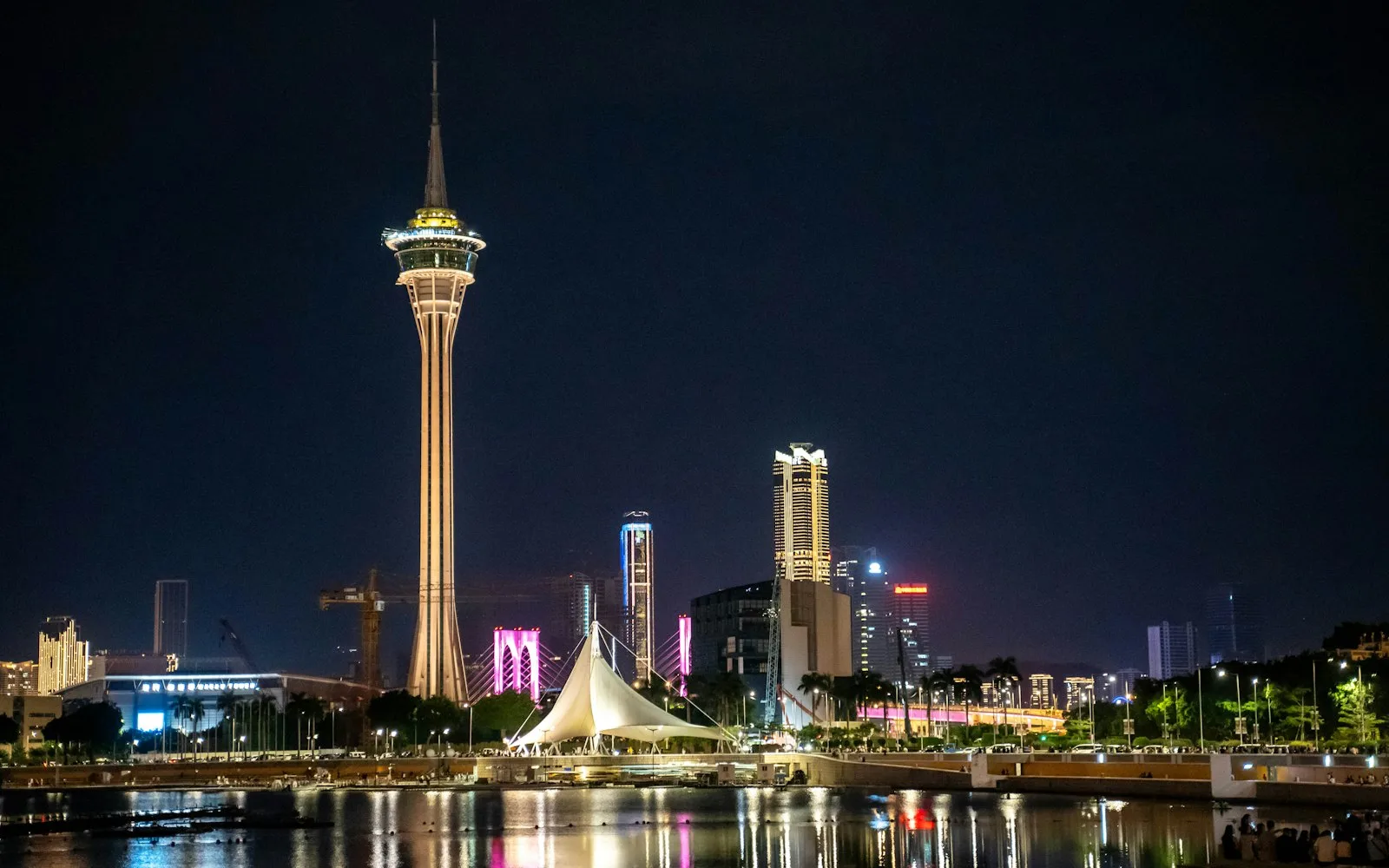
Macau is the extraordinary fusion city of the south of China, the tiny territory of the delta of the Pearl River that the Portuguese ruled for more than four centuries before its return to China as a special region of the nation. It is the only place on earth where the pastry of the pastel de nata and the shrine of the A-Ma meet the towers of the gaming palaces, a city of the narrow lanes of the old peninsula, the enormous casino resorts of the Cotai strip and the gambling that has made it the richest city of the world. The ruins of the St Paul, the baroque churches of the colonial era and the museums of the territory anchor the cultural circuit, while the ferry and the bridge reach the vast hundred of the mainland. Historic, hedonistic and one of a kind, Macau is the great strange show of the Asian coast.
About Macau
Macau is the capital of Macau. The city's documented population is around 687,000 people. For visitors from abroad, the local currency is the Macanese Pataca (MOP) and Chinese and Portuguese are spoken; the dialling code is +853.
The Historic Peninsula and the Ruins of the St Paul
Macau packs two wholly different worlds into a few square kilometres, with the old peninsula of the fortresses, the ruins of the St Paul and the Portuguese lanes of the Centre anchoring the historic day, and the towers and the shows of the Cotai strip staging the neon night. The ferries and the light rail move the enormous crowds between the two, and the museums, the gardens and the food stalls of the old town give the gentle side of the frenetic city. The ferry of the port reaches the neighbouring island of the region in under an hour. It is intense, historic and utterly singular, and its double soul is the entire point.
The Humidity of the Delta, the Typhoons and the Nights of the Cotai
The climate of the delta is humid and subtropical, with the warm, showery summers, the mild winters and the occasional typhoon of the late summer pulling the ferries and the flights to a stop. The pataca is the local currency, with the Hong Kong dollar also widely accepted, and the Cantonese and the Portuguese, the English and the Mandarin all carry the streets of the territory. The old peninsula, the Cotai strip and the museums make the core circuit, and the famous crowds of the gaming floors ask for an extra patience. Light clothing, an umbrella and a foldable jacket for the air-conditioned casinos complete the preparation for Macau.
The Pastel Pastries, the Old Lanes and the Ferry of the Harbour
The ruins of the St Paul, the facade of the baroque church of the seventeenth century that survives roofless above its great staircase, are the emblem of the whole territory and the most photographed stage of its history. The museum of the old fortress and the houses of the Mandarin nearby preserve the Portuguese and the Chinese worlds of the old Macau, while the tower of the territory, the highest of the region with its observation deck and its bungee, gives the vertical thrill of the modern city. The pastel de nata of the old bakeries, the fried food of the streets and the ferry of the harbour, together with the show fountains and the neon lagoons of the casino strip, complete the extraordinary double world of Macau.
Report an error or suggest an update
- Country
- Macau
- Population
- 687,000
- Capital
- Macau
- Region
- Asia
- Currency
- Macanese Pataca (MOP)
- Languages
- Chinese, Portuguese
- Calling code
- +853
- Country code
- MO
Frequently asked questions
Is Macau the capital of Macau?
Yes — Macau is the capital of Macau.
What currency do I need in Macau?
The local currency is the Macanese Pataca (MOP). Languages spoken in Macau include Chinese and Portuguese.
What is the dialling code for Macau?
The international dialling code for Macau is +853.
Flying out of Macau? Check the entry requirements for your destination in our entry requirements tool before you fly.