KhartoumCapital
Sudan · Country profile
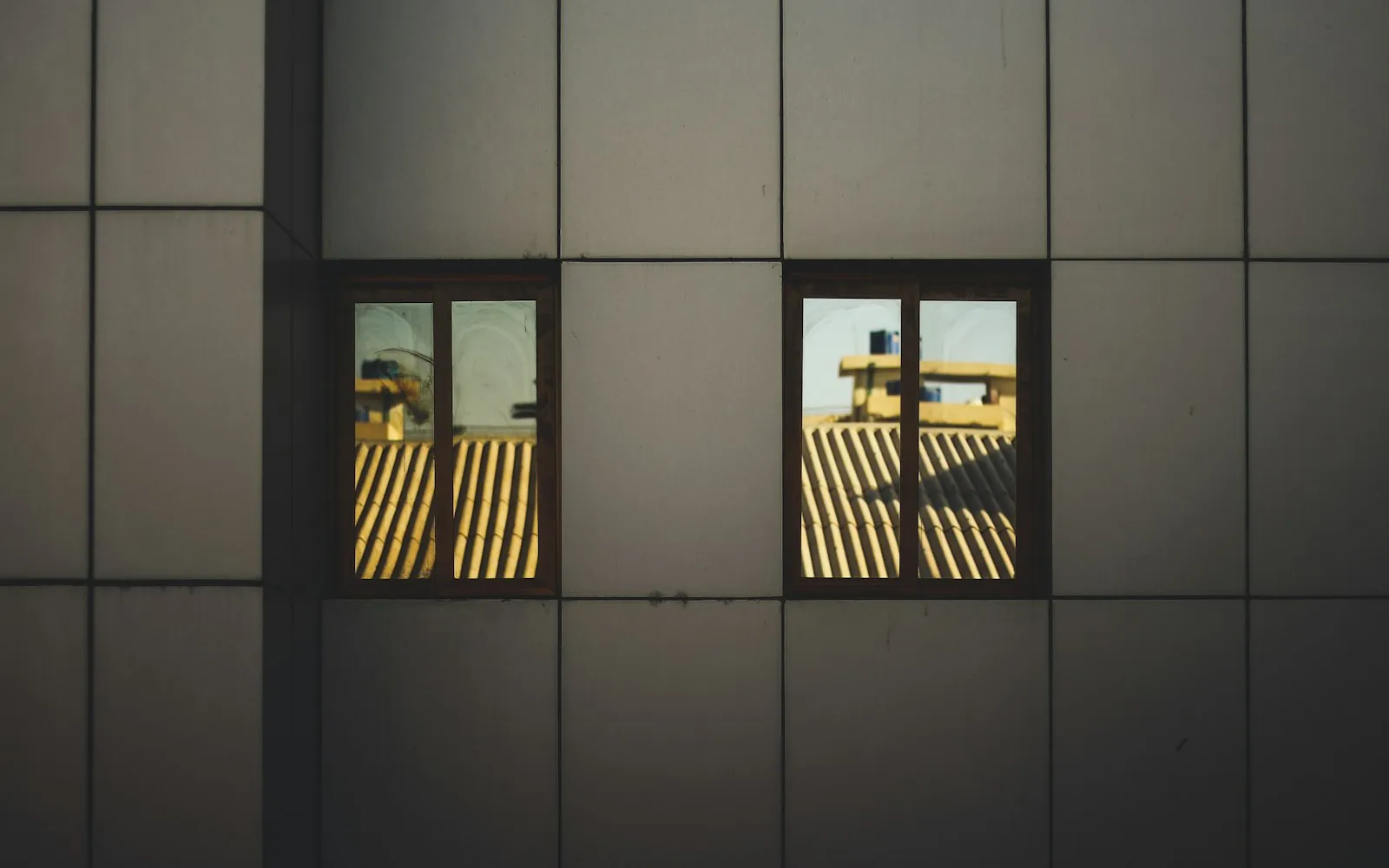
Khartoum is the historic capital of Sudan, the dusty, dramatic city of the desert where the White and the Blue branches of the Nile meet to form the great river of the world. It sits at the sharp point of the confluence, facing the sister towns of the Omdurman and the North Khartoum across the water, and together the three form one of the great urban centres of the Nile valley. The city is a place of the colonial-era buildings, the wide avenues and the enormous skies, of the markets of the dust and the palm-lined riverbanks, and of the calm of the cafés by the water. Long scarred by the troubles of the country, Khartoum remains the proud political and cultural heart of the nation.
About Khartoum
Khartoum is the capital of Sudan. The city's documented population is around 2,700,000 people. For visitors from abroad, the local currency is the Sudanese Pound (SDG) and Arabic and English are spoken; the dialling code is +249.
The Meeting of the Niles and the Bridges of the Three Towns
Khartoum is a city of the river crossings, where the daily rhythm turns on the bridges between the three towns, the cafés along the Nile and the great markets of the Omdurman. The confluence of the two Niles, the national museum with its temples rescued from the waters, and the camel market of the sister town anchor the main routes of the visitor. The heat shapes the day, with the work and the markets of the morning and the breezes of the river for the evening. It is a gentle, dignified and deeply historic capital, best approached with the current security advice of the region firmly in hand.
The Desert Heat, the Breezes of the River and the Museum of the Country
The climate runs hot and dry for most of the year, with the burning summers and the milder, dustier winter, and the rains of the south rarely reach the capital. The pound is the currency, Arabic the language of the streets, with some English in the official and the hotel circles. The museums, the markets and the confluence monuments make the core circuit of the safe hours, and the movement of the traveller must follow the advice of the moment. Light cotton dress, a sun hat and the willingness to stay flexible in a difficult political situation are the practical essentials of Khartoum.
The Soya Market of the Omdurman, the Camel Yards and the Tea Tables
The national museum of the country is the great treasure of the city, preserving the temples of the ancient Nubia rescued from the rising waters of the dam to the north. The confluence of the two rivers, where the pale White Nile meets the dark Blue, is the romantic heart of the town, and the cafés and the tea tables of the riverbank hold the evening life of the capital. The Omdurman across the great bridge carries the historic souk, the tomb of the Mahdi and the camel yards of the desert trade. The dunes that once ringed the city are now suburbs, but the vast pale skies of the confluence still belong to the river and the sand.
Report an error or suggest an update
- Country
- Sudan
- Population
- 2,700,000
- Capital
- Khartoum
- Region
- Africa
- Currency
- Sudanese Pound (SDG)
- Languages
- Arabic, English
- Calling code
- +249
- Country code
- SD
Frequently asked questions
Is Khartoum the capital of Sudan?
Yes — Khartoum is the capital of Sudan.
What currency do I need in Khartoum?
The local currency is the Sudanese Pound (SDG). Languages spoken in Sudan include Arabic and English.
What is the dialling code for Sudan?
The international dialling code for Sudan is +249.
Flying out of Khartoum? Check the entry requirements for your destination in our entry requirements tool before you fly.