KabulCapital
Afghanistan · Country profile
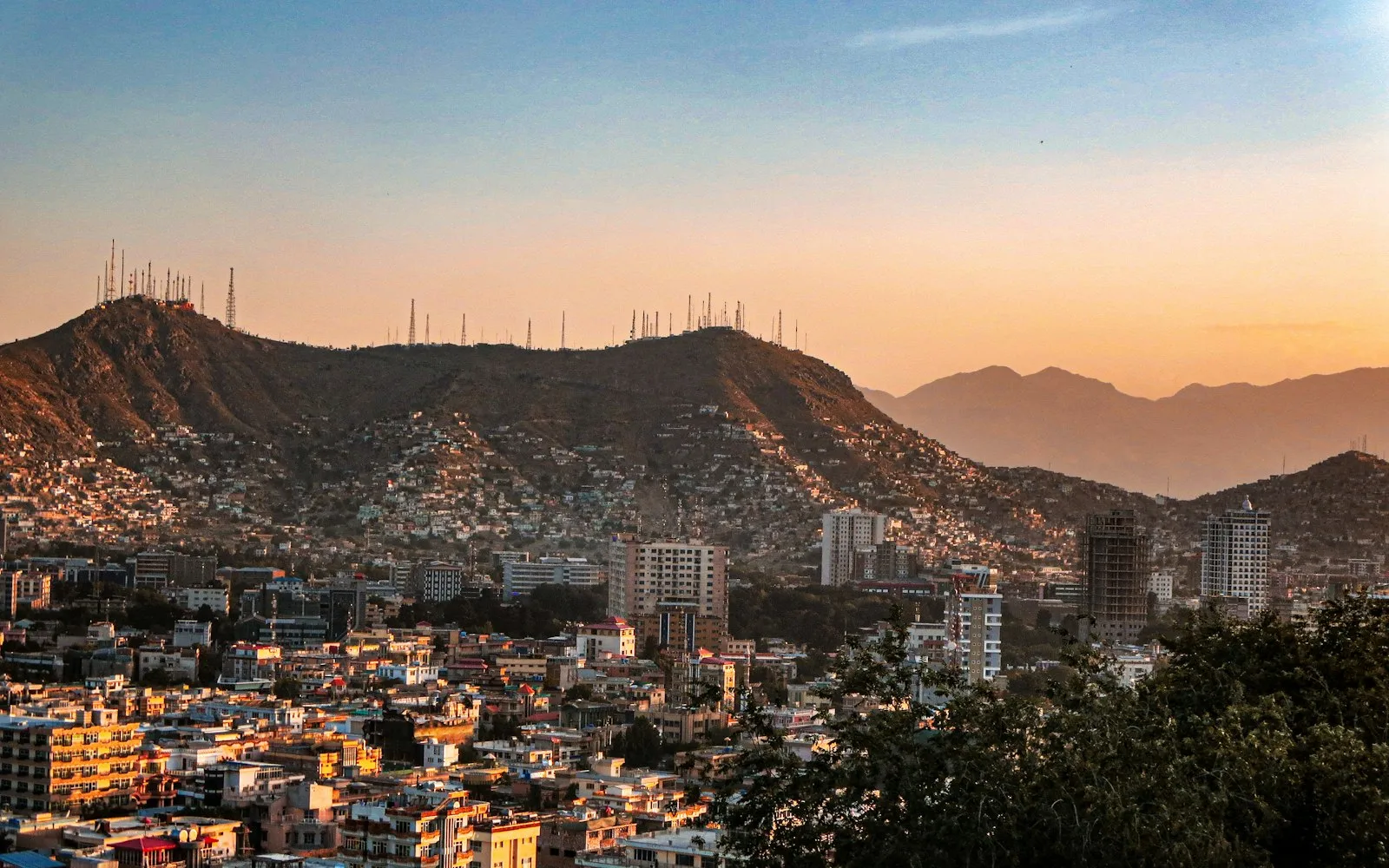
Kabul is the ancient, resilient capital of Afghanistan, a mountain-girdled city of the passes and the gardens that has ruled the trade routes of the Silk Road for more than three thousand years and rebuilt itself after every calamity of its long history. Spread across the high plain of the Hindu Kush at nearly two thousand metres, it is a sprawling metropolis of the mud-brick lanes, the Soviet-era blocks, the new towers and the fierce daily commerce of the bazaars. The fortress of the Bala Hissar, the gardens of the Babur and the old quarter of the pigeon towers preserve the historic heart, while the crowds, the dust and the mountain light give Kabul its raw, compelling energy. It remains the nerve centre of the whole of Afghanistan.
About Kabul
Kabul is the capital of Afghanistan. The city's documented population is around 4,700,000 people. For visitors from abroad, the local currency is the Afghan Afghani (AFN) and Pashto and Dari are spoken; the dialling code is +93.
The Gardens of the Babur and the Fortresses of the Old City
Kabul moves to the rhythm of the dusty streets and the crowded markets, with the gardens of the Babur, the old fortress and the grand mosques anchoring the classic circuit of the town. The mountain roads of the Salang and the Panjshir, the bazaars of the centre and the viewpoints of the hills keep visitors and locals alike on the move between the seasons. Nearly every stay flows from the guesthouses and the compounds of the city, and the days are best built on the historic sites, the craft shops and the teas of the old houses. It is a raw, demanding and endlessly interesting capital, with the safety picture shifting with the politics of the country.
The High Altitude Winters, the Dust of the Springs and the Craft Bazaars
The city sits at altitude, with cold dry winters, a mild dusty spring and warm, drier summers, while the autumn remains the clearest season of the year. The afghani is the currency, Dari and Pashto the languages of the streets, and the movement of the foreign traveller follows the advising security guidance. The historic circuit of the gardens, the fortress and the mausoleum of the great tomb, together with the craft markets of the old town, fills the safe inner days. Modest dress, a local guide and a heavily planned schedule are the practical essentials of the capital.
The Museum of the Country, the Chicken Street and the Views of the Mountains
The gardens of the Babur, the vast terraced park of the first of the Mughal emperors, host the main Friday crowds and the tombstones of the royal family, while the museum of the country reassembles its treasures after the years of the looting. The Chicken Street quarter, famous in the days of the hippie trail, still sells the carpets, the lapis and the furs of the country. The spectacular passes of the mountains around the city, from the gorge of the Salang to the valleys of the north, give the views that frame the whole ragged, dramatic, unkillable spirit of Kabul.
Report an error or suggest an update
- Country
- Afghanistan
- Population
- 4,700,000
- Capital
- Kabul
- Region
- Asia
- Currency
- Afghan Afghani (AFN)
- Languages
- Pashto, Dari
- Calling code
- +93
- Country code
- AF
Frequently asked questions
Is Kabul the capital of Afghanistan?
Yes — Kabul is the capital of Afghanistan.
What currency do I need in Kabul?
The local currency is the Afghan Afghani (AFN). Languages spoken in Afghanistan include Pashto and Dari.
What is the dialling code for Afghanistan?
The international dialling code for Afghanistan is +93.
Flying out of Kabul? Check the entry requirements for your destination in our entry requirements tool before you fly.