JubaCapital
South Sudan · Country profile
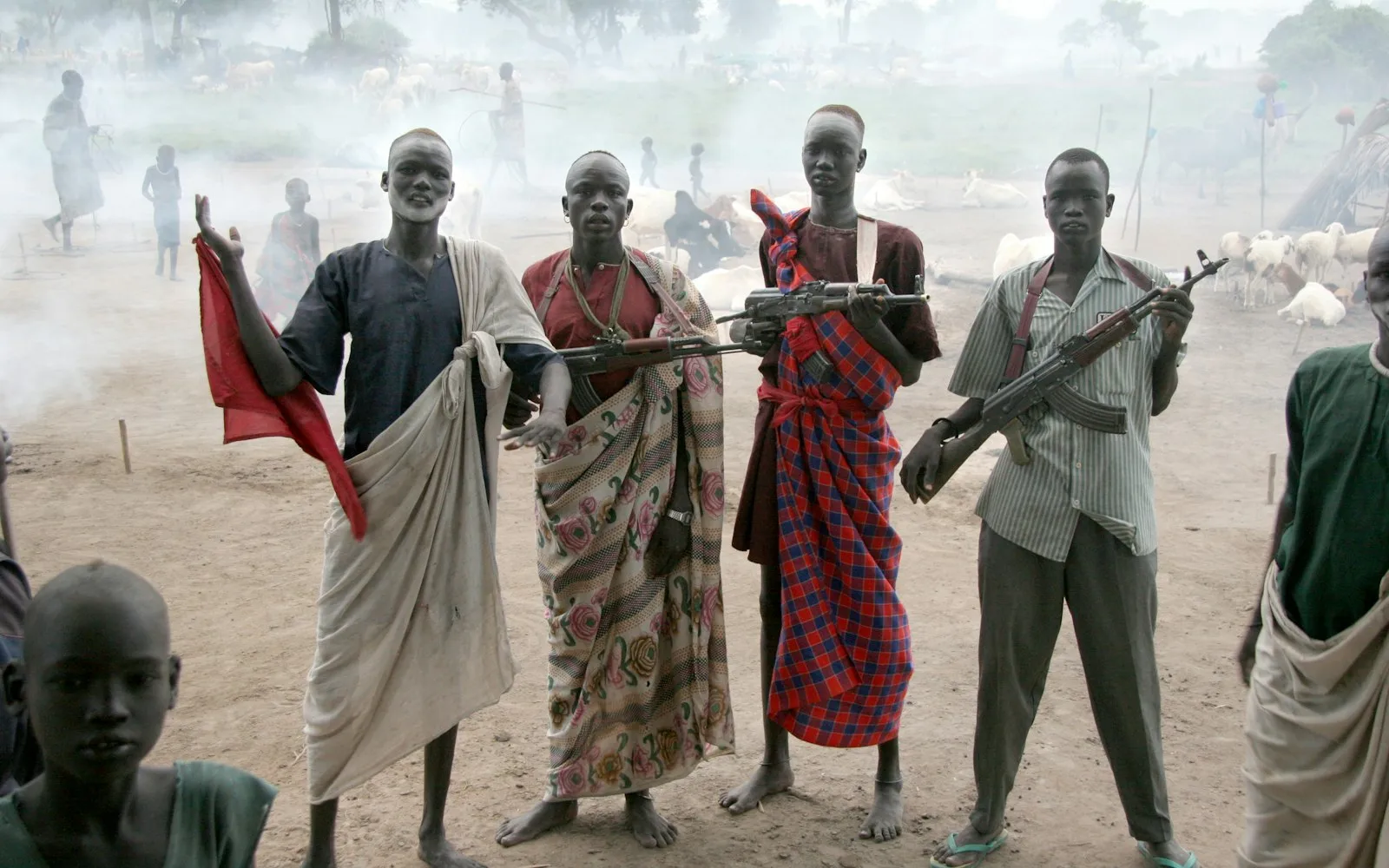
Juba is the riverside capital of South Sudan, the youngest national capital of Africa, a sprawling, construction-site city that spreads over the green hills above the wide White Nile at the meeting of the country’s great river ways. Born from a garrison town of the long conflicts into the seat of government of the newest state of the continent, it mixes the tin-roofed markets and the dusty tracks of the settlement with the new ministries, the banks and the gleaming complexes of the oil and the aid economies. The river gives the capital its life and its escape, with the islands and the boat trips of the water holding the calm heart of the town. Raw, hopeful and genuinely friendly, Juba is the extraordinary frontier capital of a nation finding its feet.
About Juba
Juba is the capital of South Sudan. The city's documented population is around 525,000 people. For visitors from abroad, the local currency is the South Sudanese Pound (SSP) and English is spoken; the dialling code is +211.
The River Capital and the Bridges of the Nile
Juba is a raw, growing river capital where the markets, the river views and the striking sense of history-in-the-making fill the visitor’s days. The essential stops are the great market of the centre, the memorial garden overlooking the Nile, the modest museum of the country and the boat cruises of the river that break the heat of the afternoon, with the surrounding villages and the wildlife country of the region reachable by the guarded day-trips. The accommodation of the capital is functional and the pace of it is improvised, but the friendliness of the people and the quiet drama of the river give it an absorbing, deeply human character. It is a capital for the resilient traveller, and its hope is tangible.
The Rainy Season, the Heat and the River Cruises of the Afternoon
The climate is hot all year with the distinct wet season from the spring to the autumn, when the rivers rise and the roads of the capital and the region turn difficult, and the drier, easier, hotter months of the winter and the early spring. The South Sudanese pound is the currency, the English the working language with the Arabic and the local languages on the streets, and the guided vehicles and the organised operators of the city are the sensible way to move beyond the centre. The security situation drives the planning, and the permissions and the curfews follow the guidance of the hospitality of the capital. The river cruises, the markets and the bird islands of the Nile anchor the safe and rewarding core of the visit.
The Market of the Centre, the Memorial Garden and the Islands of the River
The memorial of the garden of the capital, the monument beside the Nile that honours the freedom fighters of the long struggle, anchors the modern history of the city, while the small national museum of the town preserves the ethnographic collections of the peoples of the country. The great market of the centre of the city, with its fabrics, its spices and the vivid commerce of the traders from the whole region, gives the authentic pulse of the capital. The boat trips of the river, past the islands and the fishermen with their hippos and their bird islands of the South, complete the quiet, water-centred heart of the young capital, and the day trips into the surrounding cattle country reveal the immense, gentle hinterland of the river state.
Report an error or suggest an update
- Country
- South Sudan
- Population
- 525,000
- Capital
- Juba
- Region
- Africa
- Currency
- South Sudanese Pound (SSP)
- Languages
- English
- Calling code
- +211
- Country code
- SS
Frequently asked questions
Is Juba the capital of South Sudan?
Yes — Juba is the capital of South Sudan.
What currency do I need in Juba?
The local currency is the South Sudanese Pound (SSP). Languages spoken in South Sudan include English.
What is the dialling code for South Sudan?
The international dialling code for South Sudan is +211.
Flying out of Juba? Check the entry requirements for your destination in our entry requirements tool before you fly.