HavanaCapital
Cuba · Country profile
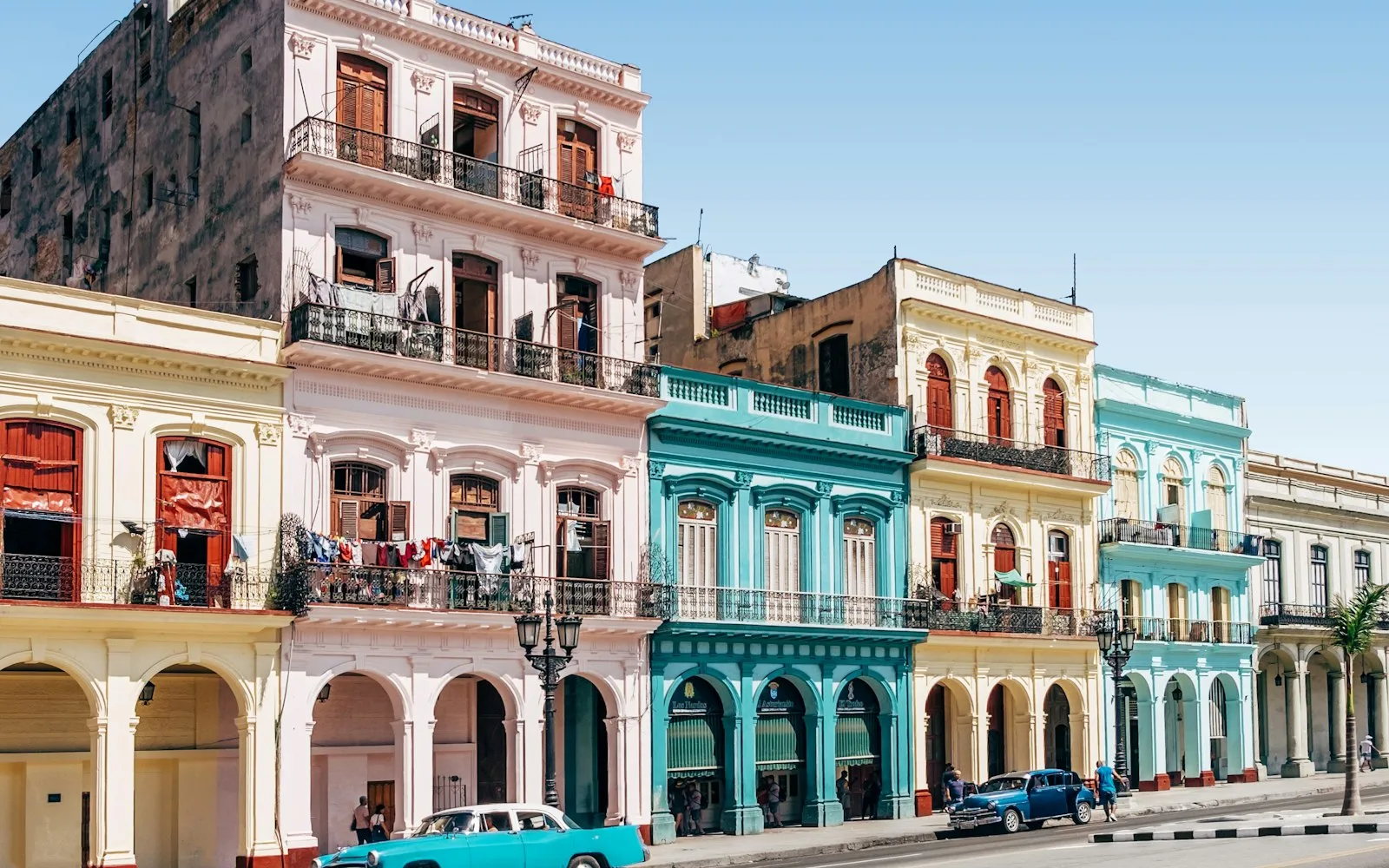
Havana, the capital of Cuba, is a grand, crumbling beauty of a city, where the faded glory of the colonial past, the aging American cars and the music of the streets hold court over nearly five hundred years of history. Old Havana, a UNESCO quarter, layers its plazas, its palaces and its cathedrals over the wharfs of the bay, while the modern city spreads the Malecón seafront, the leafy districts of the Vedado and the monuments of the revolution. The city is a place of contrasts and of resilience, of music in the doorways and art in the galleries, and of the stubborn, warm will of its people.
About Havana
Havana is the capital of Cuba. The city's documented population is around 2,119,000 people. For visitors from abroad, the local currency is the Cuban Peso (CUP) and Spanish is spoken; the dialling code is +53. It is served by 1 airport in our guide: José Martí International Airport.
The Malecon, the Old Square and the Music of the Streets
Havana is a city of the senses — the music in the air, the colour of the old cars, the salt of the sea and the smells of the street food — and its beauty is in the crumbling layers of the centuries. Old Havana packs the plazas, the palaces and the museums of its colonial history; the Malecón is the long stage of the sunsets and the conversations; and the Vedado holds the hotels, the nightlife and the modern centre. The reality is a cramped, generous, improvised city of shortages and of heart, and it rewards those who come with patience and an open door. The walking tour, the salsa night and the longevity of the classic car ride are the essentials.
The Classic Cars, the Dance Halls and the Season of the Rain
The best months are the cooler, drier ones from November to April; the summer is hot and humid, and the wet season brings the sudden storms. The country runs on cash, and the card networks of the foreign banks mostly do not work, so bring the cash you need and change it carefully. The museums of Old Havana are cheap and the walking is the best transport; the classic car rides and the salsa clubs need the negotiation up front. Learn a little Spanish, pack the patience for the queues and the improvising of the supply, and know that the wifi is patchy and slow at best.
The Forts of the Bay, the Museums and the Sunsets of the Shore
The great blocks of old Havana, the plazas of the cathedral and the promenade of the Prado, are the essential walks, and the rooftop bars of the old quarter give the classic views. The Malecón is the city’s soul at dusk, when the whole city leans on the wall against the waves. The classic cars of the 1950s taxi the visitors on the circuit of the monuments, and the salsa clubs of the Vedado and the live music of the Callejón de Hamel run late into the night. The paladares, the family-run restaurants, serve the best of the home cooking. Bring medicines, toiletries and good humour — the island shortage is the traveller’s reality and the island’s generosity the reward.
Report an error or suggest an update
- Country
- Cuba
- Population
- 2,119,000
- Coordinates
- 22.9892, -82.4091
- Capital
- Havana
- Region
- North America
- Currency
- Cuban Peso (CUP)
- Languages
- Spanish
- Calling code
- +53
- Country code
- CU
Getting to Havana
Airports we list for Havana:
Frequently asked questions
Is Havana the capital of Cuba?
Yes — Havana is the capital of Cuba.
What currency do I need in Havana?
The local currency is the Cuban Peso (CUP). Languages spoken in Cuba include Spanish.
What is the dialling code for Cuba?
The international dialling code for Cuba is +53.
Which airport should I fly into for Havana?
José Martí International Airport (HAV) is the airport we list for Havana.
Flying out of Havana? Check the entry requirements for your destination in our entry requirements tool before you fly.