BissauCapital
Guinea-Bissau · Country profile
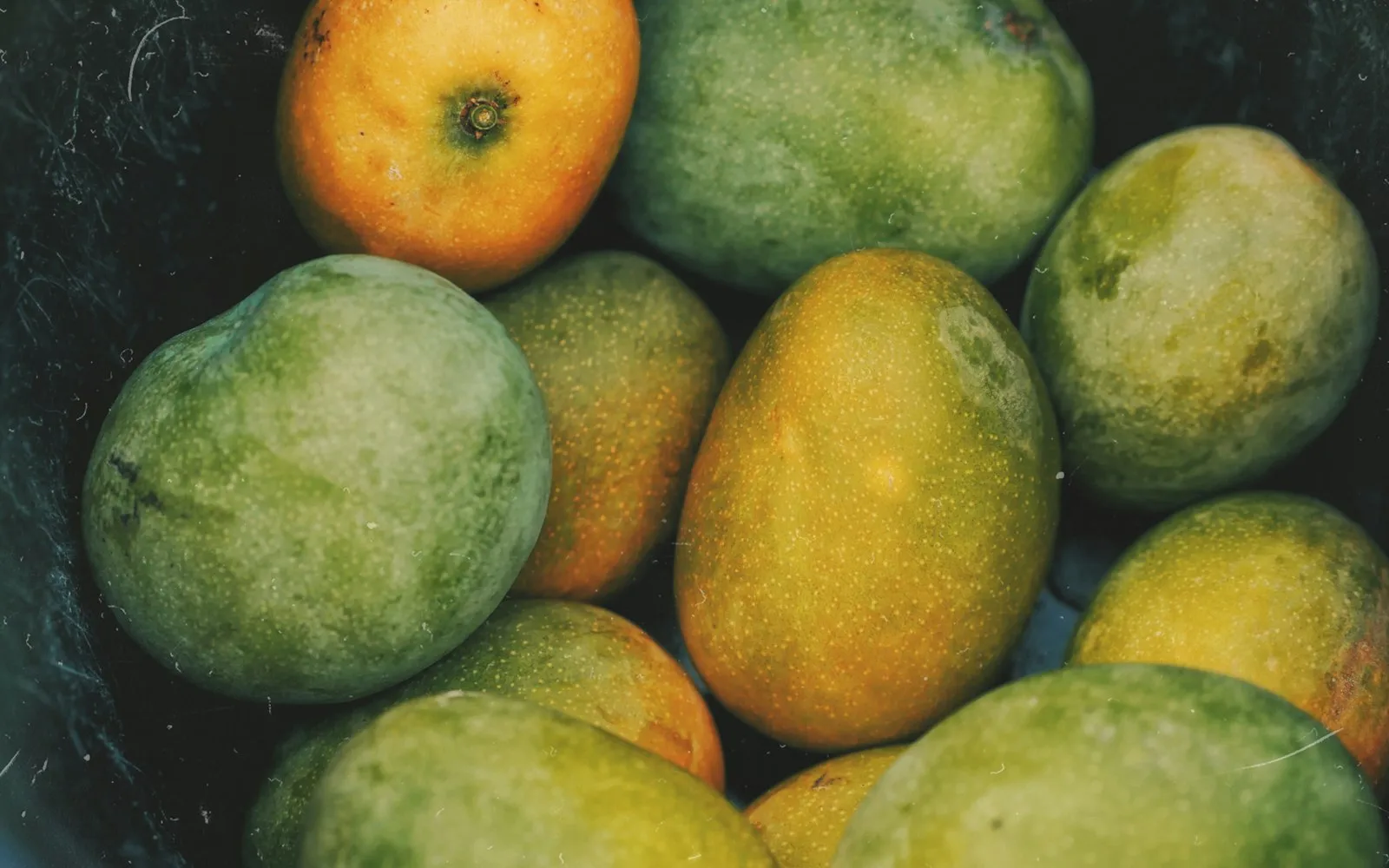
Bissau is the riverside capital of Guinea-Bissau, a worn, atmospheric port city that spreads along the south bank of the wide Geba estuary where the river country of the interior meets the Atlantic world. The city mixes the faded ochre palaces and the peeling facades of the Portuguese colonial capital, the vivid daily commerce of its markets and the deep bars and the band clubs of its celebrated music scene. It is the seat of a poor, resilient and endlessly friendly nation, and its waterfront promenades, its island day-trips and its bicycle streets give it the gentle, crumbling charm of the forgotten capitals of the continent. Reachable, absorbing and still remarkably unvisited, Bissau is the surprising heart of the lusophone coast.
About Bissau
Bissau is the capital of Guinea-Bissau. The city's documented population is around 492,000 people. For visitors from abroad, the local currency is the West African CFA franc (XOF) and Portuguese is spoken; the dialling code is +245.
The River Capital and the Fort of the Estuary
Bissau is a low-rise, walkable capital of the faded colonial district, the animated central market and the long palm-fringed promenades of the river waterfront. The essential mornings combine the presidential palace, the fort of the colonial era and the covered market, with the boat trips to the Bijagos islands and the mangroves of the estuary filling the fuller days. The nightlife of the capital is its living legend, with the live bands, the gumbe percussion and the dance clubs of the city running late into the week. Broken pavements, friendly smiles and a completely unpolished character define the visit, and the patience of the traveller is richly rewarded by the warmest welcome of the West African coast.
The Hot Season, the Cashew Trade and the Estuary Nights
The coast enjoys the warm dry season from the late autumn to the spring and the heavy rains and the humidity of the summer months, with the dry months the sensible window for the islands and the estuary trips. The CFA franc of the West African monetary union is the currency, the Portuguese the official language and the Kriol the lingua franca of the streets, with the French and the English little used. The capital is small enough for the bicycle and the walking, and the boats of the port give the boat access to the Bijagos. The safety of the daytime is good; the evening care and the cash for the markets are the practical essentials of the visit.
The Palm Promenade, the Band Clubs and the Pirogues of the Port
The fort of the colonial era, with the mausoleum of the national hero Amilcar Cabral and the small museum of the liberation struggles, holds the deep modern history of the country, while the tall cathedral of the centre anchors the skyline of the town. The markets of the capital, led by the great covered market of the centre with its fabrics, its fish and its spices, run the daily commerce of the nation. The carnival of the capital, with its masked dance of the Bijagos and the riverside peoples, is the famous celebration of the country, and the music of the city, the gumbe of the universal language, completes the warm, ragged, utterly distinctive soul of Bissau.
Report an error or suggest an update
- Country
- Guinea-Bissau
- Population
- 492,000
- Capital
- Bissau
- Region
- Africa
- Currency
- West African CFA franc (XOF)
- Languages
- Portuguese
- Calling code
- +245
- Country code
- GW
Frequently asked questions
Is Bissau the capital of Guinea-Bissau?
Yes — Bissau is the capital of Guinea-Bissau.
What currency do I need in Bissau?
The local currency is the West African CFA franc (XOF). Languages spoken in Guinea-Bissau include Portuguese.
What is the dialling code for Guinea-Bissau?
The international dialling code for Guinea-Bissau is +245.
Flying out of Bissau? Check the entry requirements for your destination in our entry requirements tool before you fly.