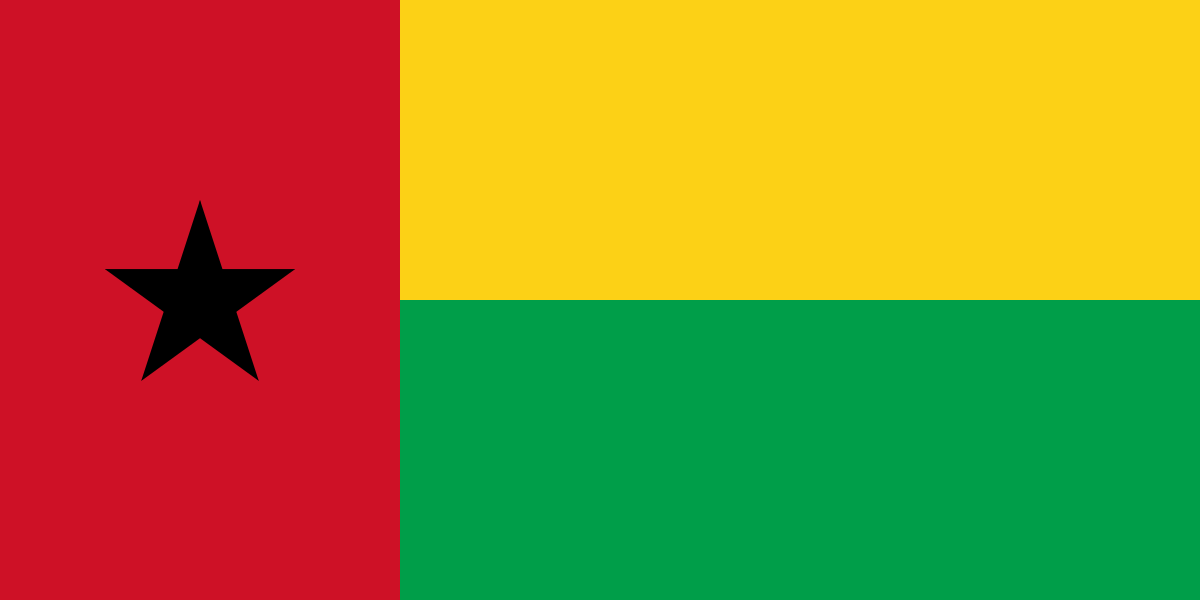
Guinea-Bissau
Africa · Bissau · GW
Guinea-Bissau is the small, riverside country of the West African coast, the nation of the estuary world and the islands that sits between the republic of the north and the great country of the south, with the capital on the Rio Geba cutting to the heart of the interior. The country, one of the least visited of the continent, holds the remarkable Bijagos archipelago, the chain of the large islands of the Atlantic that the marine protected areas have preserved with their dugongs, their sea turtles and their island communities. The mangrove forests and the rice fields of the rivers, the cashew nut plantations of the economy and the forests of the south shelter the chimpanzees and the rich birdlife of the region. The unique island culture, the sacred rituals and the ceramics of the Bijagos and the colonial Portuguese architecture of the capital complete the deep, undiscovered character of the country of the estuary.
Overview
Guinea-Bissau is a country in Africa. Its capital is Bissau and the international dialling code is +245. Languages commonly used in everyday life here include Portuguese. Local currency is the West African CFA franc (XOF). We also list 1 city in Guinea-Bissau: Bissau.
The Islands of the Bijagos and the Turtles of the Shores
The islands of the Bijagos, the great archipelago of the Atlantic that extends from the coast of the country into the open ocean, is the jewel of the natural world of Guinea-Bissau, a protected chain of the forested islands ringed by the mangroves and the tidal flats. The islands hold the nesting sea turtles of several species crawling up the beaches of the night and the vast birds and marine mammals of the protected waters circling the archipelago. The communities of the islanders, the people of the Bijagos culture with their sacred initiation cults, their masks and their flourishing pottery, live in the villages in the deeply traditional rhythm of the ocean world, and the sailing between the islands offers the visitor the extraordinary remote experience of the last wild archipelago of the region.
The Capital of the Bissau and the Streets of the Colonial Era
The capital of the Bissau, the river port of the country that spreads along the north bank of the wide estuary of the Geba, is the easy-going commercial and political heart of the nation, a city of the wide avenues, the crumbling colonial palaces and the vivid markets. The old centre of the capital, with the fort of the colonial era, the cathedral and the painted facades of the Portuguese era, holds the memory of the trading city of the estuary, and the markets of the capital, from the fish market of the port to the enormous covered market of the centre, run the commerce of the country. The morning coffee and the terraces of the city, the band shells and the palm-fringed promenades of the colonial district, and the views over the busy estuary with its pirogues, complete the gentle, neglected, deeply atmospheric character of the capital.
The Mangroves of the Rivers and the Birds of the Estuaries
The mangrove forests of the country, the extensive networks of the tidal channels and the forested mudbanks that line the great estuaries of the rivers, are among the largest and most important of coastal West Africa, the nursery of the fish and the great refuge of the water birds of the coast. The birdlife of the estuaries is exceptional, with the enormous concentrations of the herons, the egrets, the ibises, the terns and the migratory waders that winter in the great wetlands. The pirogue journeys of the estuaries, threading the dark channels of the mangroves with their fishing camps and their manatees, give the visitor the serene and abundant heart of the aquatic world of the country.
The Forests of the South and the Chimpanzees of the Forest
The forests of the south of the country, the dense riparian and the gallery forests that follow the rivers of the Cantanhez region toward the borders of the neighbouring state, shelter the last great populations of the chimpanzees of the country and the refugee wildlife of the region. The forests of the region, partly cleared for the rice, the cashew and the palm oil of the villages but still holding the great emergent trees and the monkey populations of the west, offer the trekking habitat of the chimpanzees, the colobus and the many monkeys of the canopy. The villages of the south, with their forest gardens and their rice fields, their sacred groves and their dances, continue the living culture of the forest edge, and the walks with the local guides through the wild, wet interior complete the deep expedition of the southern forests of the country.
The Caravels and the Memory of the Voyages of the Centuries
The waters of the country, the coast and the rivers that the first caravels of the Portuguese explorers sailed past in the middle of the fifteenth century, hold the memory of the very beginning of the maritime contact between Europe and the coast of West Africa. The navigators of the era of the discoveries, who named the coast from the shore's landmarks and traded with the chiefs of the rivers, opened the long Atlantic era of the country, and the forts and the trading posts along the rivers recall the centuries of the commerce and the empire. The culture of the lusophone coast, the language of the country, its creole and the old influences in the music and the food of the region, complete the picture of the deep historical entrepôt of the estuary world.
Compare hotels, cover your trip and stay connected.
- Capital
- Bissau
- Currency
- West African CFA franc (XOF)
- Languages
- Portuguese
- Calling code
- +245
- Internet TLD
- gw
Entry requirements
Check who can enter →See which passports travel visa-free or need a visa to enter Guinea-Bissau.
Cities (1)
All cities →Frequently asked questions
What is the capital of Guinea-Bissau?
Bissau is the capital of Guinea-Bissau, and the country sits in Africa.
What currency is used in Guinea-Bissau?
You pay with West African CFA franc (XOF) in Guinea-Bissau. Exchange rates move day to day, so check the current rate before you change money or use your card abroad.
Which languages do people speak in Guinea-Bissau?
The languages we list for Guinea-Bissau are Portuguese. A couple of greetings in the local language go a long way when you travel, even in cities where another language is widely used.
What is the international dialling code for Guinea-Bissau?
The dialling code for Guinea-Bissau is +245 — keep the plus sign when you save the number.
Which cities in Guinea-Bissau do you cover?
Our guide lists 1 city for Guinea-Bissau: Bissau (capital).