BeirutCapital
Lebanon · Country profile
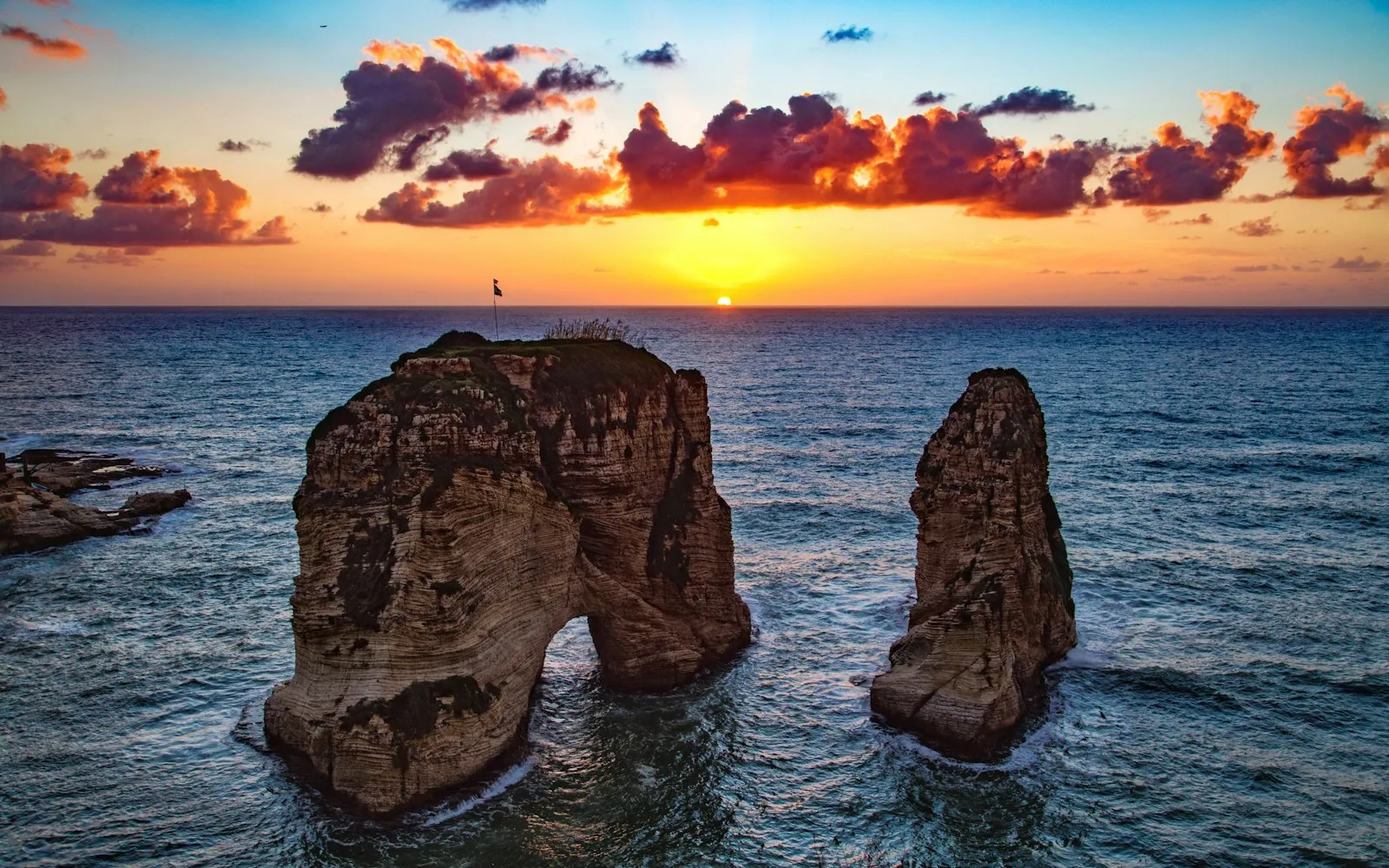
Beirut is the Mediterranean capital that has been knocked down and rebuilt so often that living well has become its answer to everything. The seafront Corniche runs past the fishermen, the joggers and the diving boards of the old cliff, and behind it the city layers its ruined Roman baths, its revived old souks and the bars of Gemmayzeh and Mar Mikhael on the hillside. It is a city of appetites, of argument, of the beach and the mountain, where the cedar and the sea come together within a single valley view. The museums hold the Phoenician gold, the galleries hold the contemporary art and the mezzes never stop arriving. Complicated and utterly charming, Beirut rewards the visitor who takes it as it comes.
About Beirut
Beirut is the capital of Lebanon. The city's documented population is around 2,042,000 people. For visitors from abroad, the local currency is the Lebanese Pound (LBP) and Arabic and French are spoken; the dialling code is +961. It is served by 1 airport in our guide: Beirut–Rafic Hariri International Airport.
The Corniche, the Ruins and the Nights of the Coast
Beirut is a dense, layered capital where the sea, the history and the nightlife sit within a few walkable kilometres, and the rhythm is Mediterranean: late starts, long lunches and evenings that run deep into the night. The Corniche, the Hamra cafes, the bars of the old quarters and the museums are the classic circuit, and the country’s ruins, mountains and wineries are reachable in day trips. The city is safe and friendly in its tourist areas, though the wider situation carries an edge the visitor should read about before arrival. It rewards a flexible spirit, good shoes and a serious appetite for the mezzes.
The Souks Reborn, the Bars of Mar Mikhael and the Seasons
The sweet spot is the spring and the early autumn, when the sea is warm enough for a swim and the mountain still has its greenery; summer is hot and busy, winter is mild but wet. Cash is king for the smaller shops and the taxis, though cards work in the bigger places, and the currency wobbles, so check the local price situation on arrival. Booking a good hotel and the top tables is wise in the high season. The nightlife of Gemmayzeh is the draw, but the museums and the ruins deserve the mornings. Pack light layers and a modest dress sense for the religious sites.
The Beach, the Mountain and the Mezze of the Evening
The best way to meet the city is on foot or by service taxi, the shared vans of the local transport that run along the main streets for pocket change. The Corniche is the city’s living room at sunset, and the Raouché rocks are its postcard. Beware the building sites and the regular power cuts — the water heaters and the lifts run on a schedule of their own. The Arabic of the locals mixes freely with French and English, so the traveller is never far from a helping hand. Eat the street shares of the morning, the manakeesh of the bakeries, and save the long mezzes for the evenings when the whole city seems to sit down together.
Report an error or suggest an update
- Country
- Lebanon
- Population
- 2,042,000
- Coordinates
- 33.8209, 35.4884
- Capital
- Beirut
- Region
- Asia
- Currency
- Lebanese Pound (LBP)
- Languages
- Arabic, French
- Calling code
- +961
- Country code
- LB
Getting to Beirut
Airports we list for Beirut:
Frequently asked questions
Is Beirut the capital of Lebanon?
Yes — Beirut is the capital of Lebanon.
What currency do I need in Beirut?
The local currency is the Lebanese Pound (LBP). Languages spoken in Lebanon include Arabic and French.
What is the dialling code for Lebanon?
The international dialling code for Lebanon is +961.
Which airport should I fly into for Beirut?
Beirut–Rafic Hariri International Airport (BEY) is the airport we list for Beirut.
Flying out of Beirut? Check the entry requirements for your destination in our entry requirements tool before you fly.