EU Entry/Exit System (EES): What Changes for Travellers in 2026?
Europe's new Entry/Exit System (EES) is changing how travellers enter the Schengen Area. Here's what the new biometric border checks mean, who is affected, and what to expect on your next trip.
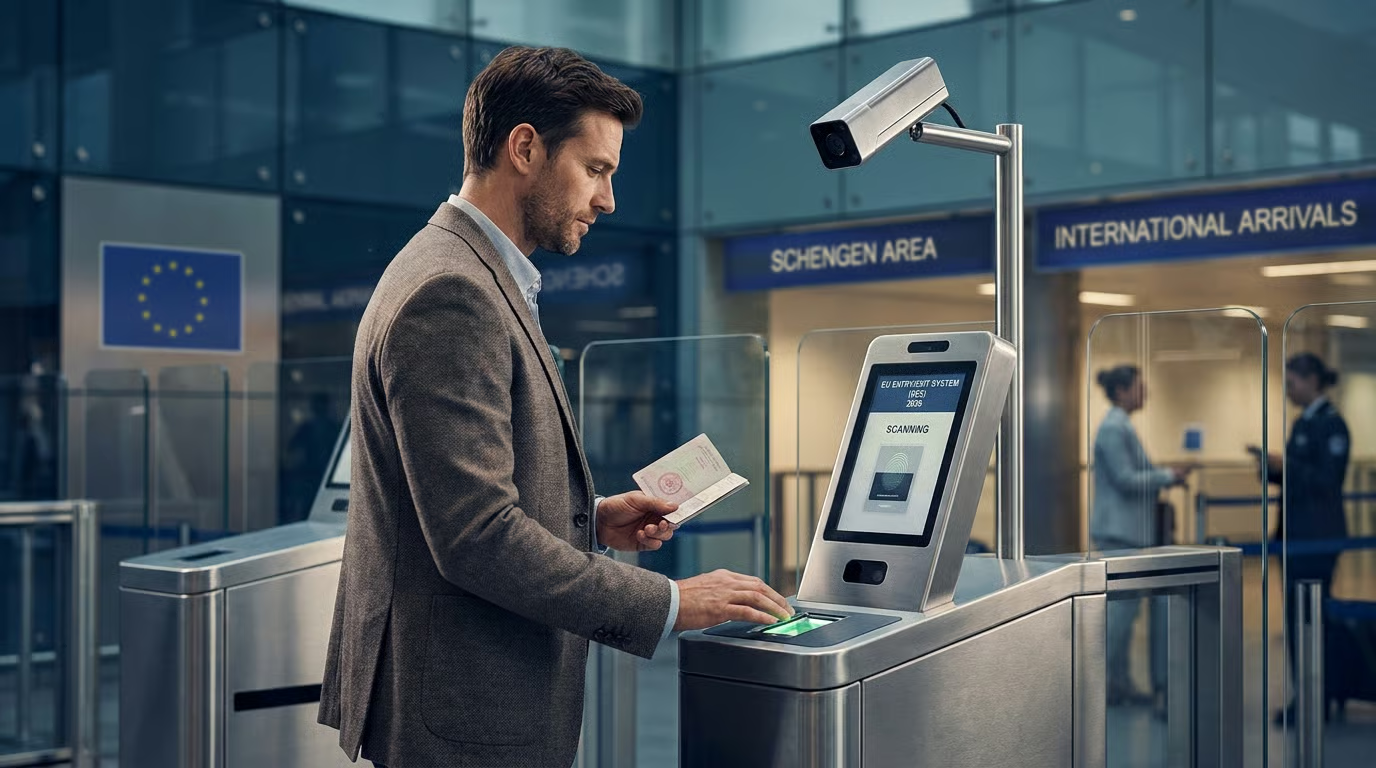
A New Border Experience in Europe
If you're planning a trip to Europe in the coming months, you may notice that border checks are starting to look a little different. Several countries in the Schengen Area are now using the Entry/Exit System (EES), a new digital border system that replaces traditional passport stamps with biometric registration. For most travellers, this won't change where they can travel. However, it may change what happens when they arrive at passport control.
Why Travellers Are Talking About EES
The introduction of EES has attracted attention because it affects millions of visitors entering Europe from outside the European Union. The system records entries and exits electronically using passport information, fingerprints and facial images, creating a more accurate record of travel movements across participating countries.
What Is the Entry/Exit System (EES)?
The Entry/Exit System is a digital border management platform used by Schengen countries to register travellers from non-EU countries. Instead of manually stamping passports, border authorities record entries and exits electronically. The goal is to improve border security while providing more accurate information about how long visitors remain in the Schengen Area. The system applies to short-stay travellers visiting for tourism, business or family reasons.
Who Is Affected?
EES mainly affects travellers arriving from countries outside the European Union. This includes visitors from countries such as Morocco, the United Kingdom, the United States, Canada, Australia and many others. EU citizens and residents generally follow different border procedures and are not the primary target of the system.
What Happens at the Border?
The first time a traveller enters a participating country, border officers may collect biometric information, including fingerprints and a facial photograph. After registration, future border crossings should become easier because the traveller's information is already stored in the system. The exact process may vary slightly depending on the airport, port or land border crossing.
Will Airport Queues Be Longer?
Possibly, especially during the first months of implementation. Many airports are introducing new equipment and procedures, and travellers may need additional time to complete biometric registration during their first visit. For this reason, arriving at the airport early and allowing extra time for border checks is a sensible precaution.
EES vs ETIAS: What's the Difference?
Many travellers confuse EES and ETIAS, but they are not the same thing. EES records border crossings and biometric information when travellers enter or leave the Schengen Area. ETIAS is a separate travel authorisation system that certain visa-exempt travellers will need to obtain before travelling. One system manages border records, while the other is a pre-travel authorisation.
Should Travellers Be Concerned?
For most visitors, the answer is no. The majority of travellers will simply experience a different border procedure the first time they enter a participating country. The new system does not automatically change visa requirements or determine who can travel. It mainly changes how entries and exits are recorded.
Frequently asked questions
Do I need fingerprints for EES?
Many travellers will provide fingerprints and a facial image during their first registration in the system.
Does EES replace ETIAS?
No. EES and ETIAS are separate systems that serve different purposes.
Which countries use EES?
The system is used by participating Schengen countries. Travellers should always check the latest information before departure.
Will EES affect my visa requirements?
No. EES changes border procedures but does not automatically change visa rules for a destination.
Can I still travel normally with a valid passport?
Yes. Travellers who meet the entry requirements of their destination can continue travelling normally.