Argentina for digital nomads
Remote working in Argentina in 2026: the real visa picture, the money reality after the peso reforms, fibre, seasons — and which old advice to ignore.
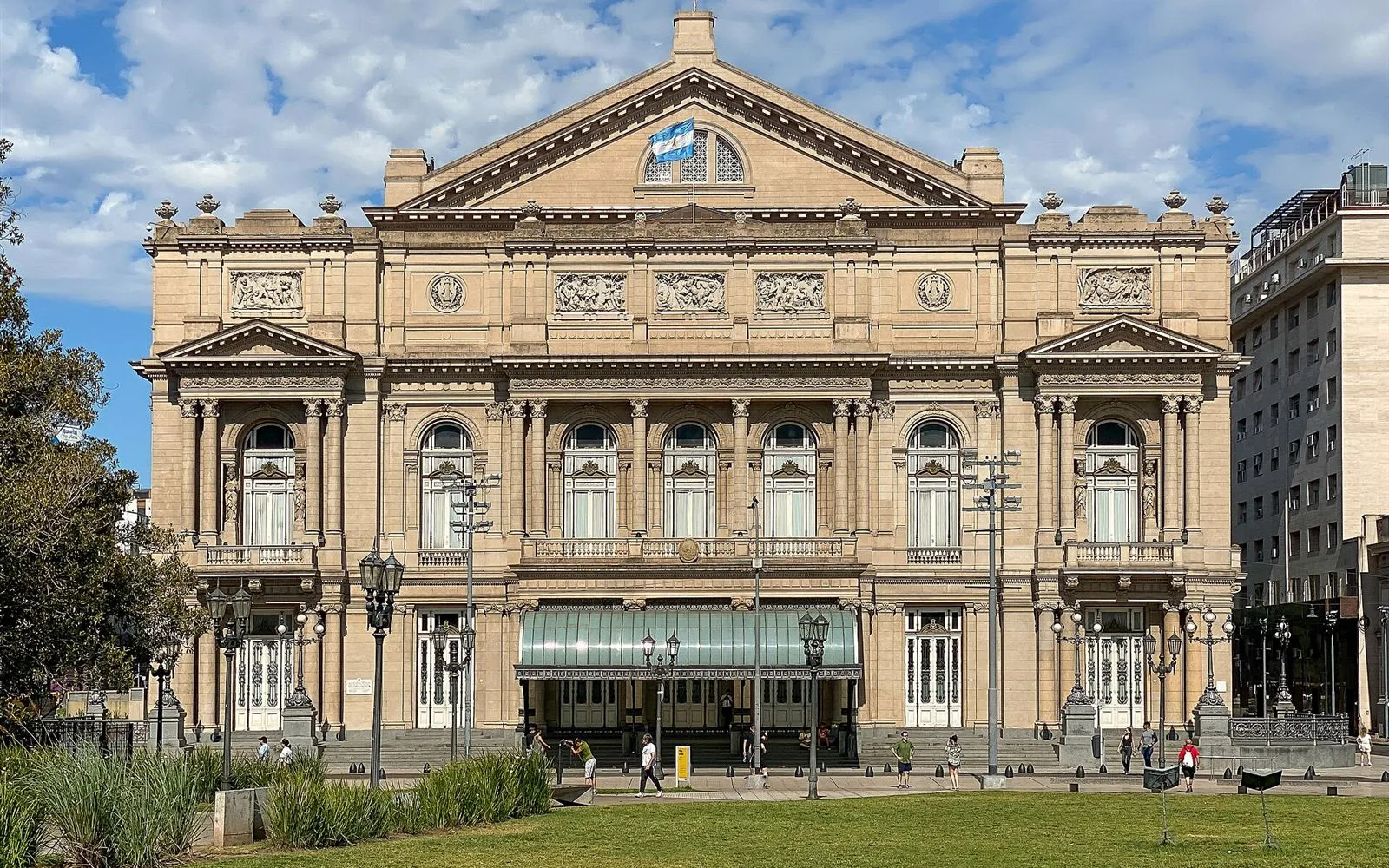
Ask a veteran digital nomad about Argentina and you’ll get two very different answers. The romantic one: the best café city on earth, wild nights, and the “Paris of South America.” The practical one: the visa picture and the money situation changed completely after 2023, and old guides are dangerously stale. This guide is the practical answer, verified against Argentine official sources in August 2026. Buenos Aires is worth the paperwork — and the paperwork is worth getting right.
Your stay options: tourist entry vs nomad residence
The tourist route (what most nomads use)
Most Western passports — EU, US, UK, Canada, Australia, New Zealand, Japan, South Korea, Israel and most of Latin America — enter Argentina visa-free for 90 days, and can extend once for another 90 at a Migraciones office, for up to 180 days in total. Border requirements are the standard set: passport, onward ticket, accommodation proof and funds (a decent card usually quietens any question).
The Digital Nomad Residence (for longer stays)
Argentina has a purpose-built residence for remote workers — the teletrabajo category under Law 25.871 — good for an initial 180 days, extendable once by another 180. It’s only open to nationals of countries that enter visa-free anyway, which tells you its real job: legality and a paper trail, not unlocking the border. You’ll show regular foreign income — in practice around USD 1,500–2,000 a month via contracts or invoices — plus international health insurance and where you’ll stay. Government fees are modest; the paperwork is the price.
| Route | Length | Best for | Watch out for |
|---|---|---|---|
| Tourist entry | 90d + 90d extension = 180d | Short stays, simplicity | No work authorisation; border-run habits are tolerated, not lawful |
| Digital Nomad Residence | 180d + 180d = 360d | Stays past 180 days, banking, DNI | Paperwork; no path to citizenship by itself |
| Rentista / temporary residence | Renewable; counts toward citizenship | Settling long-term | Requires passive (not active) income |
Money and status are the same decision here. Argentina taxes residents on worldwide income, and residency triggers at 183 days in a calendar year. Staying under that line — which the 180+180 nomad residence is built around — keeps your foreign income outside the Argentine tax net. Get a professional opinion once things get serious.
Money in 2026: the blue dollar chapter is over
The single most outdated instruction in pre-2026 Argentina content is: “bring crisp US$100 bills and change them under the counter.” That describes a different country. Argentina removed capital and currency controls in April 2025, unified the exchange rate after the December 2023 devaluation, and the official and parallel rates have effectively converged. ATMs now dispense pesos at or near the official rate, and cards work broadly across the cities.
If a blog still tells you to hunt down an informal “blue” changer, they’re recycling a 2023 playbook. Check the actual spread the day you land — card, transfer and cash are now all within a small margin of each other — and decide like it’s 2026, because it is.
- Cards: Visa and Mastercard work almost everywhere in Buenos Aires, Córdoba and Mendoza; keep some peso cash for markets, taxi queues and small towns.
- Cash: withdraw pesos from ATMs — many work with foreign cards; keep a modest USD reserve for emergencies, not as your whole strategy.
- Prices still move: inflation is far slower than in 2023 but not gone, so re-check restaurant menus and rents during your own trip. The same café bill can change between visits — that’s normal here.
- Tipping: around 10% at restaurants is the norm; rounding up is fine everywhere else.
Where the hours go: bases, seasons and rhythm
- Buenos Aires is the default base — Palermo, Colegiales, Villa Crespo and San Telmo are café-and-co-work friendly, with proper fibre at home and solid speeds in most bars.
- Best months: autumn (March–May) and spring (September–November) are glorious. Summer (December–February) is hot and quietly empties the city as Porteños head to the coast.
- Patagonia (Bariloche, El Chaltén, Ushuaia) peaks November–March — beautiful and expensive in season; the shoulders (October and March–April) are the sensible compromise.
- Other ground: Córdoba (students, walkable, easy on the wallet), Mendoza (wine, dry mountain air) and Salta (the wild northwest).
- Clock and plugs: UTC-3 all year, no daylight saving; sockets are Type I (three flat pins) — pack an adapter.
- Emergency number: 911.
Spanish: you’ll get far with tourist Spanish and a translation app, but a little real effort pays — Porteños warm up instantly when you try their accent, and it makes the café life properly human.
The honest grey areas
The three questions every nomad eventually asks, answered straight:
- Can I work remotely on a tourist entry? It’s a long-standing grey area — authorised by nobody, enforced by nobody, relied on by everybody — and it builds nothing. For a short stopover, sleep fine; for months, get the nomad residence.
- Can I ferry to Uruguay and come back for a fresh 90 days? The Colonia loop is tolerated rather than lawful. Repeated border runs will eventually be questioned, and none of it counts toward any status.
- What if I overstay? You’ll typically pay a fine on exit rather than face a ban, but it can complicate a later entry at an official desk. Extending on time is the entire trick — do that instead.
Internet and the small stuff that decides your week
- Fibre in Buenos Aires is genuinely strong across the main barrios — Telecentro, Personal/Fibertel and Claro are the names you’ll see. A co-working desk or a good café wifi is the reliable backup, not the primary.
- Power outages are much rarer than a decade ago but not impossible. Nomads with hard deadlines pack a portable charger and keep a café plan B, not a full UPS habit.
- Mobility: the SUBE card for metro and buses is the smart daily move; Uber, Bolt and Cabify all work well.
- Health: Buenos Aires’ private clinics are good and used to expats. Carry insurance with a strong medical limit and English-speaking assistance — the stakes are higher at some clinics’ billing desks.
- Safety in 2026: normal big-city care — keep phones light in the street, skip empty corners after midnight, and you’ll get to enjoy why the city earned its nickname.
Official sources
Frequently asked questions
Do I need a visa for Argentina as a digital nomad?
For most: no. EU, US, UK, Canada, Australia and many more enter visa-free for 90 days, extendable once to 180 at a Migraciones office. For stays past that, the Digital Nomad Residence (180+180 days) or the Rentista residence are the lawful routes.
Does Argentina really have a digital nomad visa?
Yes — the teletrabajo / electronic residence created under Law 25.871: 180 days extendable by 180, open to nationals of visa-free countries, with the paperwork centred on proof of foreign income, international insurance and accommodation.
Is the blue dollar still a thing in 2026?
Not in the way you read about. Argentina unified the exchange rate after the December 2023 devaluation and removed capital and currency controls in April 2025. Official and parallel rates have converged — check the small remaining spread on arrival, but the old “carry US$100 bills” playbook is dead.
How much does Buenos Aires cost for nomads now?
Rents and prices have risen a lot from the rock-bottom years; a decent one-bedroom in a good barrio is firmly mid-priced-city territory. Scroll Zonaprop or Properati rather than trusting a 2023 blog, and you’ll still find some of the best-value cafés and nights out on the continent.
Is the internet good enough for remote work?
Yes. Fibre coverage in Buenos Aires’ main barrios is strong, and co-working plus café wifi make the backups easy. Power cuts exist but are not a daily event.
What are the best months to be in Argentina?
Buenos Aires: March–May and September–November. Patagonia: November–March at its peak (pricier and busier) — the shoulders of October and March–April are the smart money.
Can I just keep leaving and re-entering on the tourist rule?
Commonsensically yes, legally grey, and it builds nothing. For a few weeks it’s fine; for months, do the residence. The Colonia/Uruguay ferry is a tolerated stopgap, not a plan.