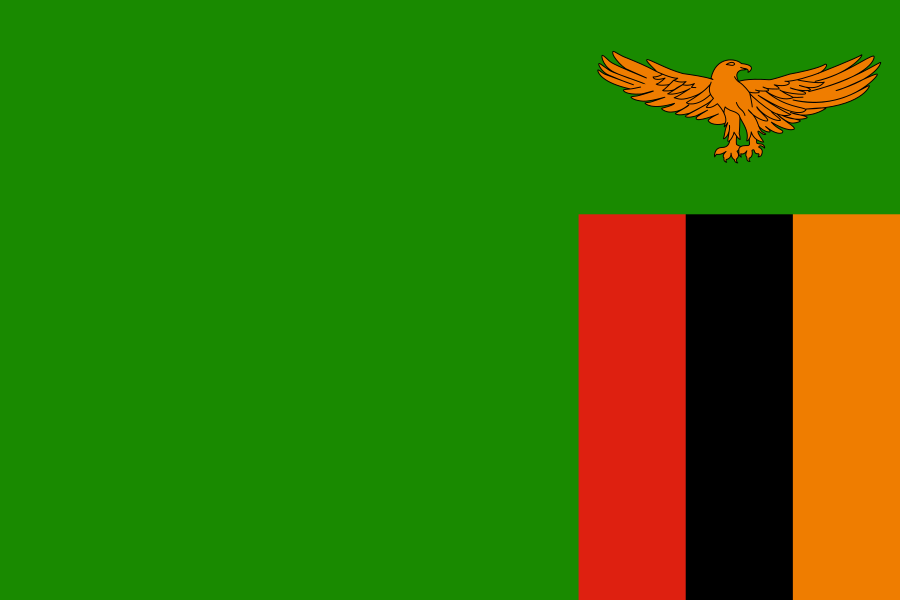
Zambia
Africa · Lusaka · ZM
Zambia is the landlocked heart of southern Africa, the country of the copper, the great rivers and the walking safaris of its valleys, and the home of one of the natural wonders of the world, the Victoria Falls, the mile-wide curtain of the Zambezi that the locals call the smoke that thunders. The national parks of the country, the South Luangwa with its extraordinary walking safaris and the Lower Zambezi with its river-based wildlife, hold some of the most authentic and uncrowded game viewing of the continent, while the other great rivers of the country, the Kafue and the Luangwa, spread the hippos, the crocodiles and the fish of the waterways. The capital of Lusaka is a friendly, manageable city, and the country as a whole is stable, peaceful and famously warm to the visitor. Wild, vast and wonderfully quiet, Zambia is the safari country that the crowds have not yet found.
Overview
Zambia is a country in Africa. Its capital is Lusaka and the international dialling code is +260. Languages commonly used in everyday life here include English. Local currency is the Zambian Kwacha (ZMW). We also list 1 city in Zambia: Lusaka.
The Falls of the Victoria and the Smoke of the Thundering Water
The falls of the Victoria, on the border where the Zambezi river drops into the narrow gorge of the basalt, are the most massive curtain of falling water in the world, a kilometre-wide wall of the spray that the local people named the smoke that thunders. The Zambian side of the falls, the park and the paths of the northern bank, gives the classic view across the great arc of the water and the rising rainbows of the gorge, and the rim walks of the high-water season soak the visitor in the spray of the falls. The activities of the area, the flights over the gorge, the whitewater of the rapids and the famous swimming of the pool above the falls in the dry season, complete the experience. The falls are the great natural theatre of the country and one of the wonders of the world.
The Luangwa and the Walking Safaris of the Valley
The South Luangwa, in the eastern valley of the country, is the classic home of the walking safari, the style that the park famously pioneered, and the armed guides of the region lead the small groups through the bush on foot among the elephants, the lions, the hippos and the leopards of the valley. The feel of the park is the original Africa of the safari novels, and its meandering river and the lagoons of the valley hold the greatest densities of the hippos and the elephants of the region, while the night drives of the park reveal the leopards, the genets and the owls of the darkness. The camps of the park, the open and exclusive lodges of the banks, are among the finest of the continent, and the whole valley is a wild, elegant, genuinely expert place to see the great game of Africa.
The Lower Zambezi and the Boats of the Great River
The Lower Zambezi, the wild river park across the water from the enormous flagship reserve of the neighbour, offers the classic river safari of southern Africa, and its banks hold the great elephants, the buffalo, the hippos and the crocodiles within the sight of the canoes and the boats of the camp. The fishing of the river, the famous tiger fish of the Zambezi, and the canoe trips that drift the quiet channels of the banks give the park its particular adventure, and the game viewing of the river, the great herds that come down to drink in the late afternoons, is a front-row spectacle of the wild. The lodges of the park, set on the high banks with the views over the water, run the full gamut of the safari style, from the traditional tents to the luxurious villas. The park is intimate, generous and seriously wild.
The Kafue, the Plains and the Wild of the Centre
The Kafue, the enormous and the least visited of the great parks of the country, spreads its vast floodplains and its woodlands around the great river of its name, and its game, from the lions and the buffalo to the enormous herds of the red lechwe of the plains, holds in numbers that the famous parks have lost to the crowds. The extensive wetlands of the park fill with the birds of the season, and the bush camps of the north and the game drives of the plains give the traveller the sense of a safari unspoiled by the traffic of the south. The philosophy of the Kafue is wild, exclusive and expensive, and its emptiness is its greatest asset. For the experienced safari traveller, the park is the secret of the country, the great quiet wilderness of the centre of Zambia.
The Capital, the Markets and the Copper of the Everyday
The capital of Lusaka, the friendly, manageable city at the centre of the country, is the transport hub and the modern heart of Zambia, and its markets, its museums and its relaxed, green life give the visitor the everyday face of the country. The markets of the capital, the great trade centres of the city and the stalls of the local food and the crafts, are the great sensory introduction, and the national museum of the city tells the story of the country, its copper, its cultures and its long history. The copper belt to the north, the industrial heart of the national economy, holds the mines and the towns of the region that built the modern country. The whole nation is welcoming, safe and easy, and the everyday warmth of the Zambian welcome is part of the reason the visitors return.
Compare hotels, cover your trip and stay connected.
- Capital
- Lusaka
- Currency
- Zambian Kwacha (ZMW)
- Languages
- English
- Calling code
- +260
- Internet TLD
- zm
Entry requirements
Check who can enter →See which passports travel visa-free or need a visa to enter Zambia.
Which nationalities can enter Zambia?
Current visa status for tourism for the origins we cover, with links to the detailed requirements.










Cities (1)
All cities →Frequently asked questions
Do I need a visa to visit Zambia?
For the origins we track, travellers from Morocco currently enter Zambia visa-free for tourism. Entry rules depend on your passport and the purpose of your trip, so check the current requirements for your own nationality with our entry requirements tool.
What is the capital of Zambia?
Lusaka is the capital of Zambia, and the country sits in Africa.
What currency is used in Zambia?
You pay with Zambian Kwacha (ZMW) in Zambia. Exchange rates move day to day, so check the current rate before you change money or use your card abroad.
Which languages do people speak in Zambia?
The languages we list for Zambia are English. A couple of greetings in the local language go a long way when you travel, even in cities where another language is widely used.
What is the international dialling code for Zambia?
The dialling code for Zambia is +260 — keep the plus sign when you save the number.
Which cities in Zambia do you cover?
Our guide lists 1 city for Zambia: Lusaka (capital).