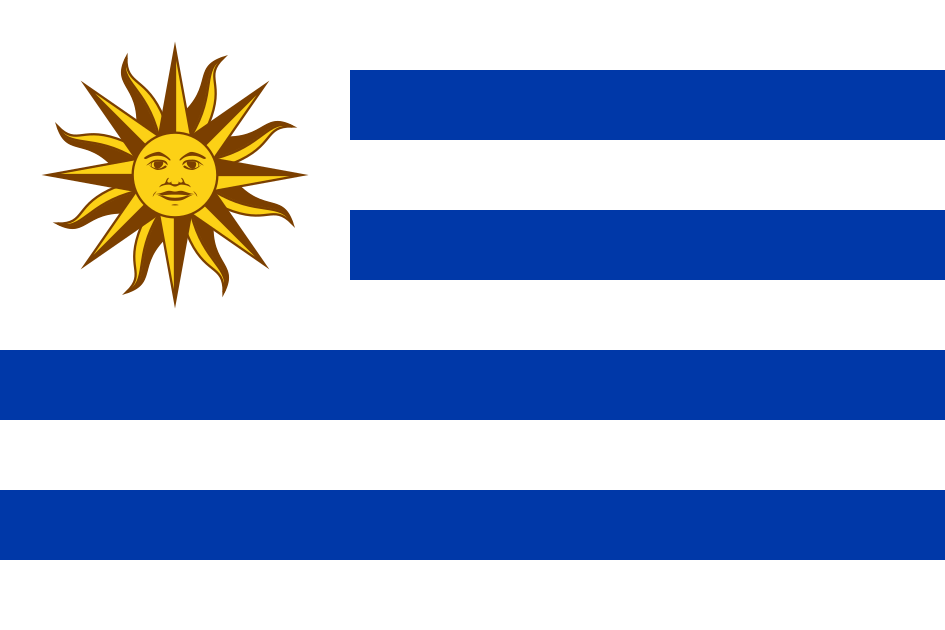
Uruguay
South America · Montevideo · UY
Uruguay is the small, peaceful, thoroughly civilised country of the southern cone, the republican wedge between the giant neighbours on the River Plate whose quiet, productive life, its beef, its dairy, its wine and its gentle, European-pitched culture, has made it one of the most liveable nations of South America. Montevideo, the capital, runs its long promenade of the rambla along the estuary shore, and the old town of Colonia del Sacramento, across the water, crouches among the cobbled seventeenth-century lanes of its colonial founding. The coast of the country spreads the summer beaches of the Atlantic, from the glossy resort of Punta del Este to the quiet fishing towns of the east, and the interior rolls the green pampas, the ranchlands and the wineries of a country that produces almost everything it needs. Safe, calm and fond of its rituals, Uruguay is the southern life at its best.
Overview
Uruguay is a country in South America. Its capital is Montevideo and the international dialling code is +598. Languages commonly used in everyday life here include Spanish. Local currency is the Uruguayan Peso (UYU). Our guide covers 1 airport, including Carrasco International Airport. We also list 1 city in Uruguay: Montevideo.
The Capital of Montevideo and the Rambla of the Estuary
The capital of Montevideo sits on the great estuary of the River Plate, and its most defining feature is the rambla, the long waterfront avenue that wraps the whole curve of the bay and the coast of the city for more than twenty kilometres, its promenades, its beaches and its squares running to the very edge of the city. The old town of the capital, the clusters of the colonial and the republican-era buildings around the cathedral and the government square, holds the history and the culture of the country, and the markets of the city, the great food market with its grills and its restaurants, fill the weekends with the smoke of the asado. The city is laid back, safe and deeply urbane, and the quality of its everyday life, its cafes, its libraries and its bookstalls, is the heart of the country's reputation.
The Old Town of the Colonia and the Cobbles of the Colonial Era
Across the estuary from the capital, the old town of Colonia del Sacramento, a short ferry from the western neighbour and a short drive from Montevideo, is the most charming colonial settlement of the region, a world heritage of the cobbled lanes, the old buildings and the rambling Portuguese and Spanish layers of its founding. The houses of the town, the single-storey whitewashed and pastel homes of the seventeenth and eighteenth centuries, line the stone streets that run down to the old lighthouse and the riverfront, and the vines and the flowers of the courtyards soften the whole picture. The town is small enough to wander entirely on foot, and its quiet, sunny, riverside charm, with the ruins of the old convents and the walls of the fortifications, makes it the most relaxing excursion of the whole region.
The Beaches of the East and the Resorts of the Coast
The Atlantic coast of the country, the long line of the beaches that runs south of the estuary toward the border of the neighbour, is the summer heart of Uruguay, and the resort of Punta del Este, on its peninsula between the sea and the sound, is the glossy, fashionable summer capital of the southern season. The beaches of the resort, the long ocean beach of the Brava and the calm bay beach of the Mansa, frame the town of the towers and the mansions, and the casinos, the marinas and the art of the nearby streets hold the evenings of the summer. North of the resort, the quieter beaches of the coast, the fishing villages of the east and the dunes of the wild with their sea lions, hold the more bohemian side of the coast. The beaches are everyone's favourite month of the year.
The Beef, the Vineyards and the Farms of the Pampas
The interior of Uruguay, the green pampas that roll between the rivers and the coasts, is one of the world's great cattle lands, and the beef of the country, grass-fed and famously flavoursome, is the foundation of the whole national table. The asado, the fire-grilled beef of the weekends, is the great ritual of the country, and the steakhouses of the cities and the estancias of the countryside serve the cuts of meat that the whole world covets. The vineyards of the country, especially the tannat of the south, have made Uruguay a serious wine country, and the dairies of the interior produce the cheeses and the dulce de leche of the national dessert. The countryside, the ranchlands and the quiet farming towns, holds the peaceful, productive heart of the country.
The Mate, the Football and the Quiet Life of the Capital
The everyday of Uruguay is built around the mate, the bitter herbal infusion of the yerba mate that the uruguayans drink all day long from the shared gourd, and the habit is so universal that the parks, the buses and the offices of the whole country are perfumed with its steam. Football, the great national passion, fills the stadiums and the bars of the weekend, and the pride of the country's beautiful game, the first champion of the world, is part of the daily conversation. The quiet civility of the country, the calm streets, the neighbourly suburbs and the low crime of the cities, make Uruguay one of the most restful countries of the continent, and the life of the capital, easy, cultured and unhurried, is the purest expression of it.
Compare hotels, cover your trip and stay connected.
- Capital
- Montevideo
- Currency
- Uruguayan Peso (UYU)
- Languages
- Spanish
- Calling code
- +598
- Internet TLD
- uy
Entry requirements
Check who can enter →See which passports travel visa-free or need a visa to enter Uruguay.
Airports (1)
All airports →Cities (1)
All cities →Frequently asked questions
What is the capital of Uruguay?
Montevideo is the capital of Uruguay, and the country sits in South America.
What currency is used in Uruguay?
You pay with Uruguayan Peso (UYU) in Uruguay. Exchange rates move day to day, so check the current rate before you change money or use your card abroad.
Which languages do people speak in Uruguay?
The languages we list for Uruguay are Spanish. A couple of greetings in the local language go a long way when you travel, even in cities where another language is widely used.
What is the international dialling code for Uruguay?
The dialling code for Uruguay is +598 — keep the plus sign when you save the number.
Which airports serve Uruguay?
Carrasco International Airport (MVD) in Montevideo is the airport we cover for Uruguay.
Which cities in Uruguay do you cover?
Our guide lists 1 city for Uruguay: Montevideo (capital).