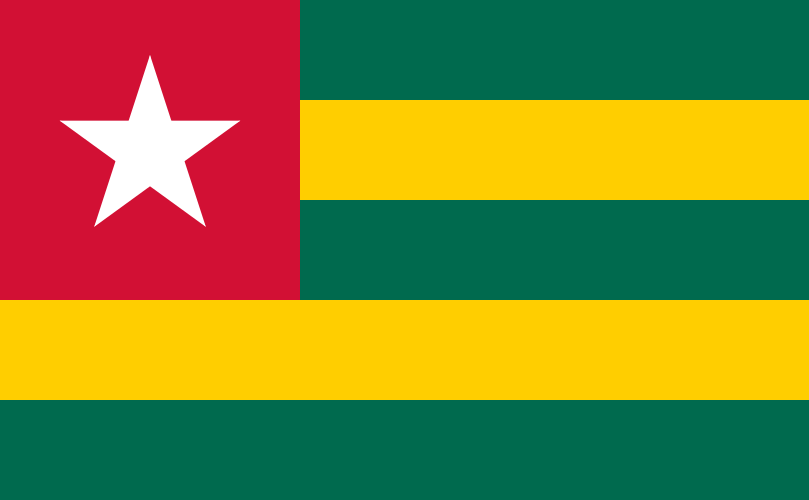
Togo
Africa · Lomé · TG
Togo is the narrow West African country of the coast of the Gulf of Guinea, a long sliver of land that stretches from the lagoon-lined capital of the Lomé on the Atlantic through the fertile valleys, the hills of the south and the vast savannas of the north. It is one of the most densely travelled cross-country routes of the region, and its length carries the extraordinary diversity of the cultures of the west, from the voodoo traditions and the wood-carvers of the south to the fortified clay houses of the Tamberma people of the far north. The country is friendly, small and easy to explore, with the beautiful beaches of the coast, the market cities of the interior and the forest reserves and the mountain viewpoints of the highland region. Green, musical and deeply spiritual, Togo is the accessible heart of the African crossroads of the coast.
Overview
Togo is a country in Africa. Its capital is Lomé and the international dialling code is +228. Languages commonly used in everyday life here include French. Local currency is the West African CFA franc (XOF). We also list 1 city in Togo: Lomé.
The Capital of the Lomé and the Boulevard of the Sea
The capital of the Lomé, the sprawling coastal city of the south-west of the country that spreads along the long sandy boulevard of the beach, is the economic and the political heart of Togo and one of the liveliest commercial capitals of the coast of West Africa. The markets of the city, led by the extraordinary fetish market of the interior with its stalls of the traditional medicines and the spiritual goods of the voodoo world, and the great market of the Grand with its textiles of the African wax, carry the daily commerce of the capital. The cathedral and the monuments of the centre, the beaches of the fishermen with their painted pirogues and the nightlife of the city, from the live music to the dance bars of the region, give the Lomé its warm, bustling and deeply musical character.
The Religions of the Coast and the Voodoo of the South
The south of the country, the homeland of the Ewe and the Mina peoples of the coast, is the centre of the religious life of vodun, the celebrated spiritual tradition whose temples, shrines and rituals of the ancestors and the spirits run deep in the culture of the land. The fetish villages of the coast, the sacred groves and the monasteries of the python cult of the region, with their ceremonies, their drums and their possession dances, give the living heart of the voodoo world of West Africa. The Catholic and the Muslim communities of the south, sharing the churches, the mosques and the festivals of their own faiths, complete the picture of this plural, deeply spiritual region, and the famous culture of the vodun of the country, celebrated in the annual festival of the national religion, draws the faithful and the curious of the whole world.
The Hills of the Palime and the Falls of the Country
The highland region of the south-west of the country, the green mountains of the plateau of the west that rise between the coast and the border of the neighbouring nation, is the cool, fertile heartland of Togo, the country of the coffee, the cocoa and the forest reserves of the high country. The town of the Palime, the market and missionary centre of the region, gates the trails of the local mountains, with their waterfalls, their viewpoints and their botanical gardens of the forest. The waterfall of the Wome, the enchanting staircase of the pools that pours through the forest near the village of the same name, and the crater lakes of the region, together with the treks and the coffee farms of the hillsides, complete the gentle, green, refreshingly cool world of the Togolese highlands.
The Koutammakou and the Painted Houses of the Tamberma
The far north of the country, the region of the Koutammakou that ascends toward the great savannas of the Sahel, is the extraordinary living landscape of the Tamberma people, celebrated around the world for the clay fortress-houses of the tata of their villages. The tata, the two-storey towers of the earth and the thatch that the families of the region have built for centuries, cluster in the fortified compounds of the cliffs and the fields, a striking architecture that won the whole cultural landscape its place on the world heritage list of the planet. The living traditions of the Tamberma, with their ceremonies, their granaries and their deep sense of the family and the ancestors, together with the honey-coloured mud villages of the escarpment, give the visitor one of the most fascinating and the most photographed cultural worlds of the whole of West Africa.
The Savannas of the North and the Parks of the West
The northern savanna of the country, the great expanse of the grasslands, the baobabs and the valleys that spread from the southern mountains to the borders of the neighbouring states, is the wild heart of the faunal world of Togo. The national parks and the reserves of the north, from the large protected area of the Oti valley with its elephants and its antelopes to the smaller reserves of the region, shelter the remaining wildlife of the Togolese savanna, and the pirogue excursions and the game drives of the parks, with their birds and their hippos of the rivers, open the natural world of the dry country. The great fortified village of the north, with its weekly markets of the cattle and the pottery, and the traditional chiefs and the dances of the northern peoples complete the picture of the vast, sunburnt, deeply majestic Togolese north.
Compare hotels, cover your trip and stay connected.
- Capital
- Lomé
- Currency
- West African CFA franc (XOF)
- Languages
- French
- Calling code
- +228
- Internet TLD
- tg
Entry requirements
Check who can enter →See which passports travel visa-free or need a visa to enter Togo.
Cities (1)
All cities →Frequently asked questions
What is the capital of Togo?
Lomé is the capital of Togo, and the country sits in Africa.
What currency is used in Togo?
You pay with West African CFA franc (XOF) in Togo. Exchange rates move day to day, so check the current rate before you change money or use your card abroad.
Which languages do people speak in Togo?
The languages we list for Togo are French. A couple of greetings in the local language go a long way when you travel, even in cities where another language is widely used.
What is the international dialling code for Togo?
The dialling code for Togo is +228 — keep the plus sign when you save the number.
Which cities in Togo do you cover?
Our guide lists 1 city for Togo: Lomé (capital).