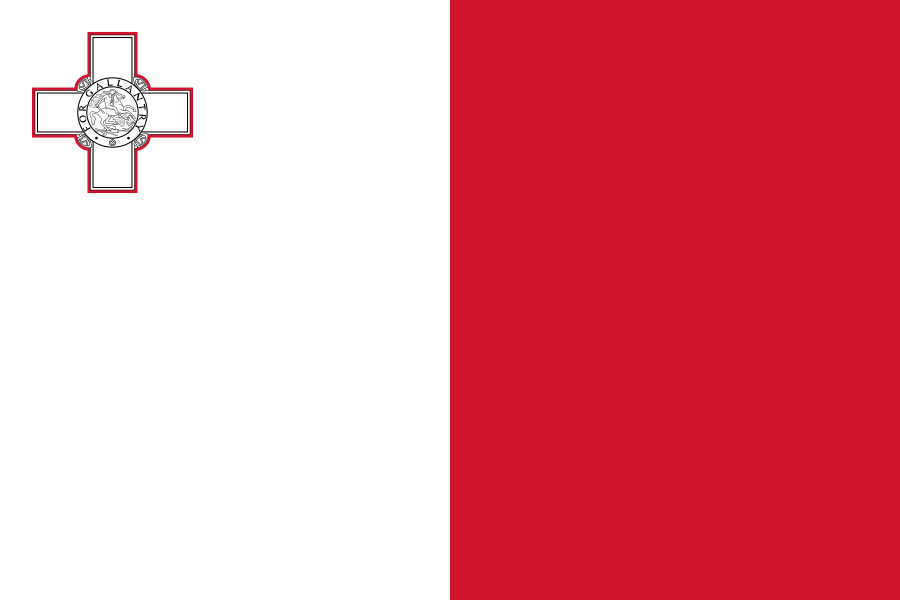
Malta
Europe · Valletta · MT
Malta is a small Mediterranean nation of three islands, honey-coloured stone and an unusually long history pressed into a tiny space. The capital Valletta rises on a fortified peninsula above the Grand Harbour, built by the knights of an old religious order whose palaces, fortifications and cathedrals still mark the city. Beneath the surface the island hides a succession of older chapters: megalithic temples older than the Egyptian pyramids, Roman villas, silent medieval towns and the deep-sided coves of the three cities across the harbour. The climate is hot and dry, the sea is clear and warm, and the beaches of the north and the rocky coves of the south spread the beach life along a small coastline. Nearby Comino and Gozo add quieter islands and the famous Blue Lagoon. Dense, dramatic and remarkably well preserved, Malta packs its centuries and its beaches into a small, walkable whole.
Overview
Malta is a country in Europe. Its capital is Valletta and the international dialling code is +356. Languages commonly used in everyday life here include Maltese and English. Local currency is the Euro (EUR). We also list 1 city in Malta: Valletta.
Getting around Malta
Malta is tiny (about 316 km²) and the main island of 246 km² — the capital Valletta, the historic Three Cities, and the old harbours are all within minutes of each other. Buses run on a flat-fare, tap-on network across the islands; the ferry to the sister island of Gozo departs from Ċirkewwa. Car rental is possible but driving is on the left, roads are narrow, and parking in Valletta is very limited — many visitors prefer the bus or walking.
A day trip to Gozo (Via From the ferry) and the tiny island of Comino with its famous Blue Lagoon are musts; if you hire a car for that, check the return-ferry times carefully.
When to visit Malta
April, May and October offer the best balance: sunny, very warm, and less crowded than summer. July and August are the height of the season — very hot (often 30–35°C), full buses, and the best sea conditions for swimming. The sea around the islands is warm well into October.
Winter is mild and quiet, with fewer ferries and some outdoor venues closing; it is a good-value time to explore Valletta's museums and churches. The festas — fiestas in villages held year-round on parish-dedication days — are a beloved local tradition.
Eating and drinking
Maltese food reflects Mediterranean history: fresh fish, rabbit (stuffat tal-fenek), pastizzi (flaky pastries filled with ricotta or peas), bragioli (stuffed beef olives), and sweet, soft puddings. The coffee culture is lively, and the island also produces its own wines (from Gellewza and other local grapes).
English menus are everywhere, and the local "Kinnie" (citrus and aromatic-herb soft drink) is a refreshing non-alcoholic classic. Tipping 5–10% is appreciated at restaurants.
Money and local customs
Malta uses the euro. Cards are accepted in hotels and larger shops, and cash is common in smaller bars and village feasts. An ATM is easy to find in towns.
Maltese and English are both official, so getting around is easy. The people are warm and family-centred; a "bonswa" or "bonġu" greeting is appreciated. Keep your passport accessible, as accommodation registers guests at check-in.
Compare hotels, cover your trip and stay connected.
- Capital
- Valletta
- Currency
- Euro (EUR)
- Languages
- Maltese, English
- Calling code
- +356
- Internet TLD
- mt
Entry requirements
Check who can enter →See which passports travel visa-free or need a visa to enter Malta.
Which nationalities can enter Malta?
Current visa status for tourism for the origins we cover, with links to the detailed requirements.



Cities (1)
All cities →Frequently asked questions
Do I need a visa to visit Malta?
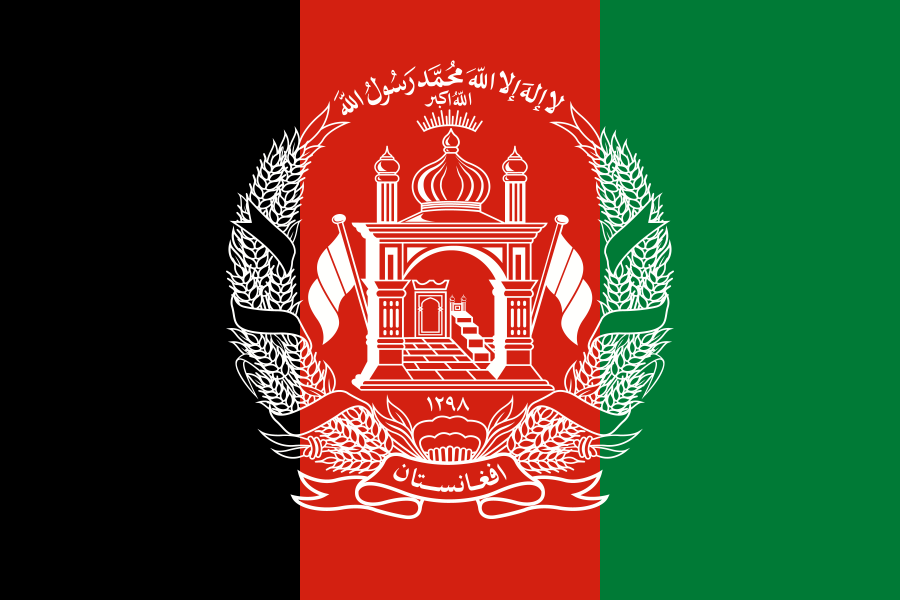
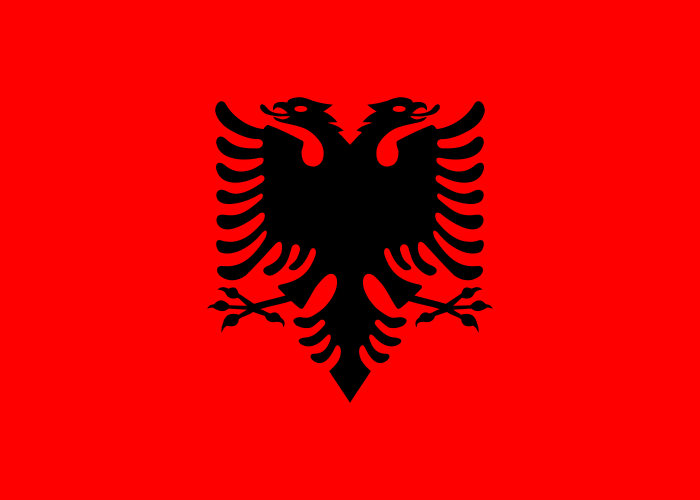
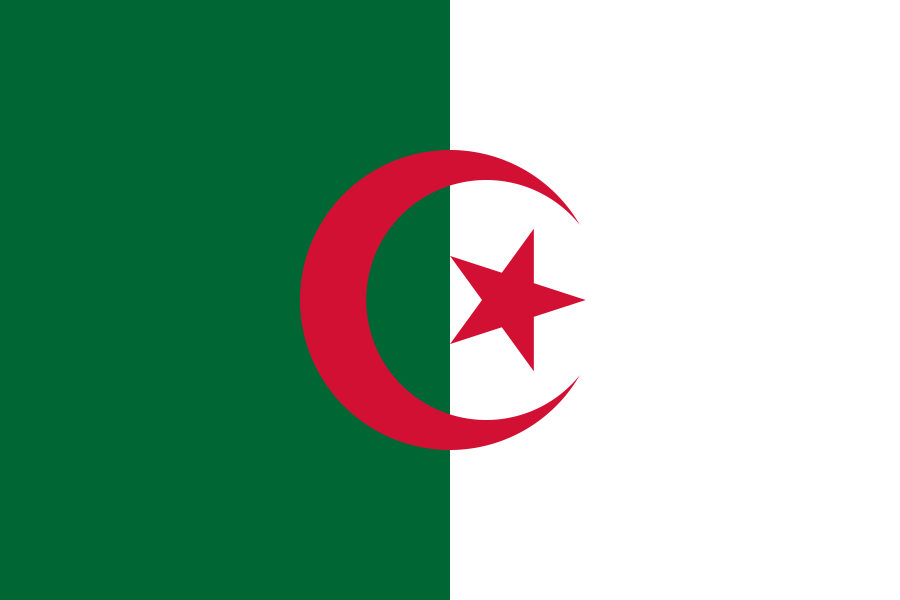
For the origins we track, travellers from Albania, Andorra, Antigua and Barbuda, Argentina and Australia currently enter Malta visa-free for tourism. Entry rules depend on your passport and the purpose of your trip, so check the current requirements for your own nationality with our entry requirements tool.
What is the capital of Malta?
Valletta is the capital of Malta, and the country sits in Europe.
What currency is used in Malta?
You pay with Euro (EUR) in Malta. Exchange rates move day to day, so check the current rate before you change money or use your card abroad.
Which languages do people speak in Malta?
The languages we list for Malta are Maltese and English. A couple of greetings in the local language go a long way when you travel, even in cities where another language is widely used.
What is the international dialling code for Malta?
The dialling code for Malta is +356 — keep the plus sign when you save the number.
Which cities in Malta do you cover?
Our guide lists 1 city for Malta: Valletta (capital).