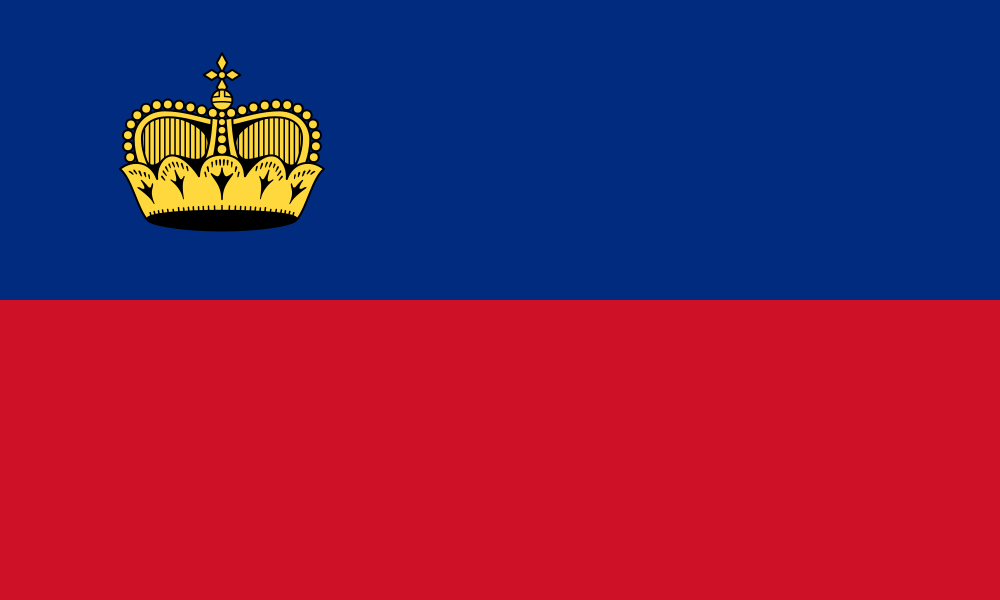
Liechtenstein
Europe · Vaduz · LI
Liechtenstein is the tiny principality of the upper Rhine between Switzerland and Austria, a wealthy Alpine microstate of the vineyards, the castles and the dramatic mountain faces of the last kilometres of the Alps. The capital of the Vaduz, the smallest capital in Europe by its population, holds the princely castle on its rock, the museum of the national treasures and the small streets of the modern town, while the valley spreads the villages, the vineyards and the tree-lined cycle routes of the Rhine plain. Above the valley the mountains rise to the ski slopes and the trails of the Malbun, and the cultural life of the country, the philharmonic, the galleries and the museums, is astonishingly rich for a state of forty thousand people. Safe, pretty, orderly and entirely pleasant, Liechtenstein is the gentlest small-country day trip of the Alps.
Overview
Liechtenstein is a country in Europe. Its capital is Vaduz and the international dialling code is +423. Languages commonly used in everyday life here include German. Local currency is the Swiss Franc (CHF). We also list 1 city in Liechtenstein: Vaduz.
Getting around Liechtenstein
Liechtenstein is tiny (about 25 km long), and you can see its capital Vaduz and the mountain villages on foot or by bicycle in a day or two. The municipal bus network (LIEMOBIL) runs frequent, punctual green buses along the main valley, connecting Vaduz, Schaan and Balzers with nearby Swiss and Austrian stations.
The nearest major airport is Zürich in Switzerland, about 90 minutes away by car or train+bus. Driving is on the right (as in Switzerland and Austria), the country has no motorway of its own, and trains stop at adjacent stations in Switzerland and Austria — the SBB and ÖBB networks are easy to use with national tickets.
When to visit Liechtenstein
May to October is the most comfortable season: valley temperatures are mild and the hiking trails into the Alps are open, with plenty of viewpoints over the Rhine valley. Winter offers alpine skiing and tobogganing in the mountains near Malbun, a small village at about 1600 m.
Liechtenstein is a good stop between Switzerland and Austria, and visiting Malbun in summer or winter plus the capital's Modern Art museum makes for a compact itinerary. Weather changes quickly in the Alps, so check the mountain forecast before walking high routes.
Eating and drinking
Liechtenstein cuisine is Alpine and shared with its neighbours: cheese and potato dishes, "Käsknöpfle" (cheese spaetzle with fried onions), Riebel (corn-and-flour porridge dish), and good mountain dairy. Restaurants reflect Swiss-German and Austrian kitchen style.
Vaduz has a small but polished dining scene, and the traditional mountain inns in Malbun serve hearty winter foods. Wine is a local point of pride — vineyards grow along the Rhine side. A 5–10% tip (in cash) is customary and service charge is usually included in the billed amount.
Money and local customs
Liechtenstein uses the Swiss franc (CHF), though rougher smaller towns also accept euros in practice — but change is given in francs, so don't rely on it. Cards are widely accepted.
German is the official language; greetings in the dialect "Grüezi" (or "Hallo") are polite. Locals are friendly and punctual, and the country is very safe. Note that Liechtenstein is a separate customs area from the EU — goods control exists, but the actual border post with Switzerland is small and normally open. Keep your passport handy, as it may be checked at the border gates.
Compare hotels, cover your trip and stay connected.
- Capital
- Vaduz
- Currency
- Swiss Franc (CHF)
- Languages
- German
- Calling code
- +423
- Internet TLD
- li
Entry requirements
Check who can enter →See which passports travel visa-free or need a visa to enter Liechtenstein.
Which nationalities can enter Liechtenstein?
Current visa status for tourism for the origins we cover, with links to the detailed requirements.



Cities (1)
All cities →Frequently asked questions
Do I need a visa to visit Liechtenstein?
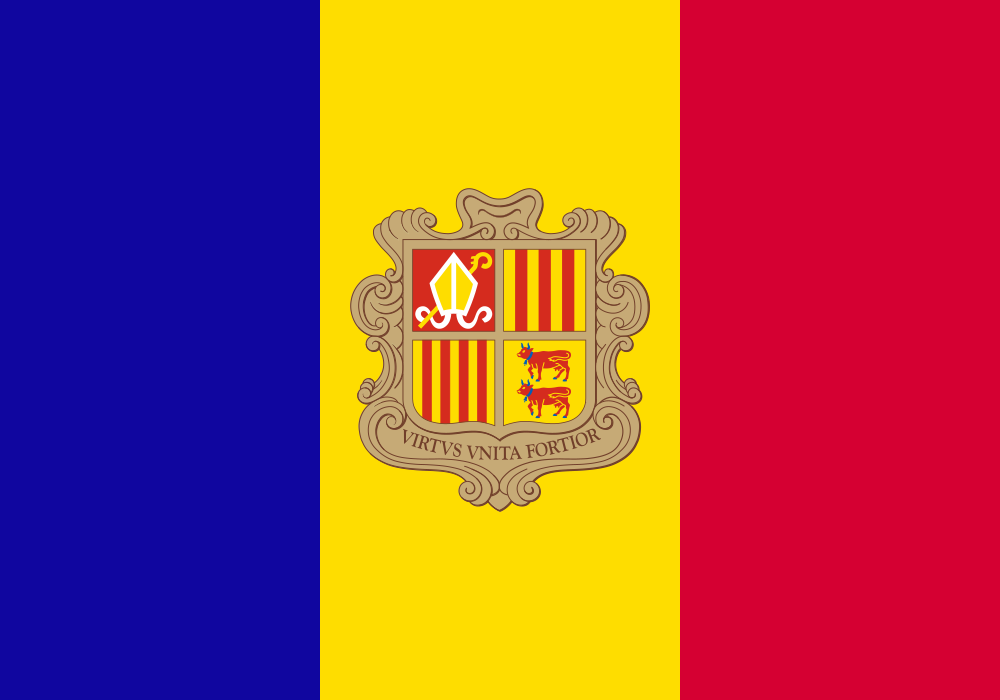
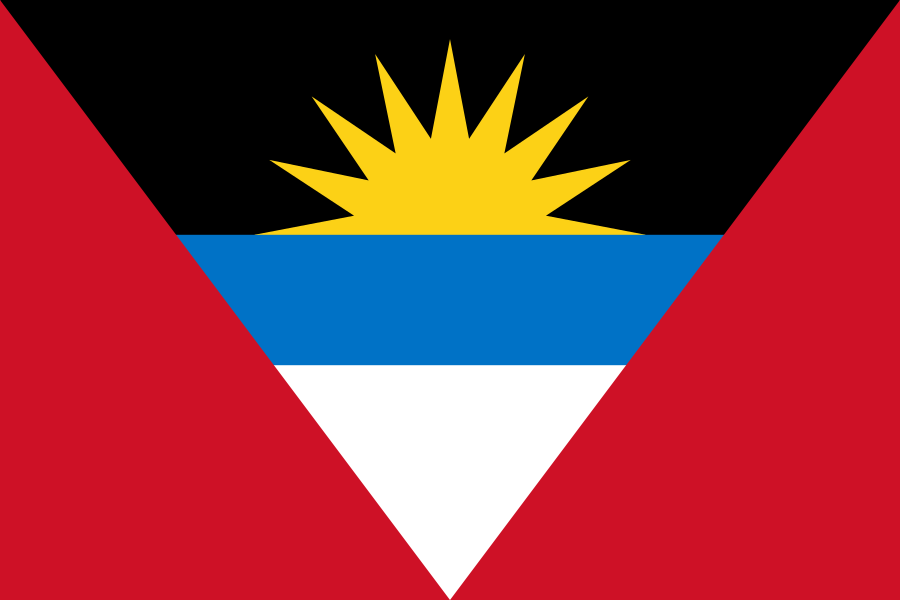
For the origins we track, travellers from Albania, Andorra, Antigua and Barbuda, Argentina and Australia currently enter Liechtenstein visa-free for tourism. Entry rules depend on your passport and the purpose of your trip, so check the current requirements for your own nationality with our entry requirements tool.
What is the capital of Liechtenstein?
Vaduz is the capital of Liechtenstein, and the country sits in Europe.
What currency is used in Liechtenstein?
You pay with Swiss Franc (CHF) in Liechtenstein. Exchange rates move day to day, so check the current rate before you change money or use your card abroad.
Which languages do people speak in Liechtenstein?
The languages we list for Liechtenstein are German. A couple of greetings in the local language go a long way when you travel, even in cities where another language is widely used.
What is the international dialling code for Liechtenstein?
The dialling code for Liechtenstein is +423 — keep the plus sign when you save the number.
Which cities in Liechtenstein do you cover?
Our guide lists 1 city for Liechtenstein: Vaduz (capital).