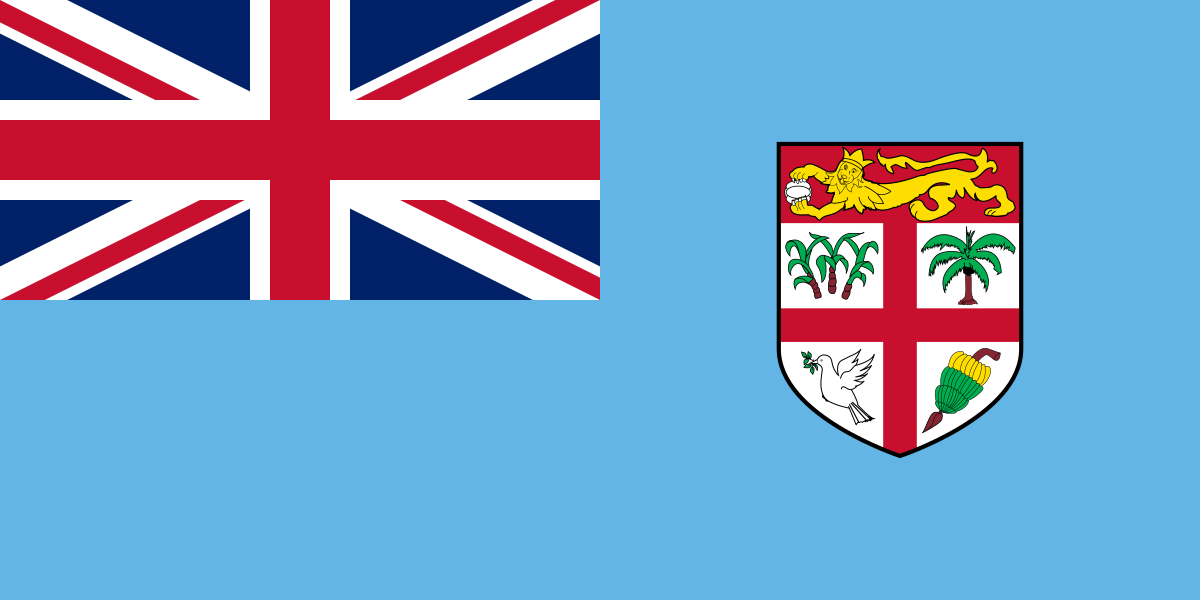
Fiji
Oceania · Suva · FJ
Fiji is a South Pacific nation of more than three hundred islands that spread across the blue sea between Melanesia and Polynesia, most of them ringed by coral reefs and covered in tropical forest. The main islands of Viti Levu and Vanua Levu carry the capital, the resorts and the great majority of the people, while the outer islands hold the classic picture-postcard life of clear lagoons, sandy beaches and villages of reed-and-boards houses. The Mamanuca and Yasawa groups, a short flight or cruise from the capital, string the most photographed beaches and the friendliest village life in the country. Below the waves, the reefs drop into walls, caves and channels that rank the diving among the best in the Pacific. Fijian culture is warm and communal, and the welcome is built on ceremony, song and the sharing of the islands' good food.
Overview
Fiji is a country in Oceania. Its capital is Suva and the international dialling code is +679. Languages commonly used in everyday life here include English and Fijian. Local currency is the Fijian Dollar (FJD). Our guide covers 1 airport, including Nadi International Airport. We also list 2 cities in Fiji: Suva and Nadi.
The Coral Gardens of the Mamanuca and the Sandbar Beaches
The Mamanuca islands rise a short sea journey from the mainland, a chain of small volcanic islands wrapped in lagoons and fringed by white sand. The water here is shallow, warm and astonishingly clear, and the coral gardens close to the resorts hold gardens of table and branching coral alive with damselfish, anemones and the occasional turtle. Sandbars appear between the islands at low tide, spits of bright sand where boats drop anchor and the swimmers wade into water that never reaches the shoulders. The islands carry a mix of family resorts, surf breaks and beach activities, and the daily schedules run on sunshine, tides and the relaxed island timetable that politely ignores urgency. A day cruise threading the bays gives the full picture, from the green peaks behind the beaches to the empty anchorages that never seem to burn out.
The Yasawa Passage and the Reef Walls Dropping to Blue
The Yasawa chain, a long arc of islands to the north, holds some of the most dramatic reef diving in Fiji. Its narrow passes cut between the islands, and the currents that funnel through the channels bring the big fish of the open sea into the shallows. The dive walls, cut with overhangs, caves and soft corals, drop from sunlit plateaus into deep blue shelves that host bannerfish, reef sharks and clouds of silvered baitfish. The famous sites, from the shark feeds of the protected reserves to the cave dives of the north, keep a schedule run by the island operators with real respect for the current. Above water, the back-to-basic islands of the Yasawas hold some of the country's most beautiful beaches and its gentlest villages. The whole group stays a step behind the main islands in pace, and that is the point.
Kava Ceremony Ties and the Sulu Wrapped Around the Shoulder
Fijian hospitality runs through the kava ceremony, the ritual sharing of a drink made from the ground roots of the pepper plant, served in a half coconut shell from a large wooden bowl. Guests sit cross-legged on the matting floor in a circle, dressed in the traditional sulu, and the village leaders speak, applaud and pass the bowl around until the custom is complete. The drink tastes of earthy, gently numbing water, and the ceremony builds a genuine bond between visitors and villages. The welcomes often continue with the singing of the famous Fijian hymns and the feast of fish, taro and the island's curries that follows on the mats. The whole experience, the sulu, the bowl and the song, is a living tradition rather than a staged show, and the warmth of the villages stays the strongest memory for many travellers.
Nadi's Temple Gardens and the Sunday Service Song
Nadi, on the west side of the main island, is the gateway to most of Fiji, and its streets hold the markets, temples and colourful life that greet visitors on arrival. The Sri Siva Subramaniya temple, the largest Hindu temple in the southern hemisphere, paints its tower and garden statues in the bright colours of the South Indian tradition, and the surrounding streets mix Fijian and Indo-Fijian shops, spice stalls and curry houses. The town's markets sell the tropical abundance of the island, from young coconuts to the woven floor mats that line the stalls. On Sunday the churches of the town fill with the whole community, and the singing that spills from the open doors is a genuinely moving strand of Fijian life. Nadi works best as a base and a first taste, with the reef, the mountains and the beaches all close at hand.
The Islands' Coconut Bush and the Rum Sugar of the Cane Fields
The rural Fijian economy still runs on the green gold of the coconut palm and the sweep of the cane fields that climb the valleys of the main islands. The coconut groves supply the kitchens, the crafts and the building materials of the villages, and the palms line every beach and ferry pier. The cane fields, cut by hand through the dry months and hauled on the island railway to the old sugar mills, give the undulating landscape of the Viti Levu valleys its distinctive striped pattern. The distillery at Lautoka turns the molasses of those fields into the golden rum that pairs so naturally with the island fruit juice. The villages along the cane roads hold the churches, the shops and the schoolyards that mark daily life, and the whole agricultural rhythm of the country is a long way from the white sands of the resorts.
Compare hotels, cover your trip and stay connected.
- Capital
- Suva
- Currency
- Fijian Dollar (FJD)
- Languages
- English, Fijian
- Calling code
- +679
- Internet TLD
- fj
Entry requirements
Check who can enter →See which passports travel visa-free or need a visa to enter Fiji.
Which nationalities can enter Fiji?
Current visa status for tourism for the origins we cover, with links to the detailed requirements.










Airports (1)
All airports →Cities (2)
All cities →Frequently asked questions
Do I need a visa to visit Fiji?
For the origins we track, Fiji requires a visa for tourism (Australia: visa on arrival, Canada: visa on arrival, France: visa on arrival, Germany: visa on arrival and India: visa on arrival). Entry rules depend on your passport, so confirm the current requirements for your own nationality with our entry requirements tool.
What is the capital of Fiji?
Suva is the capital of Fiji, and the country sits in Oceania.
What currency is used in Fiji?
You pay with Fijian Dollar (FJD) in Fiji. Exchange rates move day to day, so check the current rate before you change money or use your card abroad.
Which languages do people speak in Fiji?
The languages we list for Fiji are English and Fijian. A couple of greetings in the local language go a long way when you travel, even in cities where another language is widely used.
What is the international dialling code for Fiji?
The dialling code for Fiji is +679 — keep the plus sign when you save the number.
Which airports serve Fiji?
Nadi International Airport (NAN) in Nadi is the airport we cover for Fiji.
Which cities in Fiji do you cover?
Our guide lists 2 cities for Fiji: Suva (capital) and Nadi.