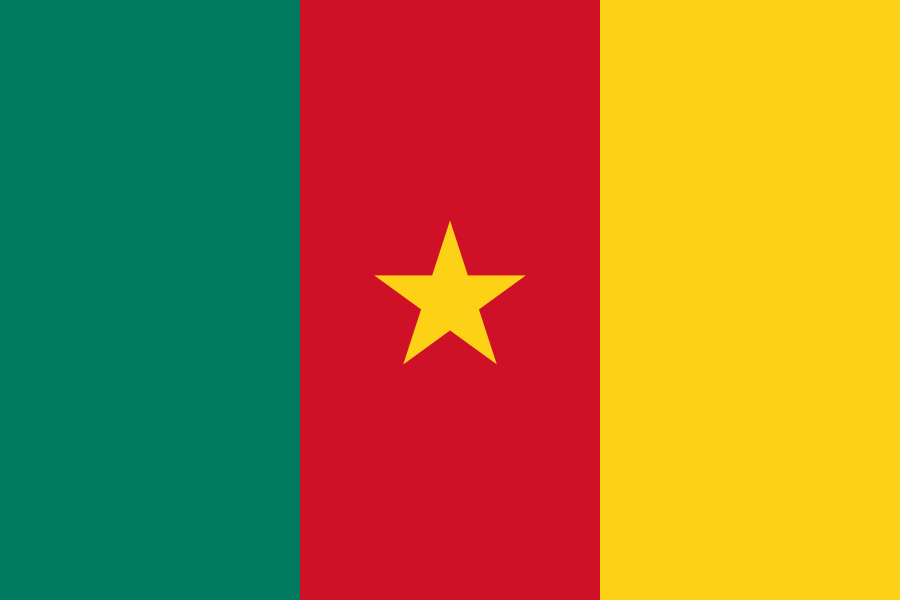
Cameroon
Africa · Yaoundé · CM
Cameroon is the country that the mapmakers of the past called Africa in miniature, a single nation that packs the beaches of the gulf, the rainforest of the centre, the volcanic mountains of the west and the dry savannah of the north into a dramatic, varied and deeply beautiful whole. The mountain of the Cameroon, the active volcano that dominates the western coast, is one of the great peaks of the continent, and the national parks of the country, the Waza of the north with its elephants and its giraffes and the Dja of the rainforest with its protected wildlife of the world heritage, spread the wild richness of the region. Douala, the economic capital, and Yaounde, the political capital, run the modern life of the country, and the culture of Cameroon, its music, its football and its famed cuisine, is among the most confident of Africa. Complex, energetic and very welcoming, Cameroon is a whole continent inside a single country.
Overview
Cameroon is a country in Africa. Its capital is Yaoundé and the international dialling code is +237. Languages commonly used in everyday life here include French and English. Local currency is the Central African CFA franc (XAF). We also list 1 city in Cameroon: Yaoundé.
The Mountain of the Cameroon and the Ascent of the West
The mountain of the Cameroon, the great volcano that rises directly from the Atlantic coast of the west of the country, is among the highest peaks of the region of the gulf and one of the great climbing objectives of the continent, and the trails of the mountain run through the montane forests, the grasslands and the lava fields of the upper slopes. The views from the summit, over the coast, the lowlands and the rainforest of the whole region, are among the finest of the entire continent. The mountain has erupted in living memory, and the lava fields of the lower slopes and the crater lakes of the region, with the mystery of their histories, give the volcano its dramatic, dangerous beauty. The climb is the classic adventure of the Cameroonian highlands and a rite of passage of the region.
The Waza and the Lions and the Giraffes of the Sahel
The far north of the country, the dry Sahel of the border with the desert neighbours, holds the national park of the Waza, the great and the most famous of the Cameroonian reserves, where the elephants wade through the seasonal wetlands and the lions and the giraffes roam the open savannah of the region. The park's populations of the elephants, the largest of the country, and the herds of the antelope and the buffalo of the dry lands concentrate around the waterholes and the seasonal pools of the park, and the bird life of the wetland margins is extraordinary. The traditional villages of the northern peoples, with their colourful festivals and their horse cultures, run the culture of the Sahel, and the blend of the park and the northern life gives the far north of the country its particular character. The Waza is the quintessential frontier of the north.
The Dja and the Reserve of the World Heritage Forest
The reserve of the Dja, in the rainforest of the south-east of the country, is one of the largest and the best protected of the African forest reserves, a world heritage of the pristine tropical forest that the river of its name encircles almost completely. The forest of the reserve holds the populations of the forest elephants, the western lowland gorillas and the chimpanzees of the region, and the bongo antelopes and the pangolins of the undergrowth keep the forest's rich, hidden life. The indigenous forest peoples of the region, the Baka, the famous hunter-gatherers of the rainforest, live along the boundaries of the reserve, and their traditional life, their music and their deep knowledge of the forest draw the interested visitor of the region. The reserve is the green heart of the country, difficult of access and deeply rewarding for the patient traveller.
The Beaches and the Towns of the Gulf of Guinea
The coast of the country, the shore of the gulf that runs from the eastern neighbour to the border of the north-west, holds the beaches, the ports and the resort towns of the Cameroonian seaboard. The town of the Limbe, at the foot of the mountain of the Cameroon, spreads its dark volcanic beaches and its botanical gardens, and the smaller coastal towns, the fishing villages and the beach resorts of the region, give the gulf its warm, humid, unhurried rhythm. The great port of Douala, the economic capital of the country, runs the commerce and the industry of the region from its place at the edge of the lagoons, and its nightlife and its markets hold the modern energy of the nation. The coast is the gateway, the working shore and the warm, easy face of the country.
The Music, the Football and the Cuisine of the Country
The culture of Cameroon is one of the most confident of the whole continent, and the music of the country, the makossa and the bikutsi that the world has danced to for decades, pours from the bars and the dance floors of the cities. Football is the great passion of the country, and the national team, the famous indomitable lions, is among the most decorated of Africa, celebrated wherever the game is played. The cuisine of Cameroon is bold, spicy and proudly local, built on the plantain, the cassava, the groundnut and the grilled fish and meat of the region, and the restaurants of the country serve the dishes of the whole region in their fullest, richest form. The welcome of the country is warm and loud, and the culture of Cameroon, its music, its food and its sport, is a large part of its enormous appeal.
Compare hotels, cover your trip and stay connected.
- Capital
- Yaoundé
- Currency
- Central African CFA franc (XAF)
- Languages
- French, English
- Calling code
- +237
- Internet TLD
- cm
Entry requirements
Check who can enter →See which passports travel visa-free or need a visa to enter Cameroon.
Which nationalities can enter Cameroon?
Current visa status for tourism for the origins we cover, with links to the detailed requirements.
Cities (1)
All cities →Frequently asked questions
Do I need a visa to visit Cameroon?
For the origins we track, Cameroon requires a visa for tourism (Morocco: e-visa). Entry rules depend on your passport, so confirm the current requirements for your own nationality with our entry requirements tool.
What is the capital of Cameroon?
Yaoundé is the capital of Cameroon, and the country sits in Africa.
What currency is used in Cameroon?
You pay with Central African CFA franc (XAF) in Cameroon. Exchange rates move day to day, so check the current rate before you change money or use your card abroad.
Which languages do people speak in Cameroon?
The languages we list for Cameroon are French and English. A couple of greetings in the local language go a long way when you travel, even in cities where another language is widely used.
What is the international dialling code for Cameroon?
The dialling code for Cameroon is +237 — keep the plus sign when you save the number.
Which cities in Cameroon do you cover?
Our guide lists 1 city for Cameroon: Yaoundé (capital).