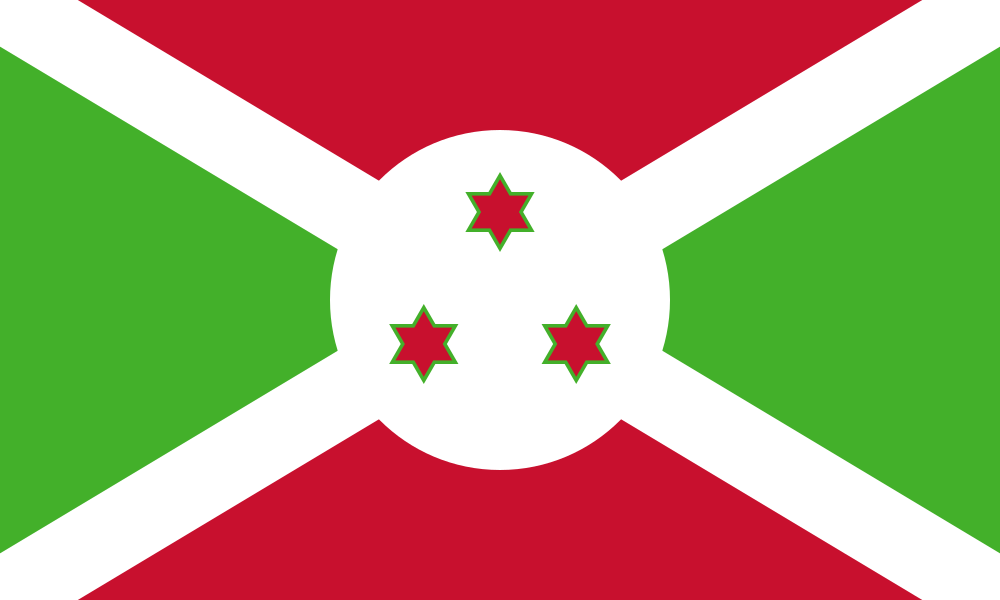
Burundi
Africa · Gitega · BI
Burundi is the small, mountainous republic of the heart of the African Great Lakes, a green and densely populated country of the hills of the East African highlands that rises from the sandy shores of the great lake of the Tanganyika. The country, which shares the history of the long-standing kingdom of the Burundi with its rich court culture of the drummers, the dancers and the bards, holds the royal capital of the Gitega, the lakeside city of the Bujumbura and the deep interior of the terraced hills and the coffee fields. The famous drummers of the country, the ceremonial players of the sacred drums of the palace, are the living symbol of the national identity, and the rainforest of the Kibira on the heights of the western mountains shelters the chimpanzees and the great birds of the region. Green, musical and devoutly proud of its heritage, Burundi is the undiscovered highland heart of the lakes of the continent.
Overview
Burundi is a country in Africa. Its capital is Gitega and the international dialling code is +257. Languages commonly used in everyday life here include Kirundi and French. Local currency is the Burundian Franc (BIF). We also list 1 city in Burundi: Gitega.
The Capital of the Gitega and the Drummers of the Palace
The capital of the Gitega, the political and historic heart of the country since the days of the royal court, sits on the green highlands of the centre of the republic, with the drum sanctuaries, the palace of the old kingdom and the national museum. The city is the home of the most famous drummers of the region, the ensemble of the royal drums of the Gishora whose sacred instruments, the enormous drums of the carved wood and the hides, are played in the spectacular ceremonial performances of the festivals. The museum of the city, the rich collection of the regalia, the musical instruments and the objects of the everyday life of the kingdom, preserves the culture of the court and of the people, and the views over the green hills of the capital set the tranquil scene of the high seat of the nation.
The Lake of the Tanganyika and the Beaches of the North Shore
The great lake of the Tanganyika, the vast and ancient water that forms the long western boundary of the country, is the deep heart of the geography of the region, one of the largest and the oldest lakes of the planet. The shores of the lake, from the city of the Bujumbura and its northern beaches to the fishing villages of the south, hold the warm heart of the national recreation, with the swimming, the sailing and the sunset cruises of the calm water. The fishing of the lake, the millions who make their lives from the catches of the dagaa and the perch, and the night boats with their lamps on the dark water, give the great lake its essential rhythm, and the evolutionary wonders of its deep waters give the scientists their treasure.
The Hills of the Countryside and the Coffee of the Highlands
The countryside of the country, the densely farmed hills of the interior that the population has carved into the interlocking terraces of the beans, the bananas and the coffee, is the deep agricultural heart of the national life and one of the most humanised landscapes of the whole of Africa. The coffee of the highlands, the arabica of the green hills of the Karyenda region and the many departures of the century of cultivation, is the great export crop of the country, and the hill stations and the cooperative visits of the washing and the drying of the berries give the visitor the living story of the bean. The markets of the hillsides, the walking treks that thread the terraces between the villages and the round houses of the countryside complete the picture of the working heart of the country of the thousand hills.
The Royal Court Culture and the Dances of the Land
The culture of the royal court of the old kingdom of the Burundi, the rich ceremonial life of the drummers, the praise-singers, the dancers and the guardians of the palace, is the proud living heritage of the nation, preserved through the turmoil of the modern century. The ceremonies of the country, the great festivals and the funerals with their traditions of the singing, the dancing and the oral poetry, still honour the royal past, and the sacred drums of the Gishora remain the most powerful symbols of the national identity. The dancers of the country, the graceful performers of the court tradition and the stick-wielders of the martial dance, take the stage at the celebrations and the cultural festivals of the nation.
The Primates of the Kibira and the Rainforest of the Mountains
The national park of the Kibira, the long crown of the rainforest that rides the crest of the western mountains of the country, protects the wild highland world of the nation, the deep forests where the great rains feed the sources of the rivers. The rainforest of the park, remote and rarely visited, shelters the population of the chimpanzees, together with the monkeys, the birds and the flowers of the high mountain world, and the treks with the trackers give the visitor the rare experience of the wild inside the densely settled hills. The tea estates that climb the colder flanks of the mountains and the viewpoints of the escarpment above the lake complete the picture of the western highlands of the country.
Compare hotels, cover your trip and stay connected.
- Capital
- Gitega
- Currency
- Burundian Franc (BIF)
- Languages
- Kirundi, French
- Calling code
- +257
- Internet TLD
- bi
Entry requirements
Check who can enter →See which passports travel visa-free or need a visa to enter Burundi.
Which nationalities can enter Burundi?
Current visa status for tourism for the origins we cover, with links to the detailed requirements.









Cities (1)
All cities →Frequently asked questions
Do I need a visa to visit Burundi?
For the origins we track, Burundi requires a visa for tourism (Australia: e-visa, Canada: e-visa, France: e-visa, Germany: e-visa and India: e-visa). Entry rules depend on your passport, so confirm the current requirements for your own nationality with our entry requirements tool.
What is the capital of Burundi?
Gitega is the capital of Burundi, and the country sits in Africa.
What currency is used in Burundi?
You pay with Burundian Franc (BIF) in Burundi. Exchange rates move day to day, so check the current rate before you change money or use your card abroad.
Which languages do people speak in Burundi?
The languages we list for Burundi are Kirundi and French. A couple of greetings in the local language go a long way when you travel, even in cities where another language is widely used.
What is the international dialling code for Burundi?
The dialling code for Burundi is +257 — keep the plus sign when you save the number.
Which cities in Burundi do you cover?
Our guide lists 1 city for Burundi: Gitega (capital).