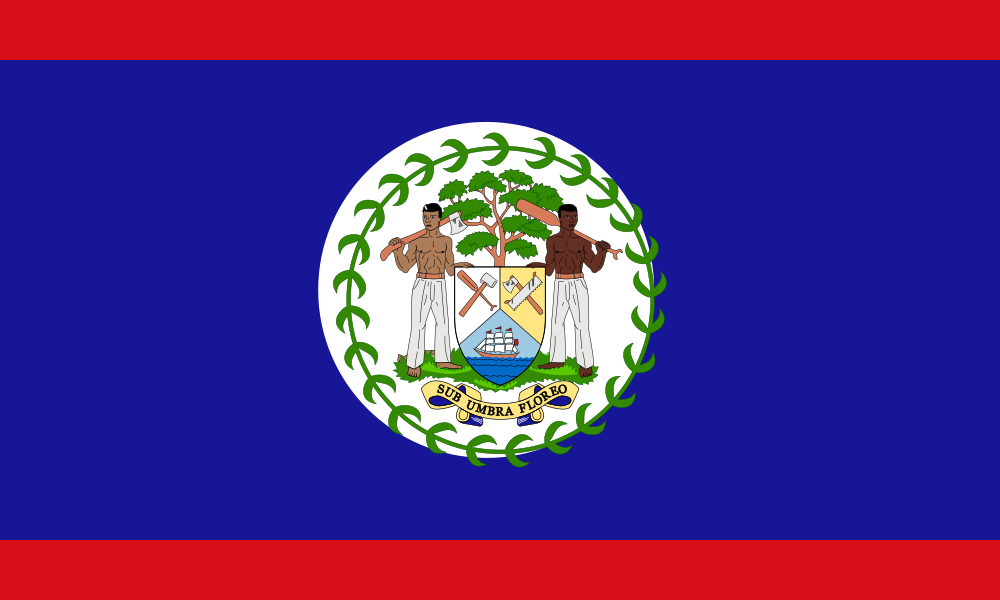
Belize
North America · Belmopan · BZ
Belize is the small Caribbean nation of the Central American mainland, an English-speaking country of the barrier reef, the mangrove islands and the deep green of the Maya mountains and the rainforests of the interior. The reef of the coast, the longest of the Americas, runs the idyllic islands of the Cayes and the famous diving of the Blue Hole, while the mainland holds the ruins of the great Maya cities, from the vast Caracol to the temples of the Altun Ha, and the rivers that the ancestral canoes once used to reach the sea. The jungles of the south and the west protect the jaguars, the monkeys and the extraordinary birds of the region, and the cultural life of the country, the mix of the Creole, the Maya, the Garifuna and the European, is among the warmest of the Caribbean. Small, easy and beautifully wild, Belize is the reef and the rainforest in the palm of the hand.
Overview
Belize is a country in North America. Its capital is Belmopan and the international dialling code is +501. Languages commonly used in everyday life here include English. Local currency is the Belize Dollar (BZD). We also list 1 city in Belize: Belmopan.
The Reef of the Barrier and the Islands of the Cayes
The barrier reef of the country, the great living wall that runs the whole length of the coast, is the largest of its kind in the Americas and the second largest in the world, and the islands of the Cayes, the sand keys and the mangrove cays that shelter behind it, hold the classic island life of the Caribbean. The town of the Caye Caulker and the slightly larger of the Ambergris Caye run the easygoing life of the sand streets, the seafood shacks and the dive shops of the coast, and the tours of the reef take the snorkellers and the divers to the coral gardens, the sharks of the channels and the enormous populations of the fish. The famous blue hole, the great submarine sinkhole of the reef, is the emblem of the diving of the region. The islands are laid-back, warm and effortlessly beautiful.
The Blue Hole and the Dives of the Great Wall
The great blue hole, the circular sinkhole that drops from the shallow bank of the reef to a depth of the hundreds of feet, is the most famous dive of the region and a natural wonder of the Caribbean, a perfect circle of the deep blue water ringed by the coral of the Lighthouse Reef. The dive of the hole descends the vertical walls of the cavern, past the giant stalactites of the drowned cave, and the divers of the advanced level float in the huge, cathedral-like chambers of the dark blue water with the reef sharks gliding through the visibility. The shallow rim of the hole and the neighbouring reefs of the Lighthouse reef hold the corals and the rich fish life for the snorkellers and the divers of every level. It is a genuine world-class site of the diving map.
The Temples of the Caracol and the Ruins of the South
The deep jungle of the south-western corner of the country guards the ruins of the Caracol, the enormous Maya city that was once the rival of the great powers of the region, its temples and its plazas spreading across the limestone hills of the Chiquibul forest. The great pyramid, the highest of the family of the Maya buildings, rises from the centre of the ruined city, and the excavations of the site have revealed the palaces, the ball courts, the causeways and the carved monuments of its long history. The site, reached by the rough forest road from the village of the San Ignacio, is best given a whole day, and the ruins of the Xunantunich and the Cahal Pech, closer to the settled west, give the easier introduction to the world of the classic Maya. The south is the wild, green heart of the country.
The Crocodiles of the Caye and the Birds of the Manatee
The coast of the country is the world of the mangroves and the sea grass, the feeding grounds of the manatees, the nesting grounds of the turtles and the hunting grounds of the crocodiles and the great numbers of the water birds. The manatees of the coast, the gentle mammals of the southern lagoons, are the emblem of the country's conservation, and the tours of the bay of the South Water look for the mothers and the calves of the warm, shallow water. The crocos of the coastal lagoons and the enormous variety of the herons, the pelicans and the storks of the mangroves fill the kayak trips of the morning light. The wetland life of the coast, protected in the reserves of the country, is among the richest of the Caribbean and the easiest to see in the mainland setting.
The Falls of the Belmopan and the Food of the Creole Table
The everyday face of the country is a warm Creole and Maya mixture, and the little capital of the Belmopan and the market towns of the west hold the ordinary life of the nation, the small restaurants, the buses and the open-air markets of the region. The national dish, the rice and beans with the stewed chicken of the Sundays, and the fry jacks of the shared breakfasts give the table of the country its friendly, filling heart, and the cacao and the coffee of the interior now show up in the cafes of the towns. The road of the Hummingbird, the green highway between the capital and the south, runs the limestone caves and the waterfalls of the interior, and the country's officially relaxed way of life, the famous slowness of the islands, is part of the charm of visiting.
Compare hotels, cover your trip and stay connected.
- Capital
- Belmopan
- Currency
- Belize Dollar (BZD)
- Languages
- English
- Calling code
- +501
- Internet TLD
- bz
Entry requirements
Check who can enter →See which passports travel visa-free or need a visa to enter Belize.
Which nationalities can enter Belize?
Current visa status for tourism for the origins we cover, with links to the detailed requirements.









Cities (1)
All cities →Frequently asked questions
Do I need a visa to visit Belize?
For the origins we track, travellers from Australia, Canada, France, Germany and Italy currently enter Belize visa-free for tourism, and 4 more origins are visa-free too. Entry rules depend on your passport and the purpose of your trip, so check the current requirements for your own nationality with our entry requirements tool.
What is the capital of Belize?
Belmopan is the capital of Belize, and the country sits in North America.
What currency is used in Belize?
You pay with Belize Dollar (BZD) in Belize. Exchange rates move day to day, so check the current rate before you change money or use your card abroad.
Which languages do people speak in Belize?
The languages we list for Belize are English. A couple of greetings in the local language go a long way when you travel, even in cities where another language is widely used.
What is the international dialling code for Belize?
The dialling code for Belize is +501 — keep the plus sign when you save the number.
Which cities in Belize do you cover?
Our guide lists 1 city for Belize: Belmopan (capital).