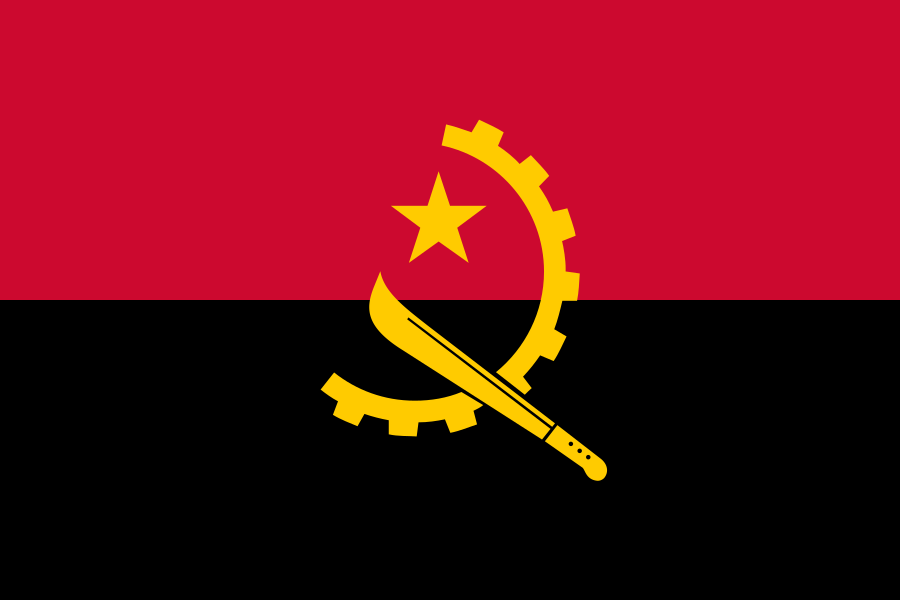
Angola
Africa · Luanda · AO
Angola is the large, oil-rich country of the south-west coast of Africa, a land still emerging from decades of conflict that pairs the skyscraper skyline of its capital with the wild landscapes of the interior. Luanda, the sprawling coastal capital, combines the fortress, the boulevards and the colonial facades of the old city with the towers and the busy traffic of the modern economy, while the coast to either side holds the quiet beaches, the forts and the rock paintings of the old kingdoms. The interior spreads the highlands of the planalto, the miombo woodlands and the great parks of the south with their elephants and their antelopes. The country is rebuilding quickly, prices are high and the pace can be slow, but the warmth of the welcome and the unspoiled scale of the landscapes reward the patient traveller enormously.
Overview
Angola is a country in Africa. Its capital is Luanda and the international dialling code is +244. Languages commonly used in everyday life here include Portuguese. Local currency is the Kwanza (AOA). We also list 1 city in Angola: Luanda.
The Bay of the Capital and the Fortress of the Luanda
The capital of the country, built on the natural harbour of the Angola coast, holds the old fortress of the Portuguese era above the bay and the boulevards and the buildings of the colonial century, while the modern city behind them spreads the towers, the malls and the enormous traffic of the fast-growing economy. The promenade of the bay, with the statues, the gardens and the bars of the waterfront, is the great public stage of the city, and the museums, from the military history of the fortress to the ethnographic collections of the national museum, tell the story of the nation. The markets of the city, the fish and the craft stalls of the districts, run the vivid everyday life, and the island of the coast with its restaurants and its beaches is the classic weekend escape of the capital.
The Falls of the Kalandula and the Highlands of the Planalto
The highlands of the interior of the country, the cool plateau that rises behind the coastal plain, hold some of the most spectacular waterfalls and the green farmlands of the region, and the falls of the Kalandula, among the largest in Africa, thunder over their wide cliff ring in the mist of the upper river. The countryside of the plateau, the coffee farms, the eucalyptus plantations and the villages of the Ovimbundu, unfolds in the rolling green of the high altitude, and the towns of the interior, from the Malanje with its museums and its black stones to the old fortress cities of the south, keep the quiet life of the region. The natural views, the waterfalls and the cool air make the highlands the classic escape from the heat of the coast.
The Parks of the South and the Wildlife of the Miombo
The national parks of the south of the country, the great reserves that the decades of isolation and the current recovery have slowly opened again, protect the elephants, the lions, the antelopes and the birdlife of the miombo woodlands and the floodplains of the interior. The park of the Bikuar, one of the oldest reserves of Africa, and the parks of the Cuando Cubango of the south-east, hold the large herds that are returning as the peace holds, and the park of the Kissama near the coast runs the successful elephant and the giraffe restorations of the recent years. The safaris of the parks, the river trips and the walking routes, are the great wildlife experience of the country, still off the crowded circuit and genuinely remote.
The Beaches and the Forts of the Atlantic Coast
The long coast of the country, from the surf beaches south of the capital to the southern province of the Namibe, holds some of the wildest and the least-known beaches of the African Atlantic. The fishing towns of the coast, from the bars and the restaurants of the Mussulo to the ports of the Lobito and the Benguela, live on the rich seas of the cold current, and the desert of the Namibe with its bizarre rock formations, its gorges and its colony of the desert elephants runs down to the sea at the edge of the country. The forts of the coast, the small Portuguese strongholds that guarded the slave and the ivory trade, dot the headlands between the towns. The coastal drive is the classic road journey of the country.
The Rock Art and the Ancient Kingdoms of the Interior
The rock art of the interior, the paintings and the engravings of the ancient peoples that the valleys of the rivers preserve on the cliffs and the boulders, reaches back thousands of years and is among the richest of the continent. The sites of the country, from the painted shelters of the north to the stone circles and the carvings of the south, record the hunts, the rituals and the animals of the deep past. The kingdoms of the region, from the Kongo of the north with its court cities and its conversion to the old faith to the Ovimbundu confederations of the plateau, built the political order that the Portuguese and the later era inherited, and the museums and the oral histories of the country keep the story alive.
Compare hotels, cover your trip and stay connected.
- Capital
- Luanda
- Currency
- Kwanza (AOA)
- Languages
- Portuguese
- Calling code
- +244
- Internet TLD
- ao
Entry requirements
Check who can enter →See which passports travel visa-free or need a visa to enter Angola.
Which nationalities can enter Angola?
Current visa status for tourism for the origins we cover, with links to the detailed requirements.









Cities (1)
All cities →Frequently asked questions
Do I need a visa to visit Angola?
For the origins we track, travellers from Morocco currently enter Angola visa-free for tourism. Entry rules depend on your passport and the purpose of your trip, so check the current requirements for your own nationality with our entry requirements tool.
What is the capital of Angola?
Luanda is the capital of Angola, and the country sits in Africa.
What currency is used in Angola?
You pay with Kwanza (AOA) in Angola. Exchange rates move day to day, so check the current rate before you change money or use your card abroad.
Which languages do people speak in Angola?
The languages we list for Angola are Portuguese. A couple of greetings in the local language go a long way when you travel, even in cities where another language is widely used.
What is the international dialling code for Angola?
The dialling code for Angola is +244 — keep the plus sign when you save the number.
Which cities in Angola do you cover?
Our guide lists 1 city for Angola: Luanda (capital).