ManilaCapital
Philippines · Country profile
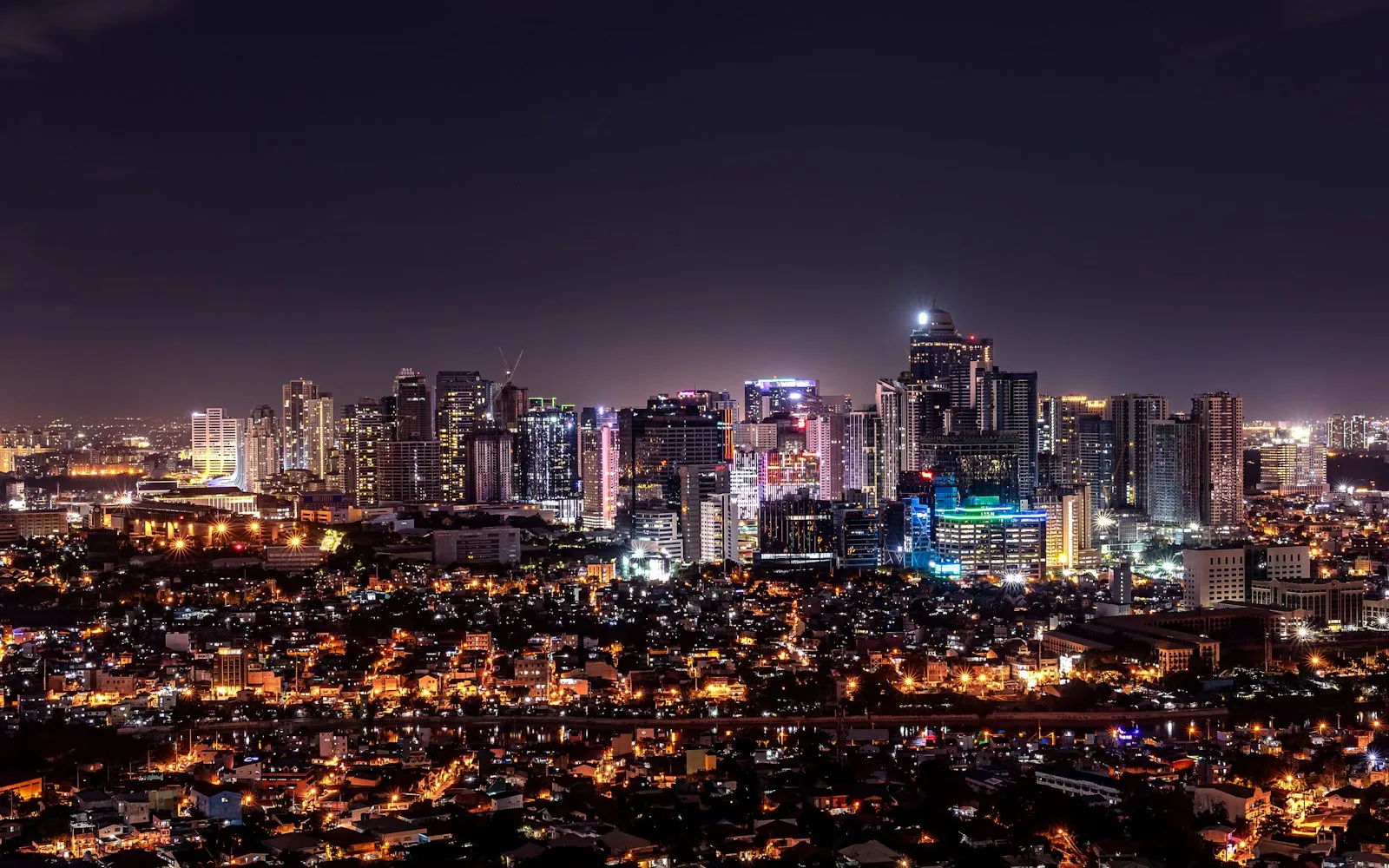
Manila is the capital of the Philippines, the huge, chaotic and endlessly energetic metropolis of the bay that has been the crossroads of the Asian world for five centuries, from the walled Spanish city through the American era to the enormous present. The old walled city of the Intramuros, with its fort, its plazas and its churches, holds the Spanish heart of the capital, while the enormous spread of the metro with its shopping malls, its skyscrapers, its traffic and its street life carries the modern Filipino energy. The city is a land of the contrast, of the enormous malls and the dense slums, the baroque churches and the glitzy casinos, and its people, famous for their warmth and their resilience, give the whole its irrepressible life. Manila is the gate of the islands and the true, intense capital of the Philippines.
About Manila
Manila is the capital of Philippines. The city's documented population is around 1,846,000 people. For visitors from abroad, the local currency is the Philippine Peso (PHP) and Filipino and English are spoken; the dialling code is +63. It is served by 1 airport in our guide: Ninoy Aquino International Airport.
The Walled City, the Bay and the Energy of the Capital
Manila is an intense, traffic-choked, endlessly energetic capital that can overwhelm and delight in the same day. The walled city of the Intramuros, with its colonial streets and its churches, is the great historic stop, and the enormous bay, the malls of the metropolis and the celebrated sunset walks over the water frame the rest. The city is the transport and the shopping hub of the islands, less a resort than a living, working, chaotic capital, and the famous Filipino hospitality cushions every encounter. It is the natural gate of the whole archipelago, and the islands, the beaches and the provinces of the region fan out from the enormous web of its airport and its ports.
The Dry Months, the Peso and the Traffic of the Metropolis
The best seasons are the dry months from December to May, with the typhoon season of the autumn and the monsoon rains a real consideration of the travel. The walled city, the churches, the museums and the bay are the essential circuit, and the day trips to the mountains and the lakes of the region fill out the stay. The Philippine peso is the currency, the Filipino and the English are both widely spoken and the cards work in the malls while the cash helps in the markets. The traffic is legendary, so plan the crossings of the city around it, and the city is safe in its tourist areas with the usual big-city care.
The Intramuros, the Sunsets and the Jeepneys of the Streets
The walled city of the Intramuros, with its fort of the Santiago, its cobbled lanes, its churches and its museums of the colonial era, is the essential historic walk of the capital and the best preserved Spanish quarter of the whole region. The bay of the city, with the famous promenade of the Roxas Boulevard and the equally famous sunsets over the water, is the great public stage, and the enormous malls of the metropolis, among the largest on earth, are the modern centres of the social life. The churches of the city, from the baroque masterpieces of the Spanish era to the enormous modern cathedrals, are the deep sights, and the night markets, the jeepney rides and the food of the capital, from the lechon to the halo-halo, complete the picture of the irrepressible city.
Report an error or suggest an update
- Country
- Philippines
- Population
- 1,846,000
- Coordinates
- 14.5086, 121.0198
- Capital
- Manila
- Region
- Asia
- Currency
- Philippine Peso (PHP)
- Languages
- Filipino, English
- Calling code
- +63
- Country code
- PH
Entry requirements for Philippines
Visa status for travellers from common origins visiting Philippines for tourism.







Getting to Manila
Airports we list for Manila:
Frequently asked questions
Is Manila the capital of Philippines?
Yes — Manila is the capital of Philippines.
What currency do I need in Manila?
The local currency is the Philippine Peso (PHP). Languages spoken in Philippines include Filipino and English.
What is the dialling code for Philippines?
The international dialling code for Philippines is +63.
Which airport should I fly into for Manila?
Ninoy Aquino International Airport (MNL) is the airport we list for Manila.
Do I need a visa to visit Philippines?
It depends on your passport. Among the origins we track, travellers from Australia, Canada, Japan, Morocco and New Zealand currently enter Philippines visa-free for tourism. Use the entry requirements tool to check your own nationality and purpose of travel.
Flying out of Manila? Check the entry requirements for your destination in our entry requirements tool before you fly.