CairoCapital
Egypt · Country profile
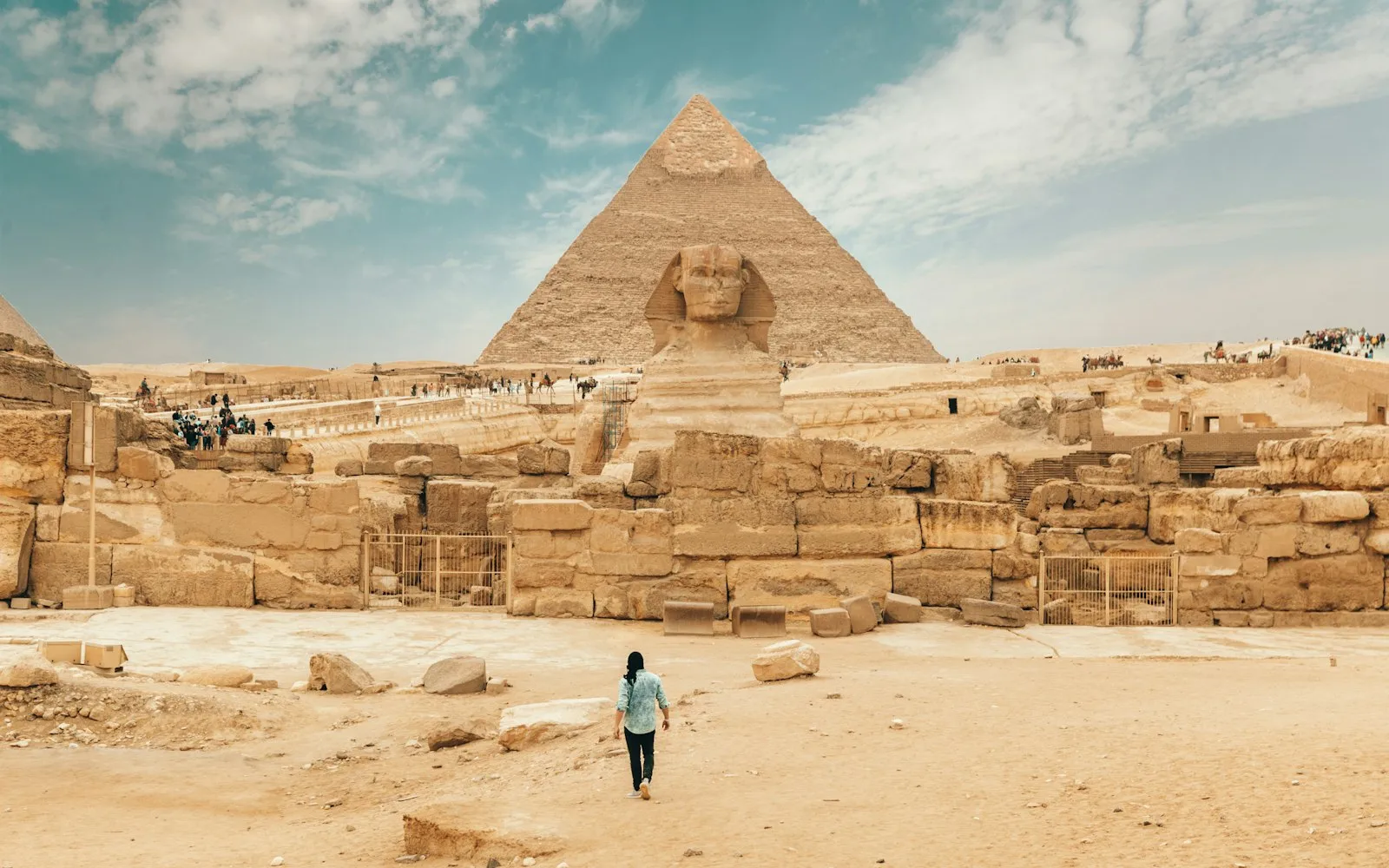
Cairo is Africa’s largest city and a sprawling, living museum on the Nile, where the pyramids of Giza and the Sphinx stand on its edge and thousand-year-old Islamic and Coptic quarters fill its centre. The Egyptian Museum and the new Grand Egyptian Museum guard treasures of the pharaohs, while the Khan el-Khalili bazaar and the cafés of downtown hum with everyday life. It’s intense, atmospheric and endlessly fascinating — a gateway to the pyramids, the Nile and Alexandria, and a culture all its own. Come for the monuments, stay for the energy, and give yourself time to absorb it.
About Cairo
Cairo is the capital of Egypt. The city's documented population is around 10,500,000 people. For visitors from abroad, the local currency is the Egyptian Pound (EGP) and Arabic is spoken; the dialling code is +20. It is served by 1 airport in our guide: Cairo International Airport.
Where Pharaohs Meet the Living Nile
Cairo is a vast, intense, living city on the Nile, and the monumental treasures — the Giza pyramids and the museums — sit alongside a teeming capital of markets, mosques and everyday street life. It is a place where modernity and ancient history exist in the same breath, and where the bazaar and the café are as much the experience as the archaeology. The sheer scale and noise take adjusting to, and air-conditioned gaps are part of the plan. It is also the gateway to the pyramids, Luxor and the Red Sea, so many visits begin or end in Cairo.
Beating the Heat and Timing the Grand Museum
The heat is the constant — plan outdoor sites like the pyramids for early morning and save midday for museums and covered markets. Dress modestly, especially at religious and historic sites. The Grand Egyptian Museum is the major draw for the pharaoh collections, and the famous Tutankhamun galleries have moved there — check its opening status before you plan. Domestic flights and a fast train connect Cairo to Luxor and elsewhere, so sort internal travel ahead. Bargaining is expected in the bazaars and souks, not in museums. Carry water and small bills.
Metro, Taxis and Baksheesh Across the City of Minarets
The metro is cheap and covers the core, but much of the city moves by taxi and ride apps, which are affordable if you agree on fares or use the apps. Traffic is extreme, so build buffer time around any appointment. The Khan el-Khalili bazaar and the old Fatimid quarter are atmospheric but expect to haggle and ignore persistent touts. Friday prayers and the start of the weekend can shift opening hours. Tipping is woven into the culture — small amounts for service are expected — so keep change ready. The pyramids sit an hour of traffic outside the centre, not in it.
Report an error or suggest an update
- Country
- Egypt
- Population
- 10,500,000
- Coordinates
- 30.1219, 31.4056
- Capital
- Cairo
- Region
- Africa
- Currency
- Egyptian Pound (EGP)
- Languages
- Arabic
- Calling code
- +20
- Country code
- EG
Entry requirements for Egypt
Visa status for travellers from common origins visiting Egypt for tourism.








Getting to Cairo
Airports we list for Cairo:
Frequently asked questions
Is Cairo the capital of Egypt?
Yes — Cairo is the capital of Egypt.
What currency do I need in Cairo?
The local currency is the Egyptian Pound (EGP). Languages spoken in Egypt include Arabic.
What is the dialling code for Egypt?
The international dialling code for Egypt is +20.
Which airport should I fly into for Cairo?
Cairo International Airport (CAI) is the airport we list for Cairo.
Do I need a visa to visit Egypt?
It depends on your passport. For the origins we track, the current tourism visa status is Australia (e-visa), Canada (e-visa), France (e-visa), Germany (e-visa) and India (e-visa). Check the entry requirements tool for your own nationality.
Flying out of Cairo? Check the entry requirements for your destination in our entry requirements tool before you fly.