AbujaCapital
Nigeria · Country profile
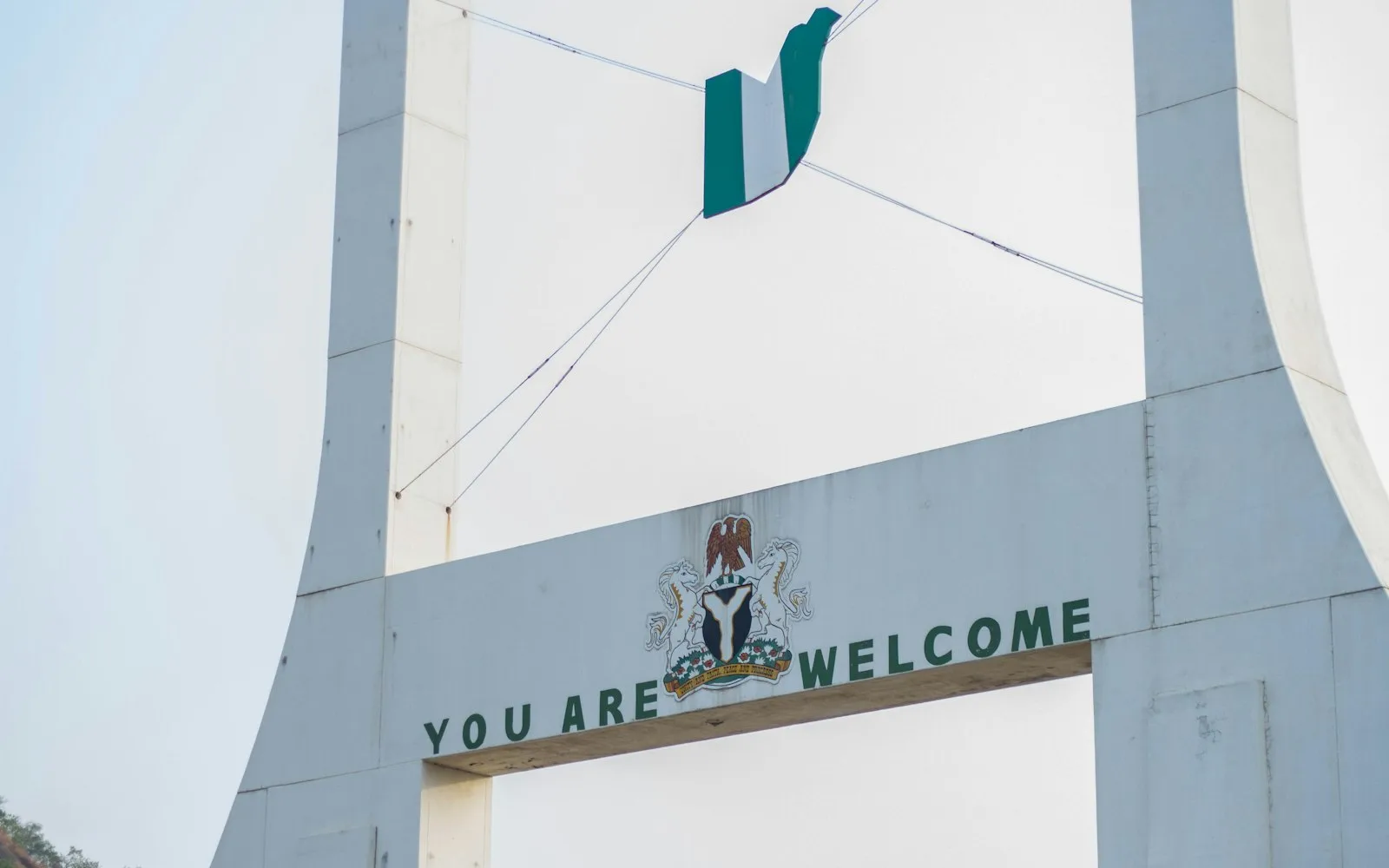
Abuja is the purpose-built capital of Nigeria, the planned, orderly city of the central plateau that the nation raised in the 1980s to replace the crowded coastal metropole, and that has grown into a gleaming green metropolis of the ministries, the embassies, the malls and the wide, tree-lined boulevards. The city spreads across the rolling hills of the territory with the great rock of the Aso, the monolith that gives its name to the seat of power, at its centre, and the districts of the capital, from the business and the government zones to the residential quarters of the diplomats, hold the calm, modern face of the country. The national mosque, the national church, the cultural centres and the art galleries of the city anchor the civic life, and the surrounding hills with their nightlife and their viewpoints frame the whole. Car-based, clean and comfortable, Abuja is the surprising, relaxed gateway of the world of the Nigerian elite.
About Abuja
Abuja is the capital of Nigeria. The city's documented population is around 1,733,000 people. For visitors from abroad, the local currency is the Nigerian Naira (NGN) and English is spoken; the dialling code is +234.
The Planned Green Capital of the Central Plateau
Abuja is the modern, orderly, car-based capital of the country, a planned city of wide boulevards, green spaces and gleaming new districts that feels a world apart from the historic chaos of the coastal metropole. The centre holds the ministries, the monuments, the malls and the cultural institutions, and the days move between the districts by car and the ride apps. The pace is calm, the air is cleaner and the city is comfortable and safe in its main areas. It is the base of the government, the diplomats and the rising middle class, and its galleries, its restaurants and its green hills give the visitor a distinctly unhurried, modern slice of the country.
The Naira, the English and the Climate of the Plateau
The climate of the plateau is hot and dry for much of the year, with the rainy season of the summer months and the harmattan winds of the winter bringing the dust of the north. The national mosque and the administrative quarters anchor the centre, and the malls, the galleries and the viewpoint hills fill the rest of the days. The naira is the currency, the English is the official language and the cards work in the modern areas while the cash helps at the markets. The city is safe in its main districts with the usual big-city care at night, and the taxis and the ride apps cover the wide spread easily.
The Aso Rock Skyline and the Rooftops of the Diplomatic City
The great rock of the Aso and the neighbouring hills frame the dramatic skyline of the capital, and the viewpoint of the mount and the parks of the vicinity give the classic panoramas over the whole city. The national mosque and the national church, the two great monuments of the capital, are the essential visits, and the cultural institutions of the city, from the gallery of the national arts to the cultural centre with its shows, anchor the civic life. The markets of the capital, from the craft and the fabric stalls to the food markets of the everyday, hold the local colour, and the nightlife of the city, the hotels, the clubs and the rooftops of the wealthy districts, runs the social life of the new capital.
Report an error or suggest an update
- Country
- Nigeria
- Population
- 1,733,000
- Coordinates
- 9.0643, 7.4893
- Capital
- Abuja
- Region
- Africa
- Currency
- Nigerian Naira (NGN)
- Languages
- English
- Calling code
- +234
- Country code
- NG
Entry requirements for Nigeria
Visa status for travellers from common origins visiting Nigeria for tourism.
Getting to Abuja
The nearest airports we list:
Cities in Nigeria
Other cities we cover in Nigeria:
Frequently asked questions
Is Abuja the capital of Nigeria?
Yes — Abuja is the capital of Nigeria.
What currency do I need in Abuja?
The local currency is the Nigerian Naira (NGN). Languages spoken in Nigeria include English.
What is the dialling code for Nigeria?
The international dialling code for Nigeria is +234.
Which airport is nearest to Abuja?
The nearest airport we list is Murtala Muhammed International Airport (LOS), about 536 km away.
How far is Abuja from the nearest airport?
Abuja is about 536 km from Murtala Muhammed International Airport.
Do I need a visa to visit Nigeria?
It depends on your passport. For the origins we track, the current tourism visa status is Morocco (visa required). Check the entry requirements tool for your own nationality.
Flying out of Abuja? Check the entry requirements for your destination in our entry requirements tool before you fly.